 Skip to content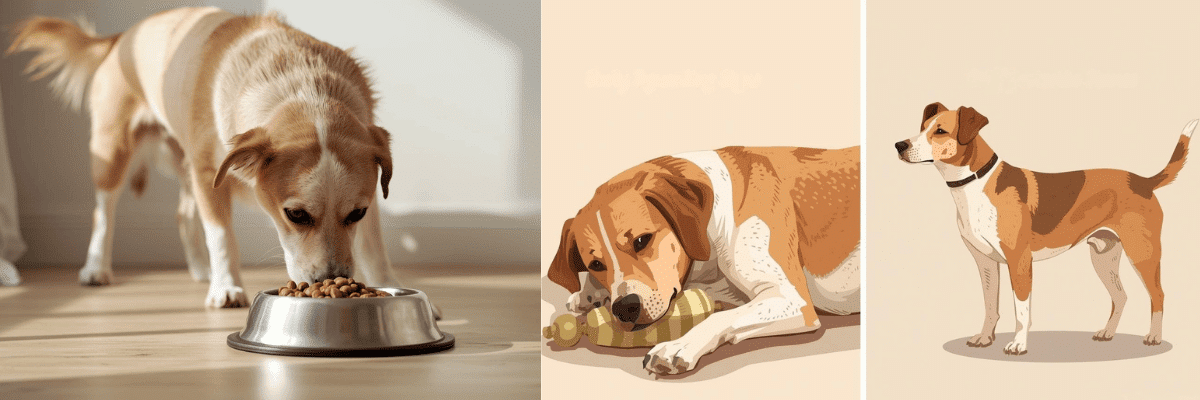
Introduction
Resource guarding is a common behavior in dogs that often worries or confuses pet owners. It occurs when a dog protects valuable items such as food, toys, beds, or even people, using behaviors like growling, snapping, or blocking access. While it can seem aggressive or “bad,” resource guarding is actually a natural instinct rooted in survival and protection of valuable resources.
Understanding the psychology behind resource guarding is essential for maintaining a safe environment and fostering a strong, trusting bond between dog and owner. Dogs guard resources for various reasons, including evolutionary instincts, learned experiences, or anxiety. Some dogs may guard food more than toys, while others may display guarding behaviors over resting spots or attention from their humans. Recognizing the triggers and subtle warning signs is critical to preventing escalation and potential injuries.
In this post, we will explore what resource guarding is, why it happens, how to identify warning signs, and strategies to safely manage or reduce it. By learning to understand this behavior, dog owners can respond with empathy and effective training techniques, transforming a potentially dangerous habit into a manageable and educational part of dog ownership.
What Is Resource Guarding?
Resource guarding is a behavior in which a dog protects items they consider valuable from perceived threats. These items, or “resources,” can include food, treats, toys, beds, or even a person’s attention. While it may appear aggressive, resource guarding is a normal and instinctive behavior that originates from a dog’s survival instincts.

Common Forms of Resource Guarding
- Food Guarding: Growling, stiffening, or snapping when someone approaches while the dog is eating.
- Toy or Object Guarding: Protecting toys, bones, or high-value items from other dogs or humans.
- Space Guarding: Defending resting areas such as beds, crates, or favorite spots on the couch.
- Attention Guarding: Displaying possessive behavior over people, especially when another dog or person approaches.
Mild vs. Severe Guarding
- Mild Guarding: Subtle cues like stiff posture, freezing, or a warning growl. Often manageable with training and supervision.
- Severe Guarding: Snapping, lunging, or biting. This level of guarding can pose serious safety risks if not addressed promptly.
Why Understanding Resource Guarding Matters
Recognizing resource guarding as an instinctual behavior rather than “bad dog behavior” is critical. Misinterpreting it can lead to punishment, which often worsens guarding behavior and damages trust between the dog and owner. By identifying the type and intensity of guarding, owners can implement safe strategies to prevent escalation and promote positive interactions.
Psychological & Evolutionary Reasons
Resource guarding is deeply rooted in a dog’s psychology and evolutionary history. While it can be concerning for owners, understanding the “why” behind the behavior is essential for safe management and effective training.

1. Survival Instincts
- In the wild, resources like food, shelter, and safe resting spots were limited. Dogs evolved to protect these valuable assets to survive.
- Even domesticated dogs retain this instinct, which can manifest as guarding food, toys, or favored resting spots.
- This instinct is natural and not inherently aggressive, but it can become problematic if left unchecked.
2. Anxiety and Insecurity
- Some dogs guard resources due to fear of loss or uncertainty.
- Dogs that have experienced scarcity, neglect, or competition in the past may be more prone to guarding behaviors.
- Anxiety-driven guarding often occurs when a dog perceives a threat to something they highly value, even if no real danger exists.
3. Learned Behavior
- Dogs can learn that guarding is effective in protecting resources.
- If approaching a food bowl or toy causes a dog to growl or snap, and the threat retreats, the dog may associate guarding with success, reinforcing the behavior.
4. Breed Tendencies
- Certain breeds may be more predisposed to resource guarding due to historical roles or genetic traits.
- Breeds bred for guarding, herding, or hunting may show higher possessiveness over items or space.
- Individual personality also plays a role—some dogs are naturally more protective or cautious.
5. Cognitive and Emotional Factors
- Dogs with high intelligence may anticipate threats and guard proactively, not just reactively.
- Emotional attachment to objects, food, or people can drive possessive behavior, making it important for owners to recognize subtle cues before escalation occurs.
By understanding these psychological and evolutionary reasons, owners can approach resource guarding with empathy and a clear plan for safe management and behavior modification.
Signs and Warning Behaviors
Recognizing the early signs of resource guarding is critical for preventing escalation and ensuring safety for both dogs and humans. Dogs often give subtle cues before resorting to overt aggression, and understanding these warning behaviors allows owners to intervene appropriately.

1. Early Warning Signs
- Stiff Body Posture: A dog may freeze or tense up when someone approaches their resource.
- Direct Staring: Intense eye contact often signals vigilance or discomfort.
- Freezing or Backing Away: Some dogs may momentarily freeze or retreat while keeping a resource protected.
- Growling or Snarling: Low-level vocalizations are often the first sign of discomfort or warning.
2. Escalating Warning Signs
- Snapping or Lunging: The dog may snap at the perceived threat without making contact, indicating heightened stress.
- Barking or Lunging with Sound: Loud vocalization combined with forward movement signals increasing intensity.
- Blocking Access: The dog positions their body between the resource and the approaching person or dog.
3. Subtle vs. Overt Behaviors
- Subtle cues are often overlooked by owners, which can lead to sudden escalation.
- Overt behaviors like biting, aggressive lunging, or defensive posturing indicate a serious risk and need immediate management.
4. Importance of Observation
- Always monitor your dog during meals, playtime, and resting periods.
- Respect the dog’s space when early warning signs appear.
- Early intervention and proper training prevent guarding from escalating into dangerous situations.
Risk Factors and Common Triggers
Certain situations, environments, and individual traits can make dogs more prone to resource guarding. Understanding these risk factors helps owners anticipate and prevent guarding behaviors before they escalate.
1. Age and Development Stage
- Puppies: Resource guarding can appear early in life, often around food or toys, as part of normal development and learning social boundaries.
- Adult Dogs: Guarding may persist or intensify in adulthood if the behavior was never addressed or if the dog has experienced scarcity or stress.
2. Household Composition
- Multiple Dogs: Competition for resources can increase guarding, particularly in households with dogs of different sizes, ages, or temperaments.
- Presence of Other Pets: Dogs may guard against cats or smaller animals if they perceive a threat to food or toys.
- Human Interference: Dogs guarding humans or high-value items may react if they feel their access is threatened by family members or visitors.
3. Environmental Stressors
- Crowded or noisy environments can trigger anxiety and increase guarding tendencies.
- Changes in routine, moving to a new home, or the introduction of new people or pets can heighten protective behaviors.
4. Past Experiences and Trauma
- Dogs with a history of neglect, abuse, or resource scarcity may develop stronger guarding instincts.
- Previous negative encounters around food or toys can create lasting anxiety and defensive behaviors.
5. Resource Value
- Dogs are more likely to guard items they perceive as high-value, such as favorite toys, treats, or even certain resting areas.
- Some dogs may be selective, guarding only specific items, while others may display general possessiveness.
By identifying these risk factors and triggers, owners can strategically prevent conflicts, modify the environment, and implement training techniques that reduce guarding behavior.
How to Safely Manage Resource Guarding
Managing resource guarding requires awareness, patience, and careful handling. The goal is to keep everyone safe while gradually reducing the dog’s need to guard resources.

1. Avoid Punishment
- Never punish a dog for growling, snapping, or guarding behavior.
- Punishment can increase fear and anxiety, making the behavior worse.
- Growling is a warning signal; respecting it helps prevent escalation to biting.
2. Give Space and Respect Boundaries
- Allow the dog to have safe access to high-value items without interruption.
- Step back or leave the room when the dog is eating, chewing, or playing with a toy.
- Gradually teach the dog to accept handling or sharing on their terms through positive reinforcement.
3. Use Safe Handling Techniques
- Approach slowly and calmly, avoiding sudden movements.
- Avoid trying to take items forcibly from a guarding dog.
- For multi-dog households, separate dogs during feeding or toy play to reduce competition.
4. Controlled Exposure
- Introduce low-risk situations to practice non-guarding behavior.
- For example, offer a high-value treat while approaching from a distance and gradually decrease distance over time.
- Reward calm behavior consistently to build positive associations.
5. Structured Feeding and Toy Sharing
- Feed dogs separately to prevent guarding around food.
- Rotate toys and limit access to high-value items until the dog demonstrates calm behavior.
- Use “trade-up” strategies where the dog willingly gives up an item in exchange for a better reward.
6. Observation and Early Intervention
- Pay attention to subtle warning signs like stiff body posture, staring, or growling.
- Intervene early with training exercises rather than waiting for aggressive behaviors to escalate.
- Consistency is key: everyone in the household should follow the same rules and protocols.
By implementing these safe management strategies, owners can reduce stress for their dogs, prevent potential injuries, and create a foundation for long-term behavior modification.
Training Strategies to Reduce Resource Guarding
With patience and consistency, most dogs can learn to feel safe and relaxed around valued resources. Training strategies focus on building trust, positive associations, and voluntary sharing.
1. Positive Reinforcement
- Reward calm behavior with treats, praise, or toys.
- Avoid using punishment, which can increase guarding and anxiety.
- Reinforce desired behavior consistently during meals, play, and interactions around resources.
2. Desensitization
- Gradually expose the dog to situations where guarding might occur.
- Start with low-intensity exposure (e.g., standing at a distance while the dog eats) and reward calm behavior.
- Slowly decrease distance and increase intensity as the dog becomes more comfortable.
3. Counter-Conditioning
- Change the dog’s emotional response to a perceived threat.
- Pair approaching the dog during resource use with high-value treats, teaching them that human presence predicts good things, not loss.
- Over time, the dog associates people near their resources with positive outcomes rather than danger.
4. “Trade-Up” Method
- Encourage the dog to exchange a guarded item for something of equal or higher value.
- Example: Offer a tasty treat in exchange for a toy.
- This teaches the dog that giving up a resource leads to rewards rather than punishment.
5. Structured Feeding and Play
- Feed dogs separately and manage access to toys to reduce competition and stress.
- Rotate toys and introduce shared play gradually, rewarding calm behavior.
- Avoid situations where multiple dogs or people compete over the same high-value items.
6. Professional Guidance
- Severe or persistent guarding may require a certified dog trainer or behaviorist.
- Professionals can develop tailored behavior modification plans, including controlled exercises and safety protocols.
- Working with a professional ensures both the dog and owner remain safe while addressing underlying psychological triggers.
These training strategies help dogs build trust, reduce anxiety, and learn that resources are not a threat, ultimately minimizing guarding behaviors and promoting safer, more positive interactions.
When to Seek Professional Help
While mild resource guarding can often be managed with careful training and household adjustments, some cases require professional intervention to ensure safety and effective behavior modification.
1. Signs That Professional Help Is Needed
- Aggressive Escalation: The dog bites or lunges when someone approaches a resource.
- Frequent or Severe Guarding: Guarding occurs regularly with multiple items or people.
- High-Risk Scenarios: Children or other vulnerable individuals are exposed to guarding behaviors.
- Failure of Home Training: Consistent training attempts do not reduce guarding behavior.
2. Benefits of Consulting a Professional
- Safety: A professional can help prevent injuries to humans and other pets.
- Tailored Behavior Plans: Certified trainers or behaviorists can create structured programs specific to your dog’s triggers, temperament, and environment.
- Expert Techniques: Professionals have experience with desensitization, counter-conditioning, and controlled exercises that are difficult to implement alone.
- Ongoing Support: Guidance and feedback help ensure consistent and effective application of strategies in real-life situations.
3. Choosing the Right Professional
- Look for certified dog trainers (CPDT-KA, CCPDT) or certified applied animal behaviorists (CAAB).
- Avoid trainers who rely primarily on punishment or dominance-based methods, as these can worsen guarding behaviors.
- Consider a professional who emphasizes positive reinforcement, safety, and individualized behavior modification plans.
4. Collaborative Approach
- Working alongside a professional, owners learn to read warning signs, implement safe management techniques, and reinforce positive behavior consistently.
- Collaboration ensures long-term success and reduces stress for both the dog and household members.
By recognizing when resource guarding exceeds safe limits, owners can act proactively, ensuring the dog receives the right guidance while preventing injury or escalation. Early intervention with a qualified professional can make a significant difference in resolving guarding behavior effectively.
Conclusion
Resource guarding is a natural and instinctive behavior in dogs, but it can create safety concerns if not properly understood and managed. Recognizing that guarding is rooted in psychology, evolution, and past experiences helps owners approach the behavior with empathy rather than frustration.
Key Takeaways:
- Understand the Behavior: Guarding is often instinctual and a way for dogs to protect valued resources such as food, toys, resting spots, or even attention.
- Recognize Warning Signs: Subtle cues like stiff posture, staring, or growling often precede more aggressive behavior, making early intervention essential.
- Identify Triggers: Factors such as age, household composition, environmental stressors, past experiences, and the value of resources influence guarding tendencies.
- Safe Management is Crucial: Avoid punishment, respect your dog’s space, use controlled handling, and implement structured feeding or toy-sharing routines.
- Training Strategies Work: Positive reinforcement, desensitization, counter-conditioning, and the “trade-up” method can reduce guarding behavior over time.
- Know When to Seek Help: Severe, persistent, or escalating guarding requires consultation with certified trainers or behaviorists for safe, tailored intervention.
By combining awareness, consistency, and positive training techniques, owners can help their dogs feel secure, reduce guarding tendencies, and promote safer interactions. Understanding and addressing resource guarding not only prevents injuries but also strengthens the bond between dogs and their owners, creating a more harmonious home environment.



Leave a Reply