
Introduction
Rescue dogs often arrive in new homes carrying emotional scars from past trauma, neglect, or inconsistent care. Many of these dogs may display fear, anxiety, mistrust, or avoidance behaviors, which can make bonding and training challenging. However, helping a rescue dog regain confidence is not an overnight process—it is a journey built on patience, understanding, and incremental progress.
One of the most effective ways to foster confidence in a rescue dog is by celebrating small wins. These are the subtle, everyday achievements that indicate your dog is learning to trust, feel safe, and explore the world with curiosity rather than fear. Small wins can range from approaching a new person without hesitation, exploring a new area of the home, engaging in play, or simply remaining calm during a previously stressful situation.
Recognizing and reinforcing these tiny victories is essential because confidence grows gradually, and each small success builds a foundation for the next. Owners who focus on these milestones not only support their dog’s emotional recovery but also strengthen the human-animal bond, creating an environment of trust, safety, and positivity.
In this guide, we will explore how to identify small wins in a rescue dog’s behavior, strategies for encouraging and reinforcing progress, and tools to celebrate achievements effectively. By focusing on incremental victories, owners can help their rescue dogs become more confident, resilient, and emotionally healthy companions.
Understanding the Unique Challenges of Rescue Dogs
Rescue dogs often come from backgrounds filled with uncertainty, trauma, or neglect. These experiences can leave emotional and behavioral scars that affect their ability to trust humans, adapt to new environments, and navigate social interactions. Understanding these challenges is the first step toward fostering confidence and supporting their recovery.
Common Challenges Faced by Rescue Dogs
- Past Trauma or Abuse
- Dogs rescued from abusive homes may associate humans, certain objects, or environments with danger.
- Fear-based behaviors such as growling, cowering, or avoidance are survival mechanisms, not defiance.
- Neglect or Inconsistent Care
- Inconsistent feeding, socialization, or exposure to basic routines can create anxiety and uncertainty.
- Rescue dogs may struggle with routine-based activities or become easily startled by sudden changes.
- Lack of Early Socialization
- Puppies not exposed to people, other animals, or various environments may develop fear responses in adulthood.
- Socialization gaps can make interactions with strangers, pets, or new settings challenging.
- Behavioral and Emotional Manifestations
- Common signs include withdrawal, avoidance, excessive barking, destructive behavior, and reluctance to explore.
- Some dogs may exhibit fear-based aggression as a defensive response, which requires careful handling and patience.
Why Confidence-Building is Gradual
- Confidence is not built overnight; it develops through repeated positive experiences and reinforcement.
- Rescue dogs need predictable routines, consistent reinforcement, and gradual exposure to new challenges.
- Each small step forward strengthens trust and encourages the dog to explore, play, and engage without fear.
By understanding the unique challenges rescue dogs face, owners can tailor their approach to foster gradual growth. Recognizing the emotional impact of past experiences allows for empathy, careful planning, and realistic expectations, all of which are essential for celebrating small wins and building long-term confidence.
Identifying Small Wins
Recognizing small wins is a crucial part of building a rescue dog’s confidence. These victories, though sometimes subtle, indicate progress and provide motivation for both the dog and the owner. Paying attention to daily behaviors and responses can help identify achievements that may otherwise go unnoticed.
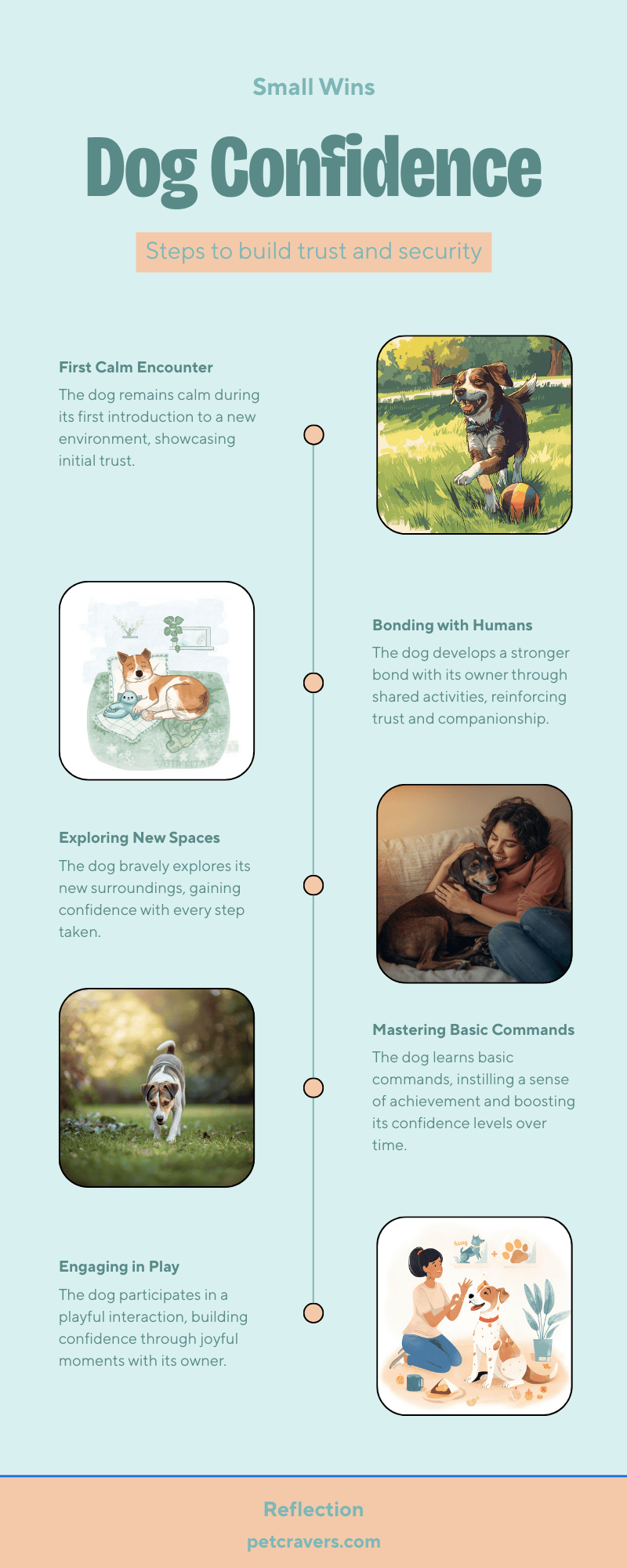
Signs of Progress to Look For
- Approaching New People or Pets
- A dog cautiously moving closer to someone new, sniffing without retreating, or showing relaxed body language is a positive sign.
- Even brief interactions without signs of fear or tension count as small wins.
- Exploring New Spaces
- Walking into a new room, yard, or park without hesitation shows growing curiosity and trust.
- Gradual exploration demonstrates comfort with their environment.
- Calm Responses to Triggers
- Remaining relaxed during a situation that previously caused fear, such as the sound of a vacuum or passing strangers.
- A dog who can tolerate stressors without panic is making measurable progress.
- Engaging in Play
- Participating in toys, games, or gentle social interaction indicates increasing confidence.
- Playful behavior often reflects emotional comfort and trust in the owner.
- Positive Body Language
- Wagging tail, relaxed posture, soft eyes, and curiosity signals growing confidence.
- Recognizing these subtle cues is essential for celebrating progress.
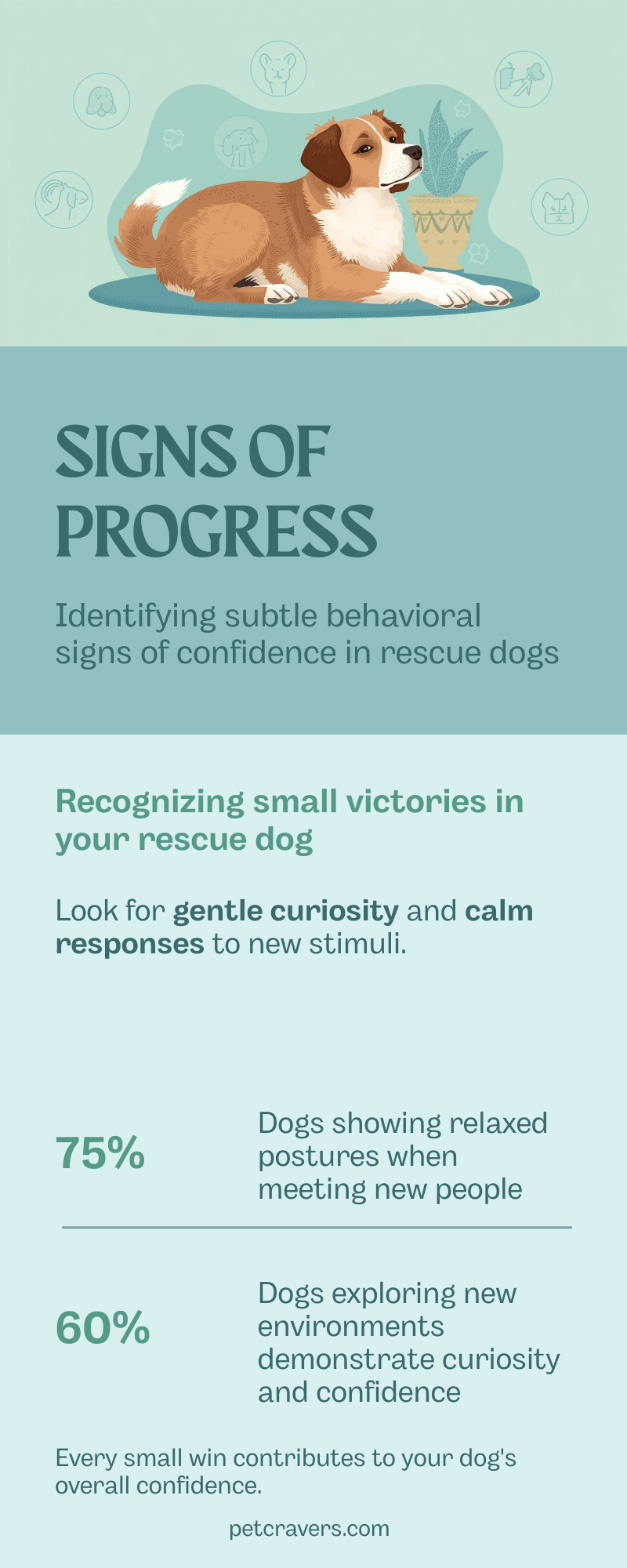
Tracking Progress
- Keep a Journal: Note dates, situations, and behaviors to monitor improvements over time.
- Celebrate Incremental Achievements: Every small step, even if minor, is a milestone in the dog’s confidence journey.
- Share Observations: Communicate progress with family members or trainers to reinforce strategies and maintain consistency.
By identifying small wins, owners can focus on incremental progress rather than expecting instant transformation. These subtle victories provide insight into a dog’s emotional state and offer opportunities to reinforce positive behaviors, making each step toward confidence meaningful and sustainable.
The Role of Positive Reinforcement
Positive reinforcement is one of the most effective tools for helping rescue dogs build confidence. By rewarding desired behaviors, owners can encourage repeated success and create associations between challenging situations and positive outcomes. This approach fosters trust, reduces anxiety, and motivates dogs to explore new experiences.
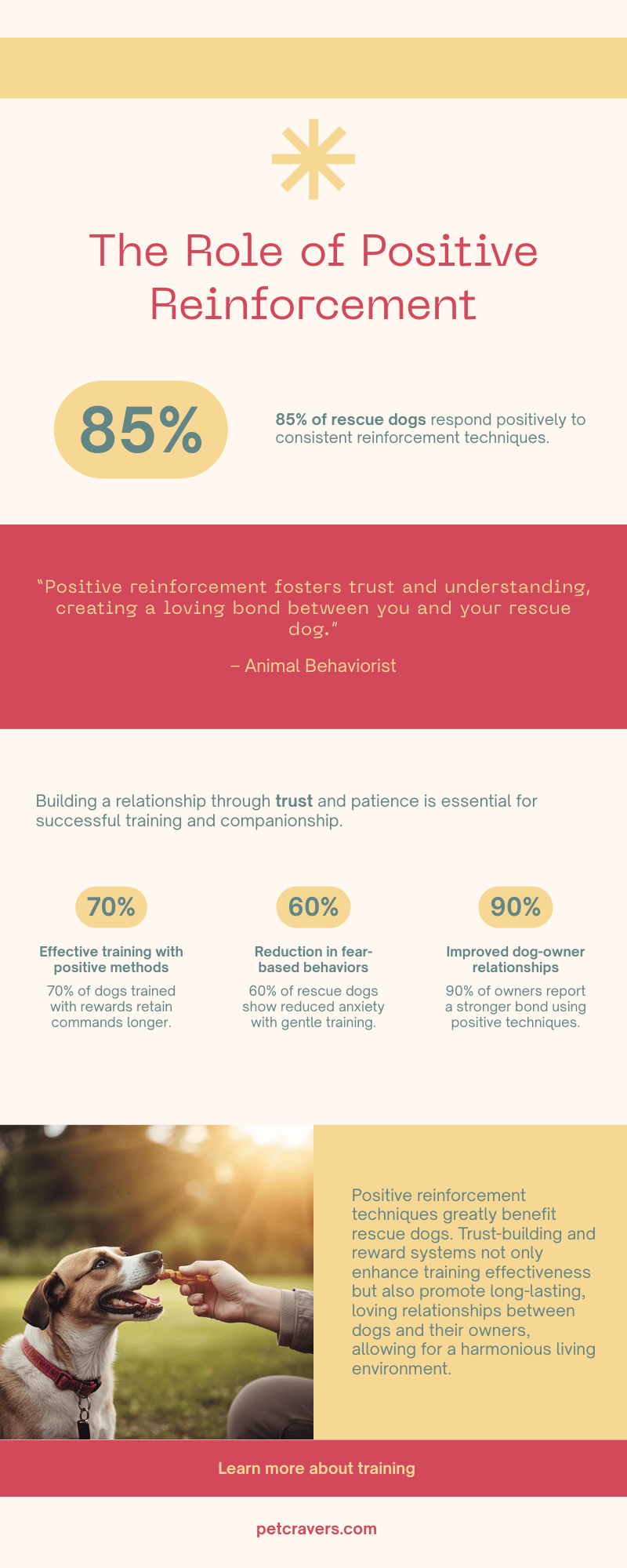
How Positive Reinforcement Works
- Rewarding behaviors your dog exhibits voluntarily encourages them to repeat those actions.
- Rewards can include treats, verbal praise, petting, or playtime—anything your dog finds motivating.
- Reinforcement should be immediate, consistent, and specific to the behavior you want to encourage.
Applying Positive Reinforcement to Small Wins
- Reward Incremental Progress
- Even tiny achievements, such as approaching a new person or sniffing a new object, deserve recognition.
- Reinforcing small steps builds momentum for larger confidence gains.
- Avoid Creating Pressure
- Positive reinforcement works best when dogs feel safe and unpressured.
- Never force interaction or exposure; allow the dog to initiate engagement whenever possible.
- Combine Rewards with Praise and Affection
- Verbal encouragement and gentle petting strengthen emotional connections and trust.
- Reinforcement should be tailored to your dog’s personality and preferences.
- Consistency is Key
- Apply positive reinforcement consistently across different situations and environments.
- Consistent rewards help the dog understand expectations and increase reliability of desired behaviors.
Benefits of Positive Reinforcement
- Builds confidence and reduces fear-related behaviors
- Strengthens the human-animal bond
- Encourages curiosity and exploration in new or previously intimidating situations
- Creates a safe and enjoyable learning environment
By integrating positive reinforcement into everyday interactions, owners can help rescue dogs recognize their achievements and feel empowered to face new challenges. Celebrating small wins with rewards and praise ensures progress is both meaningful and motivating.
Encouraging Exploration and Safe Risk-Taking
Encouraging a rescue dog to explore and take safe risks is essential for building confidence. Many rescue dogs are naturally cautious due to past trauma or neglect, so helping them engage with their environment at a comfortable pace is key. Gradual exposure to new experiences teaches them that the world can be safe and rewarding.
Controlled Introduction to New Experiences
- Start with low-stress environments or familiar areas before gradually introducing new spaces.
- Walks in quiet streets, visits to calm parks, or short trips outside the home help build curiosity without overwhelming the dog.
- Gradually increase complexity as the dog becomes comfortable with each new setting.
Letting the Dog Lead Interactions
- Allow your dog to approach new people, pets, or objects voluntarily.
- Avoid forcing encounters; respect their boundaries and timing.
- Reward voluntary engagement with treats, praise, or play to reinforce positive experiences.
Gradually Increasing Challenges
- Once a dog is comfortable in controlled environments, introduce mild challenges such as new sounds, surfaces, or social interactions.
- Monitor body language for signs of stress and adjust exposure accordingly.
- Each successful interaction, no matter how small, contributes to confidence-building.
Creating a Safe Risk-Taking Mindset
- Pair new experiences with positive reinforcement so the dog associates exploration with rewards.
- Encourage curiosity while ensuring the dog feels secure and supported.
- Use games, interactive toys, and guided walks to combine safety with stimulation.
Encouraging exploration and safe risk-taking allows rescue dogs to practice independence and decision-making in controlled situations. By gradually expanding their comfort zone, owners help their dogs develop resilience, reduce fear, and celebrate small, meaningful wins on their path to confidence.
Building Trust Through Routine and Consistency
Routine and consistency play a critical role in helping rescue dogs feel safe, secure, and confident. Many rescue dogs come from unpredictable or chaotic environments, making them highly sensitive to changes in their daily lives. Establishing predictable patterns reduces anxiety and helps the dog understand what to expect, fostering trust and emotional stability.
The Importance of Predictable Schedules
- Feeding Times: Regular meal schedules help dogs feel secure and reduce stress related to uncertainty.
- Walks and Exercise: Consistent walks at similar times provide physical activity and mental stimulation while creating a sense of reliability.
- Training and Play Sessions: Regularly scheduled training or play reinforces learning and strengthens the bond between dog and owner.
Structured Activities with Flexibility
- While routines provide structure, it’s important to remain flexible for the dog’s comfort and emotional state.
- Adjust activities based on the dog’s mood, stress signals, or progress to prevent overwhelm.
- Gradual variation within a consistent framework encourages confidence without creating anxiety.
Benefits of Consistency for Building Trust
- Reduces fear and stress by providing predictability in daily life.
- Helps dogs anticipate positive experiences, such as meals, playtime, or walks.
- Reinforces training and encourages good behavior through repeated exposure to structured activities.
- Strengthens the owner-dog relationship by demonstrating reliability and care.
Practical Tips for Owners
- Create a visual schedule or checklist to maintain daily routines.
- Keep training cues and commands consistent to avoid confusion.
- Celebrate small achievements within the routine, reinforcing progress incrementally.
By building trust through consistent routines, owners provide rescue dogs with a stable foundation to explore, learn, and grow. Consistency combined with patience and positive reinforcement ensures that small wins are recognized and compounded, gradually leading to greater confidence and emotional resilience.
The Power of Play and Enrichment
Play and mental enrichment are essential tools for building confidence in rescue dogs. Engaging a dog in enjoyable activities not only strengthens the bond with their owner but also encourages curiosity, problem-solving, and emotional resilience. Small wins achieved through play can have a significant impact on a dog’s overall confidence.
Benefits of Play and Enrichment
- Reduces Anxiety: Play provides a healthy outlet for energy and stress.
- Builds Confidence: Successfully completing enrichment tasks or games gives the dog a sense of accomplishment.
- Encourages Exploration: Play encourages dogs to interact with their environment and try new things safely.
- Strengthens Bonds: Positive, playful interactions increase trust and emotional connection with their owner.
Types of Enrichment Activities
- Interactive Toys and Puzzle Feeders
- Stimulate problem-solving and independent thinking.
- Encourage the dog to engage actively and feel rewarded for effort.
- Structured Games
- Simple fetch, hide-and-seek, or tug-of-war can boost confidence when played safely and positively.
- Games teach impulse control and help the dog associate challenges with fun.
- Scent and Nose Work
- Hide treats or toys for the dog to find using their sense of smell.
- Builds confidence and mental engagement while reinforcing positive behaviors.
- Gentle Social Play
- Supervised interactions with other friendly dogs or family members can encourage confidence in social settings.
- Ensure play is non-threatening and respects the dog’s comfort level.
Celebrating Wins Through Enrichment
- Reward participation, curiosity, and problem-solving, even if the outcome is partial.
- A dog that successfully completes a puzzle or engages willingly in play is demonstrating a small but meaningful victory.
- Consistent positive experiences during play reinforce learning, emotional security, and trust.
Incorporating play and enrichment into a rescue dog’s routine provides opportunities for small wins that build confidence gradually. By creating enjoyable and safe challenges, owners help their dogs develop independence, resilience, and a stronger bond with their human family.
Tracking and Celebrating Milestones
Tracking progress and celebrating milestones is a powerful way to reinforce a rescue dog’s confidence. Small wins may seem minor, but they mark significant emotional and behavioral development. By keeping a record and acknowledging achievements, owners can provide consistent encouragement and recognize gradual improvement.

Why Tracking Progress Matters
- Identifies Patterns: Monitoring responses to different situations helps understand what triggers fear or confidence.
- Measures Growth: Recording small victories shows tangible progress over time, which can be motivating for both dog and owner.
- Informs Strategy: Noting successes and setbacks allows owners to adjust training and enrichment activities effectively.
How to Track Milestones
- Keep a Journal or Log
- Record daily or weekly observations, including small wins, challenges, and stress signals.
- Note specific behaviors, environments, or interactions that demonstrate progress.
- Set Incremental Goals
- Break down larger behavioral objectives into achievable steps.
- Celebrate completion of each step, reinforcing confidence and motivation.
- Use Visual or Digital Tools
- Charts, checklists, or apps can help track wins over time.
- Visual progress can make subtle improvements more apparent.
Celebrating Small Wins
- Reward achievements with treats, praise, or play to reinforce positive behavior.
- Share progress with family members or trainers to create a supportive network.
- Recognize that even minor victories, such as a tail wag or calm interaction with a stranger, are meaningful milestones.
Benefits of Acknowledging Milestones
- Reinforces positive behavior and encourages repetition.
- Strengthens trust and emotional security.
- Motivates owners to remain patient and consistent in the training process.
- Helps the dog associate new experiences with success and safety.
By tracking and celebrating milestones, owners can ensure that small wins accumulate into substantial confidence-building progress. Each acknowledged achievement reinforces the dog’s sense of accomplishment, laying the groundwork for a more resilient, self-assured, and happy rescue companion.
When to Seek Professional Guidance
While celebrating small wins and using consistent training techniques can help most rescue dogs build confidence, some situations require professional intervention. Recognizing when to consult experts ensures your dog’s emotional well-being and prevents setbacks in the confidence-building process.
Signs That Professional Help May Be Needed
- Persistent Fear or Anxiety
- The dog shows ongoing avoidance, trembling, or panic despite gradual progress.
- Fear-Based Aggression
- Growling, snapping, or biting triggered by ordinary situations may indicate deeper behavioral issues.
- Self-Harming or Compulsive Behaviors
- Excessive licking, chewing, pacing, or other compulsive behaviors that lead to injury or distress.
- Difficulty Adapting to Safe Environments
- The dog remains highly anxious even in predictable, calm settings.
Types of Professional Support
- Certified Dog Trainers
- Provide structured behavior modification plans tailored to your dog’s needs.
- Veterinary Behaviorists
- Can assess medical or psychological factors contributing to fear and anxiety.
- Animal Psychologists or Behavior Specialists
- Offer advanced strategies for overcoming deep-seated trauma and building confidence.
Benefits of Professional Guidance
- Creates a customized plan for your dog’s specific challenges.
- Offers safe techniques to manage fear and build resilience.
- Helps owners understand subtle cues and avoid common mistakes.
- Accelerates progress while ensuring the dog’s safety and emotional security.
Seeking professional guidance does not mean failure; it demonstrates commitment to your dog’s well-being. Combining small wins, structured training, and expert support ensures a rescue dog receives the comprehensive care needed to become confident, resilient, and emotionally healthy.
Conclusion
Building confidence in a rescue dog is a gradual, rewarding journey that requires patience, understanding, and consistent support. Small wins—those subtle, incremental achievements—play a vital role in helping rescue dogs regain trust, explore their environment, and develop emotional resilience. Recognizing and celebrating these victories encourages continued progress while strengthening the bond between dog and owner.
By understanding the unique challenges rescue dogs face, applying positive reinforcement, encouraging safe exploration, maintaining predictable routines, and incorporating play and enrichment, owners create an environment that fosters confidence. Tracking milestones and acknowledging progress ensures that each step forward, no matter how small, is meaningful and motivating.
Some dogs may benefit from professional guidance to address persistent fear, anxiety, or complex behavioral challenges. Integrating expert support with daily efforts maximizes the dog’s chances of overcoming fear and thriving in a safe, loving home.
Ultimately, the journey of building a rescue dog’s confidence is about empathy, consistency, and celebrating progress. By focusing on small wins, owners empower their dogs to grow into confident, happy, and well-adjusted companions, creating a lifelong bond based on trust, safety, and mutual respect.




Leave a Reply