 Skip to content
Introduction
Dogs are intelligent, curious, and naturally eager to explore their surroundings. While regular walks and playtime provide physical exercise, mental stimulation is equally important for their overall well-being. Without adequate mental challenges, dogs can become bored, anxious, or even destructive, chewing furniture, barking excessively, or displaying other behavioral issues.
Brain games are a fun and effective way to engage a dog’s mind, improve cognitive skills, and strengthen the bond between dog and owner. These activities challenge dogs to think, problem-solve, and use their senses in new ways, turning everyday playtime into an enriching experience. From simple treat-finding exercises to more advanced puzzle games, brain games cater to dogs of all ages and energy levels.
In this post, we’ll explore 10 brain games that dogs will love, detailing how to play each one, the benefits for your furry friend, and tips for making each game both fun and rewarding. Whether you’re looking to entertain a high-energy puppy, engage an adult dog, or provide gentle mental exercise for a senior companion, these games are designed to stimulate your dog’s mind while creating joyful moments of interaction and learning.
Benefits of Brain Games for Dogs
Providing mental stimulation through brain games is as important as physical exercise for a dog’s overall health and happiness. Engaging your dog’s mind helps prevent boredom, strengthens their problem-solving abilities, and enhances their emotional well-being.

A. Cognitive Development
- Enhances Problem-Solving Skills: Brain games encourage dogs to think critically and find solutions, which improves their ability to handle new challenges.
- Improves Memory: Activities that require recall, such as hiding treats or remembering toy names, help sharpen memory and attention span.
- Encourages Curiosity: Stimulating activities nurture a dog’s natural curiosity and desire to explore, keeping their mind active and engaged.
B. Behavioral Improvements
- Reduces Anxiety and Boredom: Dogs that are mentally stimulated are less likely to develop destructive behaviors such as chewing, digging, or excessive barking.
- Promotes Calmness: Completing mentally challenging tasks can help release pent-up energy, resulting in a calmer, more relaxed dog.
- Strengthens Focus and Obedience: Training-based brain games improve concentration and reinforce commands in a fun, interactive way.
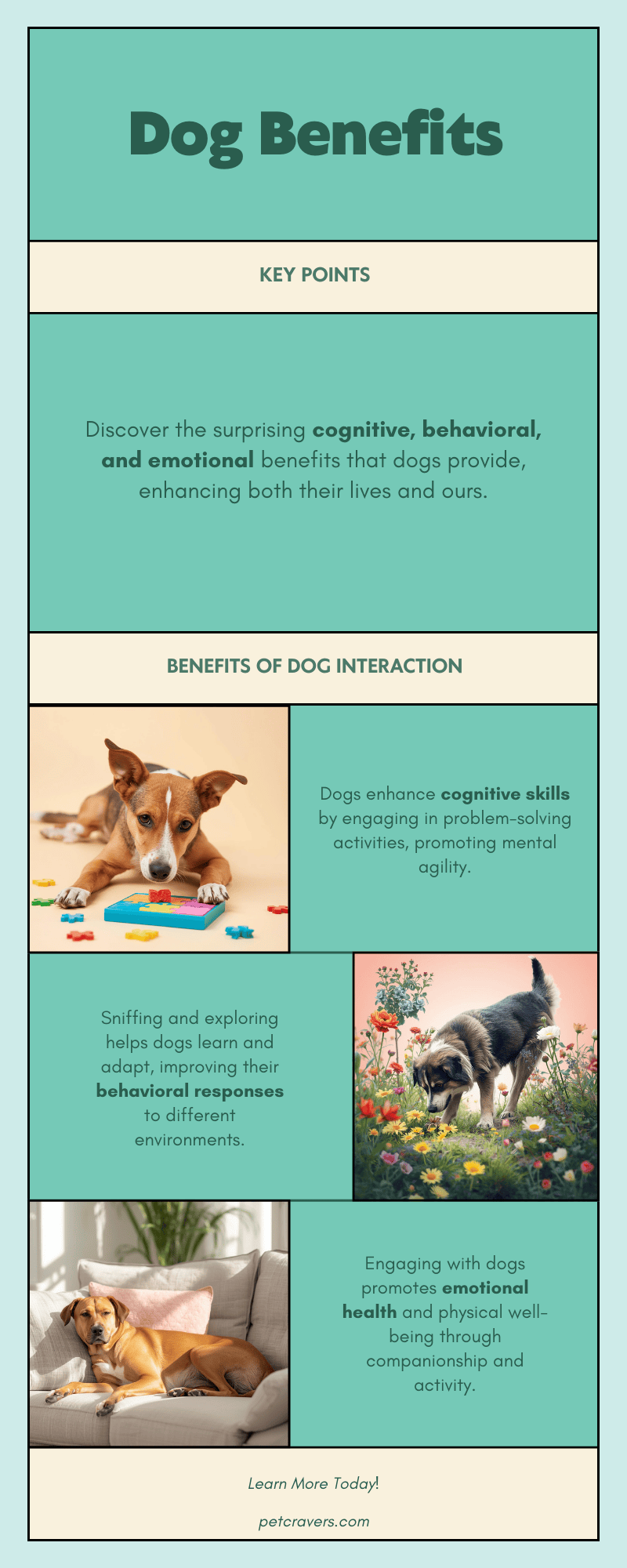
C. Physical and Emotional Engagement
- Mild Physical Activity: Many brain games involve movement, helping dogs stay active while exercising their minds.
- Emotional Satisfaction: Solving problems or completing tasks gives dogs a sense of accomplishment and boosts confidence.
- Owner Bonding: Playing brain games together strengthens the bond between dog and caregiver, fostering trust and a positive relationship.
By incorporating brain games into your dog’s daily routine, you’re supporting their mental, emotional, and physical health, while also creating enjoyable moments of interaction. These games are especially beneficial for rescue dogs, high-energy breeds, or dogs prone to boredom-related behaviors.
Top 10 Brain Games for Dogs

1. Hide and Seek
- How to Play: Have your dog stay in one spot while you hide in another room. Call your dog’s name and reward them when they find you.
- Benefits: Encourages problem-solving, strengthens recall, and enhances scent tracking skills.
- Variation: Hide toys or treats instead of yourself for an added challenge.
2. Puzzle Toys
- How to Play: Use commercially available puzzle toys or DIY versions where dogs must manipulate parts to access treats.
- Benefits: Promotes mental stimulation, patience, and problem-solving abilities.
- Tip: Rotate puzzles to keep the dog engaged and prevent boredom.
3. Shell Game (Treat under Cups)
- How to Play: Place a treat under one of three cups, shuffle them, and encourage your dog to find the treat.
- Benefits: Boosts memory, focus, and attention to detail.
- Tip: Start with fewer cups and increase difficulty as your dog improves.
4. Interactive Fetch
- How to Play: Add challenges to traditional fetch, such as requiring the dog to perform a command before retrieving the ball.
- Benefits: Combines mental and physical exercise while reinforcing obedience.
- Variation: Use obstacles or different terrains for added complexity.
5. Name That Toy
- How to Play: Teach your dog to recognize specific toys by name. Start with one toy and gradually add more.
- Benefits: Enhances memory, vocabulary, and recall skills.
- Tip: Use treats and praise when the dog fetches the correct toy.
6. Snuffle Mats and Scent Games
- How to Play: Hide treats in a snuffle mat or around the house for your dog to sniff out.
- Benefits: Stimulates natural hunting instincts, olfactory senses, and problem-solving.
- Tip: Increase difficulty by hiding treats in more challenging spots.
7. Obstacle Courses
- How to Play: Create indoor or outdoor courses using tunnels, jumps, cones, or barriers. Guide your dog through the course.
- Benefits: Provides physical and cognitive challenges, improves coordination and focus.
- Tip: Reward the dog at each stage to keep motivation high.
8. Training Challenges
- How to Play: Teach new tricks or combine multiple commands in sequence (e.g., sit, spin, shake).
- Benefits: Mental engagement, obedience reinforcement, and confidence-building.
- Tip: Keep sessions short and fun to prevent frustration.
9. Food-Dispensing Toys
- How to Play: Use toys that release treats when manipulated correctly, such as Kongs or treat balls.
- Benefits: Encourages problem-solving, patience, and reward-based learning.
- Tip: Freeze treats inside for longer-lasting engagement.
10. Memory Games
- How to Play: Hide multiple objects or treats, then ask your dog to remember and retrieve them in order.
- Benefits: Improves memory, focus, and attention span.
- Tip: Start simple and gradually increase the number of hidden items.
Tips for Successful Brain Games
To ensure that brain games are both enjoyable and effective, it’s important to approach them with strategy, patience, and consistency.
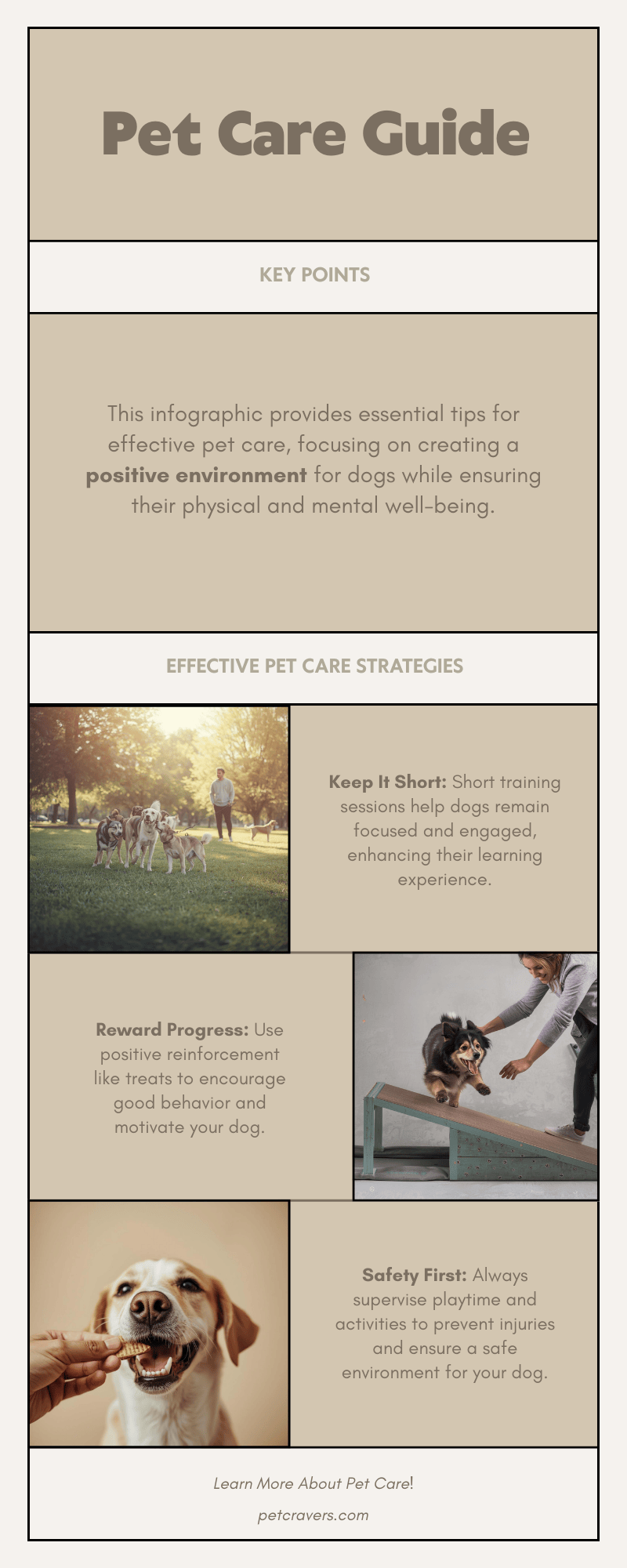
A. Keep Sessions Short and Fun
- Limit sessions to 5–15 minutes to prevent fatigue or frustration.
- Focus on quality over quantity—short, engaging activities are more effective than long, repetitive exercises.
B. Reward Progress
- Use treats, praise, or play as immediate rewards when your dog completes a task or demonstrates effort.
- Positive reinforcement strengthens learning and encourages participation.
C. Gradually Increase Difficulty
- Start with simple games and slowly increase complexity as your dog improves.
- Avoid overwhelming your dog; the goal is to challenge, not frustrate.
D. Rotate Games
- Introduce different activities regularly to maintain novelty and interest.
- Varying games helps stimulate multiple senses and prevents boredom.
E. Observe and Adapt
- Pay attention to your dog’s reactions and adjust games based on energy levels, confidence, or skill.
- Customize difficulty, pace, and type of games to match your dog’s unique personality and needs.
Safety Considerations
While brain games are fun and beneficial, safety should always come first.
A. Supervise Your Dog
- Always monitor your dog during games, especially with puzzles, obstacle courses, or new activities.
- Prevent accidents or ingestion of inappropriate items.
B. Use Safe Materials
- Ensure toys, treats, and DIY game components are non-toxic, durable, and appropriate for your dog’s size.
- Avoid small objects that could be swallowed or cause choking.
C. Avoid Overstimulation
- Watch for signs of fatigue, frustration, or stress, such as panting, whining, or aggression.
- Allow your dog to take breaks and rest when needed.
D. Consider Health and Age
- Adjust games for puppies, senior dogs, or dogs with physical limitations.
- Consult your veterinarian if your dog has health issues that could affect participation.
Conclusion
Brain games are an essential tool for keeping dogs mentally sharp, emotionally balanced, and behaviorally healthy. By engaging your dog’s mind, you’re not only providing entertainment but also helping them develop problem-solving skills, improve memory, and gain confidence. Mental stimulation can reduce destructive behaviors, alleviate boredom, and create a stronger bond between you and your furry companion.
Incorporating brain games into your dog’s daily routine doesn’t require a lot of time or expensive equipment. Simple activities like hide-and-seek, puzzle toys, or scent games can provide hours of engagement and enjoyment. Remember to start with easy challenges, reward successes consistently, and gradually introduce more complex tasks to keep your dog motivated.
Every dog can benefit from mental stimulation, regardless of age, breed, or energy level. By committing to regular brain games, you help your dog live a more fulfilled, confident, and happy life. So, pick a game, get creative, and watch your dog’s curiosity, intelligence, and joy shine through!





Leave a Reply