Introduction
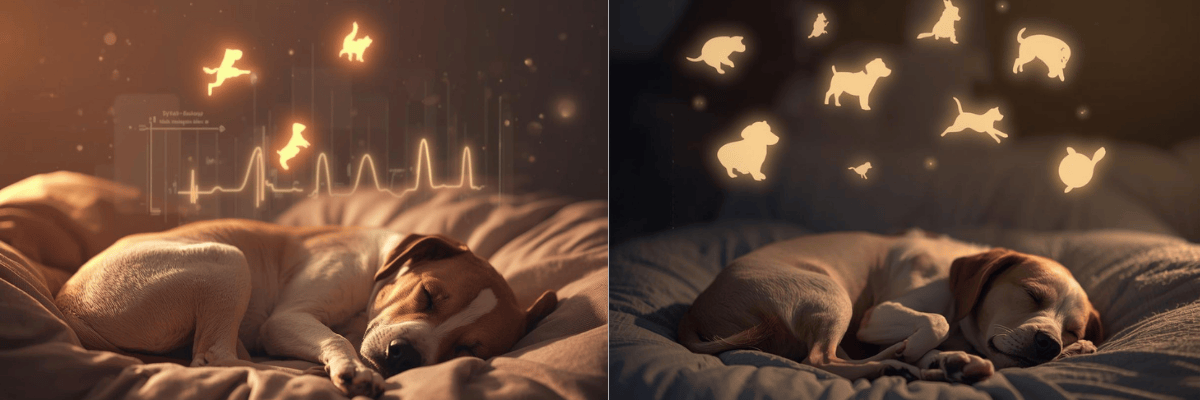
Have you ever watched your dog twitching, paddling their legs, or even softly vocalizing while asleep and wondered, “Are they dreaming?” For dog owners, these endearing behaviors are often puzzling—and fascinating. While it might look like random reflexes, science shows that dogs actually experience dreams, much like humans do.
Understanding what dogs dream about, why they dream, and how their sleep patterns work not only satisfies curiosity but also helps us care for their health and well-being. In this post, we’ll explore the science behind dog dreams, the signs that your pup is dreaming, what they might be dreaming about, and tips for supporting healthy canine sleep.
Understanding Dog Sleep
To understand dog dreams, it’s important to first know how dogs sleep. Like humans, dogs go through different sleep stages, each playing a role in rest and brain function.
1. Sleep Stages in Dogs
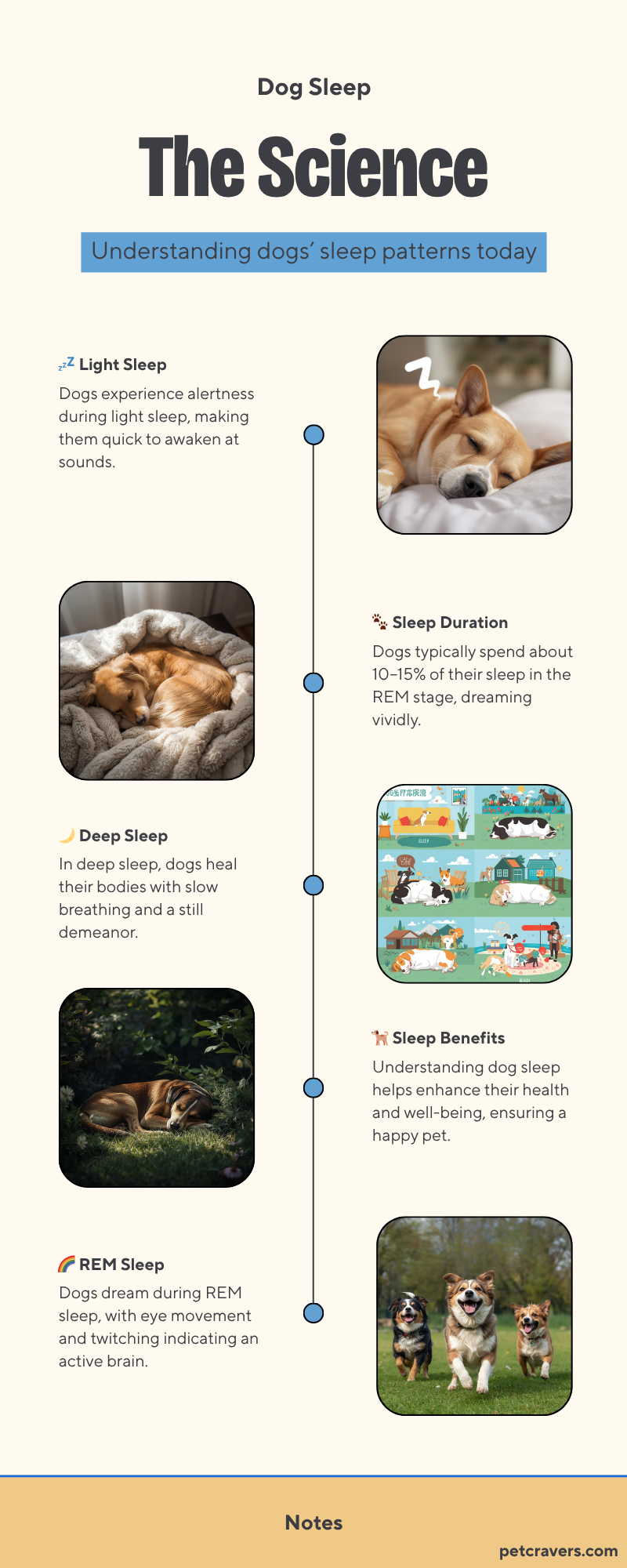
- Light Sleep: Dogs are easily awakened during this stage. Their bodies rest, but the brain remains alert to environmental sounds.
- Deep Sleep: Essential for physical restoration and immune system support. Movements are minimal, and breathing is slow and steady.
- REM Sleep (Rapid Eye Movement): This is the stage most associated with dreaming. Dogs’ eyes move rapidly under their eyelids, and their brain shows activity similar to when they are awake. Twitching, paw movements, and vocalizations often occur during REM.
2. Sleep Patterns by Age
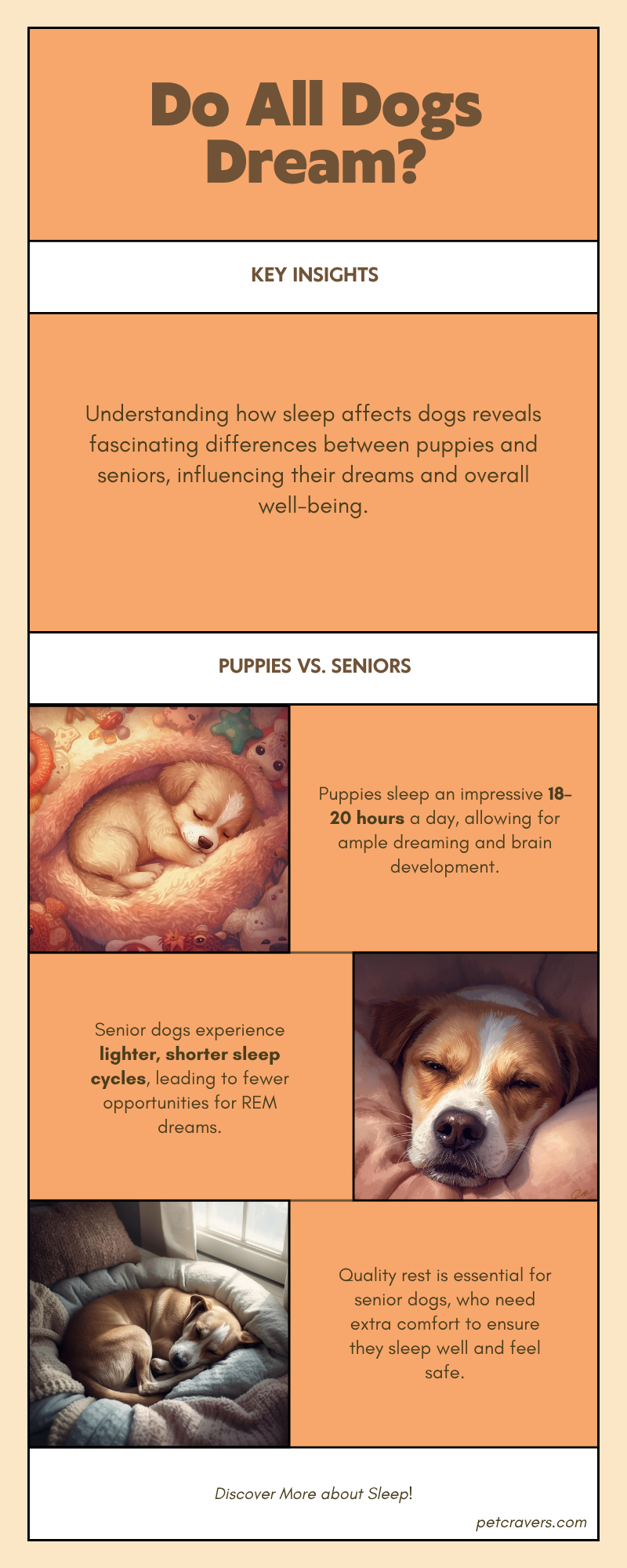
- Puppies: Spend up to 18–20 hours a day sleeping, with more REM sleep to support rapid brain development.
- Adult Dogs: Typically sleep 12–14 hours daily, balancing REM and deep sleep.
- Senior Dogs: May experience lighter, fragmented sleep and slightly reduced REM activity.
Understanding these stages helps explain why dogs move or make noises while dreaming—and why sleep quality is so important for their health and behavior.
What Science Says About Dog Dreams
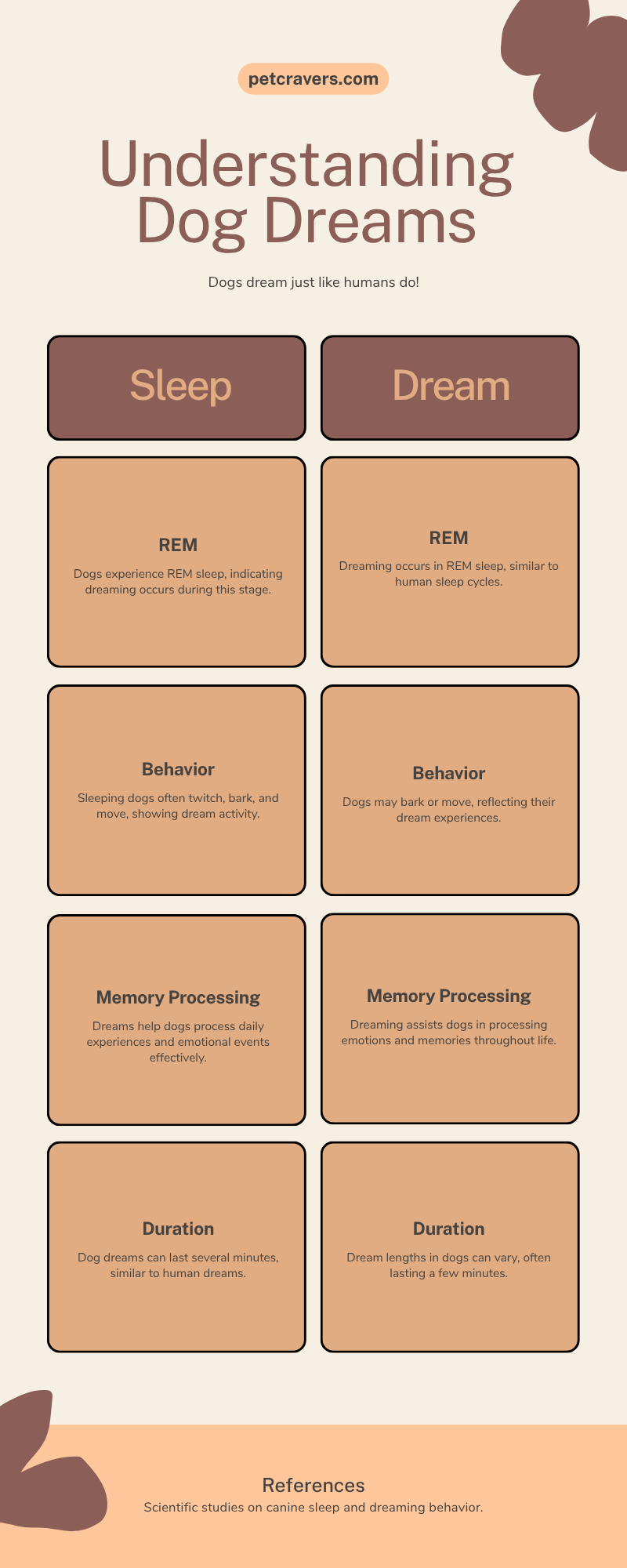
Scientific research provides strong evidence that dogs do, in fact, dream. Much like humans, dogs experience brain activity during sleep that corresponds to different sleep stages, including REM, where dreaming occurs.

1. Brain Activity During Sleep
- EEG Studies: Electroencephalogram (EEG) studies of sleeping dogs show patterns similar to humans during REM sleep. The brain is active, processing memories and experiences.
- REM Sleep Correlation: Just as humans dream during REM, dogs exhibit twitching, paw movements, and vocalizations during this stage, indicating that they are likely dreaming.

2. Evidence from Behavior
- Observations of dogs’ legs paddling as if running, vocalizations, and body movements support the idea that they are acting out dreams.
- Dogs often appear to respond to familiar experiences, such as chasing a ball or interacting with other pets, during REM sleep.
3. Influence of Size and Breed
- Some studies suggest smaller dogs may experience shorter, more frequent REM cycles, while larger breeds have longer but less frequent REM periods.
- Breed, age, and individual personality can influence the intensity and content of dreams.
In short, dogs’ brains are active during REM sleep in ways remarkably similar to humans, strongly supporting the idea that they experience dreams connected to their daily experiences and memories.
Signs Your Dog is Dreaming
Dogs can’t tell us what they’re dreaming, but their bodies give clear signals that indicate they are in a dream state. Observing these signs can be both fascinating and endearing for dog owners.
Common Signs of Dreaming
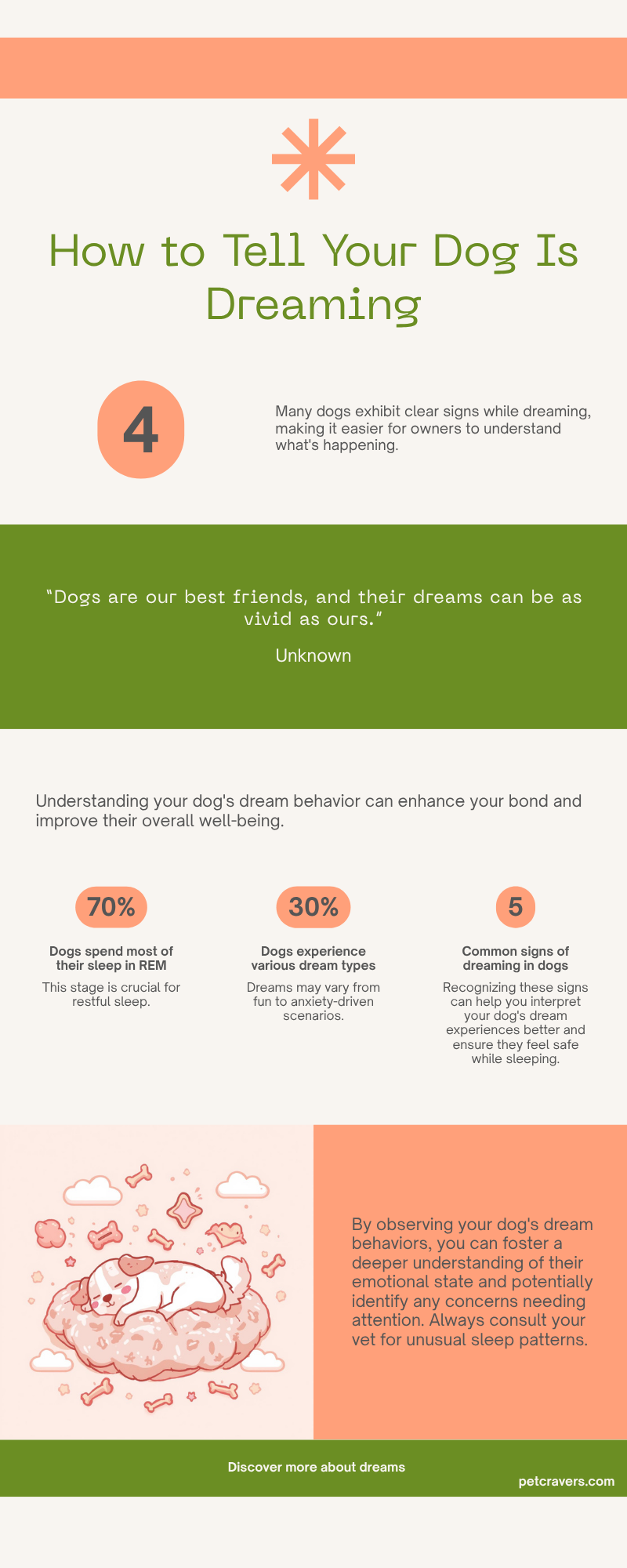
- Twitching and Paddling Legs – Dogs often move their legs as if running, chasing, or playing.
- Vocalizations – Soft barking, whining, or growling can occur as dogs act out dream scenarios.
- Rapid Eye Movements (REM) – A hallmark of dreaming, you might notice their eyes moving beneath closed eyelids.
- Body Movements – Head tilts, ear twitches, or tail movements can happen during active dreaming.
Distinguishing Dreaming from Sleep Disorders
- Occasional twitches and noises are normal and indicate REM sleep.
- Continuous, repetitive movements or loud vocalizations may signal sleep disturbances or health issues. Consulting a vet is recommended if these behaviors are excessive or concerning.
By recognizing these signs, you can better understand your dog’s sleep patterns and ensure they have a safe, comfortable environment for dreaming.
What Dogs Might Dream About
While we can’t ask dogs to describe their dreams, studies and observations suggest that dogs’ dreams are closely linked to their daily experiences and memories.

Likely Dream Content
- Daily Activities: Chasing balls, running in the yard, or playing with other dogs.
- Interactions with Humans or Pets: Dreaming about familiar people or animal companions.
- Learned Behaviors: Commands, tricks, or routines they practice regularly.
Role of Emotions in Dreams
Dogs’ dreams often reflect emotional experiences. Positive events, like playing or getting treats, may lead to happy dreams, while stressful or frightening experiences could appear in less pleasant dreams.
Puppies vs. Adult Dogs
- Puppies may have more vivid and frequent dreams as their brains process new experiences and learning.
- Adult dogs dream as well, but the content is often tied to familiar routines and established memories.
Understanding that dogs dream about familiar activities and relationships helps us appreciate the richness of their inner world and the importance of providing positive, stimulating experiences.
Puppies and Senior Dogs: Differences in Dreaming
Dreaming isn’t the same for every dog—age plays a significant role in sleep patterns and dream activity.
Puppies
- Puppies spend up to 18–20 hours a day sleeping, with a higher proportion of REM sleep compared to adults.
- Their frequent dreaming supports brain development, memory formation, and learning.
- You may notice more pronounced twitching, paw movements, and vocalizations during sleep.
Senior Dogs
- Older dogs often experience lighter, more fragmented sleep and may have slightly reduced REM activity.
- Cognitive changes with age can alter dream patterns and intensity.
- Ensuring a comfortable sleep environment becomes even more important to support healthy rest.
Recognizing these differences helps owners provide appropriate care and a safe, supportive environment for dogs at every life stage.
Tips for Healthy Dog Sleep
Ensuring your dog gets quality sleep is essential for their physical health, brain function, and overall happiness. Here are some practical tips to promote healthy canine sleep:
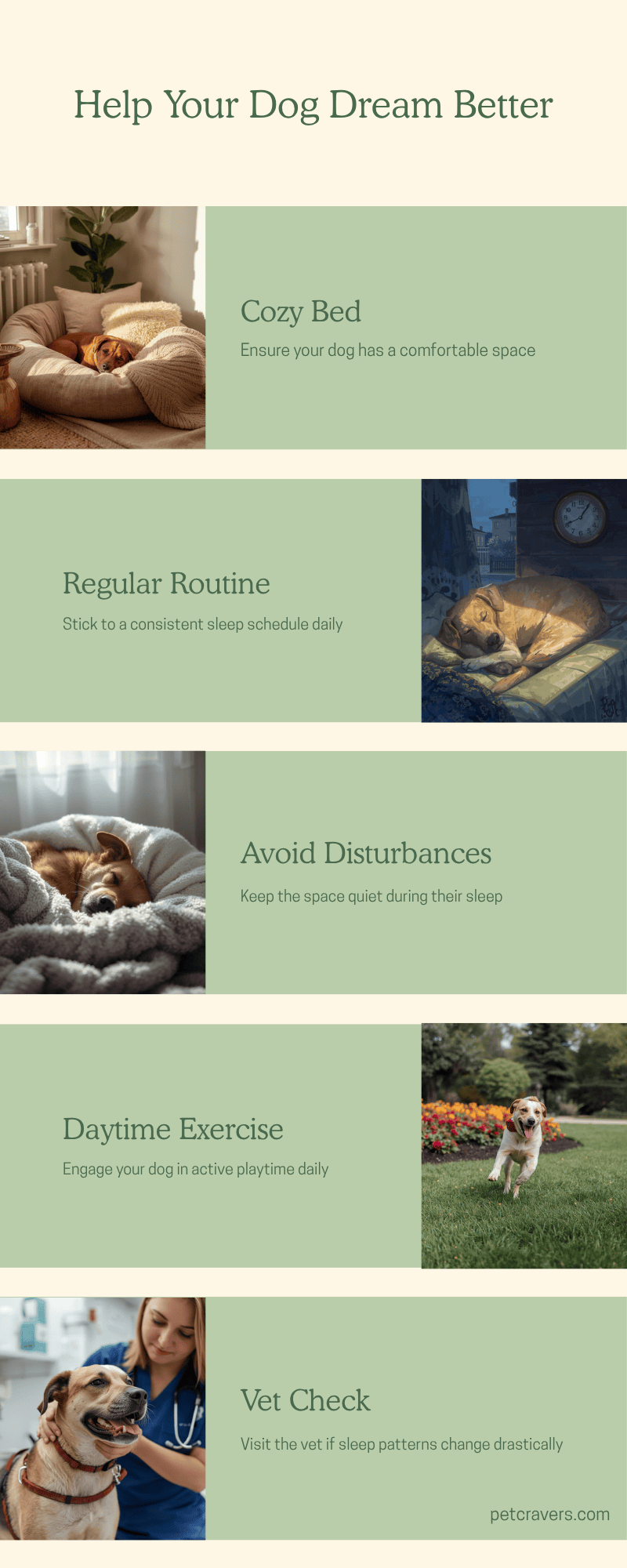
1. Create a Comfortable Sleep Environment
- Provide a cozy bed or mat in a quiet, draft-free area.
- Ensure the sleeping space is familiar and safe.
2. Maintain a Consistent Routine
- Regular feeding, play, and bedtime schedules help dogs settle faster and experience balanced REM sleep.
3. Avoid Disturbing Dogs During REM Sleep
- Dogs are most active during REM, and interruptions can stress them.
- Let them dream naturally, unless sleep behaviors seem excessive or alarming.
4. Monitor Sleep for Health Issues
- Excessive restlessness, loud vocalizations, or frequent waking may indicate discomfort, cognitive changes, or sleep disorders.
- Consult a veterinarian if unusual patterns persist.
5. Provide Mental and Physical Stimulation
- Adequate exercise and mental enrichment during the day help dogs sleep deeply at night and support healthy REM cycles.
By following these tips, you help your dog experience restful sleep, vivid dreams, and improved overall well-being.
Conclusion
Dogs do dream, and their dreams are closely tied to their daily experiences, memories, and emotions. From puppies learning the world around them to senior dogs recalling familiar routines, REM sleep allows dogs to process information, consolidate learning, and even act out their adventures in a safe, restful state.
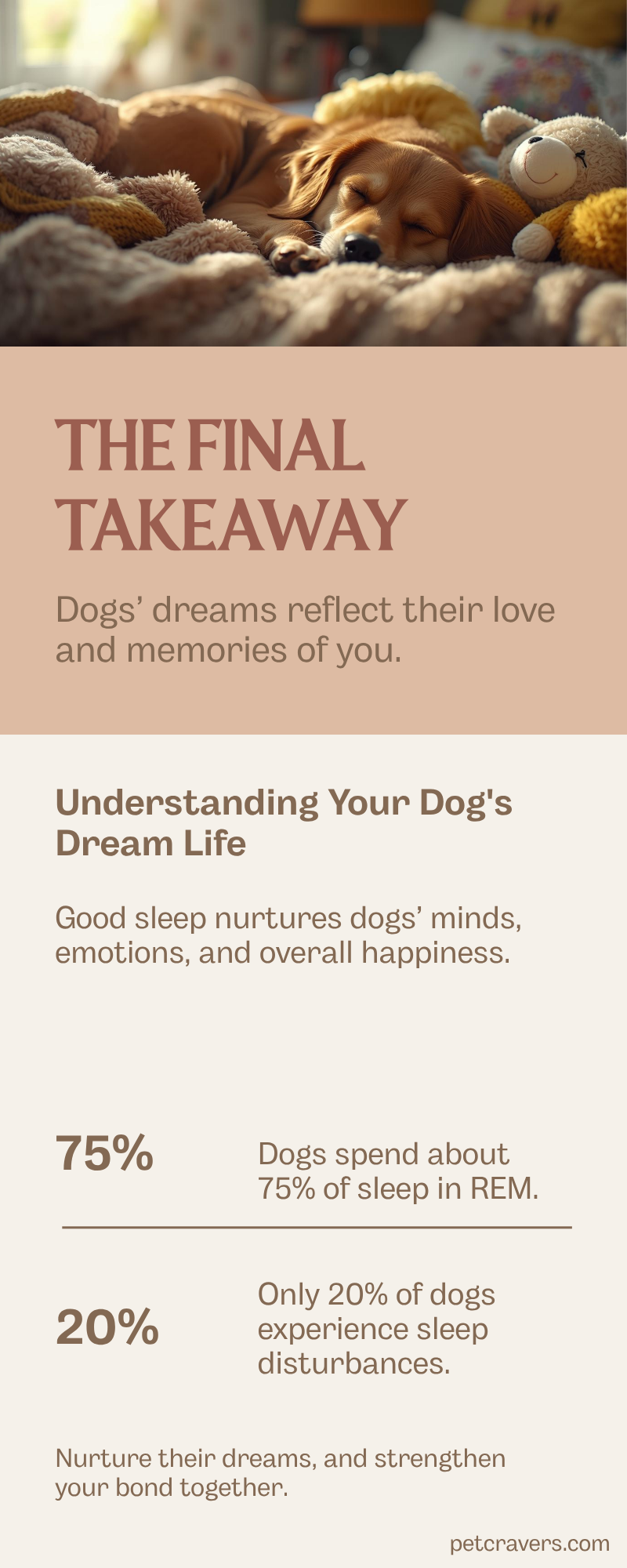
Observing your dog twitching, paddling, or softly vocalizing during sleep is a window into their inner world—a fascinating reminder that dogs have rich mental lives, filled with memories and experiences much like our own. By understanding their sleep patterns and providing a comfortable, supportive environment, we can ensure our canine companions enjoy healthy sleep and vivid dreams throughout their lives.


Leave a Reply