Introduction
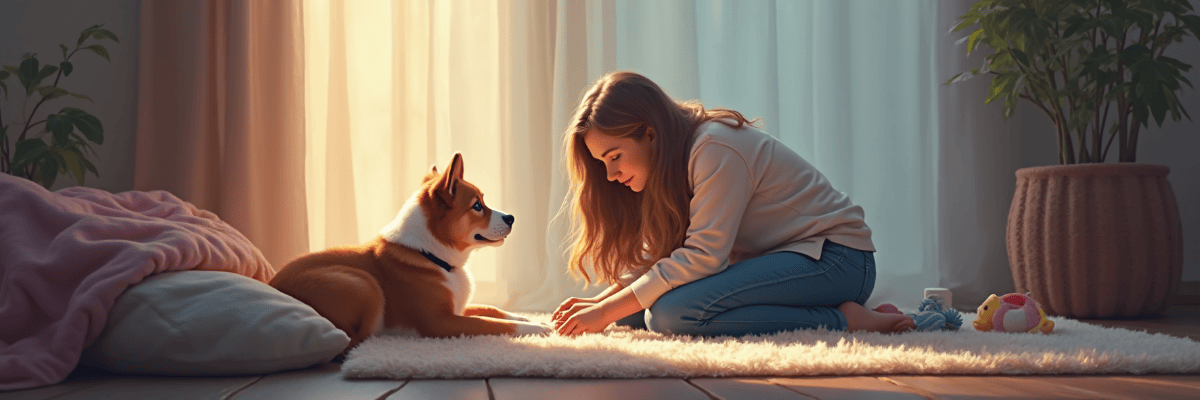
Bringing a puppy into your home is one of life’s most joyful experiences, but bonding with your new furry friend takes more than just feeding and cuddling. Puppies are naturally curious, energetic, and eager to connect with their human companions. One of the best ways to build a strong, lasting bond is through play—not only is it fun, but it also helps your puppy feel safe, secure, and emotionally connected to you.
Interactive games do more than just entertain; they teach your puppy trust, communication, and positive social behavior. Whether it’s a simple game of fetch, a mental puzzle, or a fun training activity, each playful interaction strengthens your relationship while helping your puppy learn essential life skills.
In this post, we’ll explore a variety of games specifically designed to boost bonding, improve obedience, and keep your puppy happy and stimulated. With the right approach, playtime can transform into a powerful tool for creating a confident, loyal, and well-adjusted companion.
Why Play Is Crucial for Puppy Development
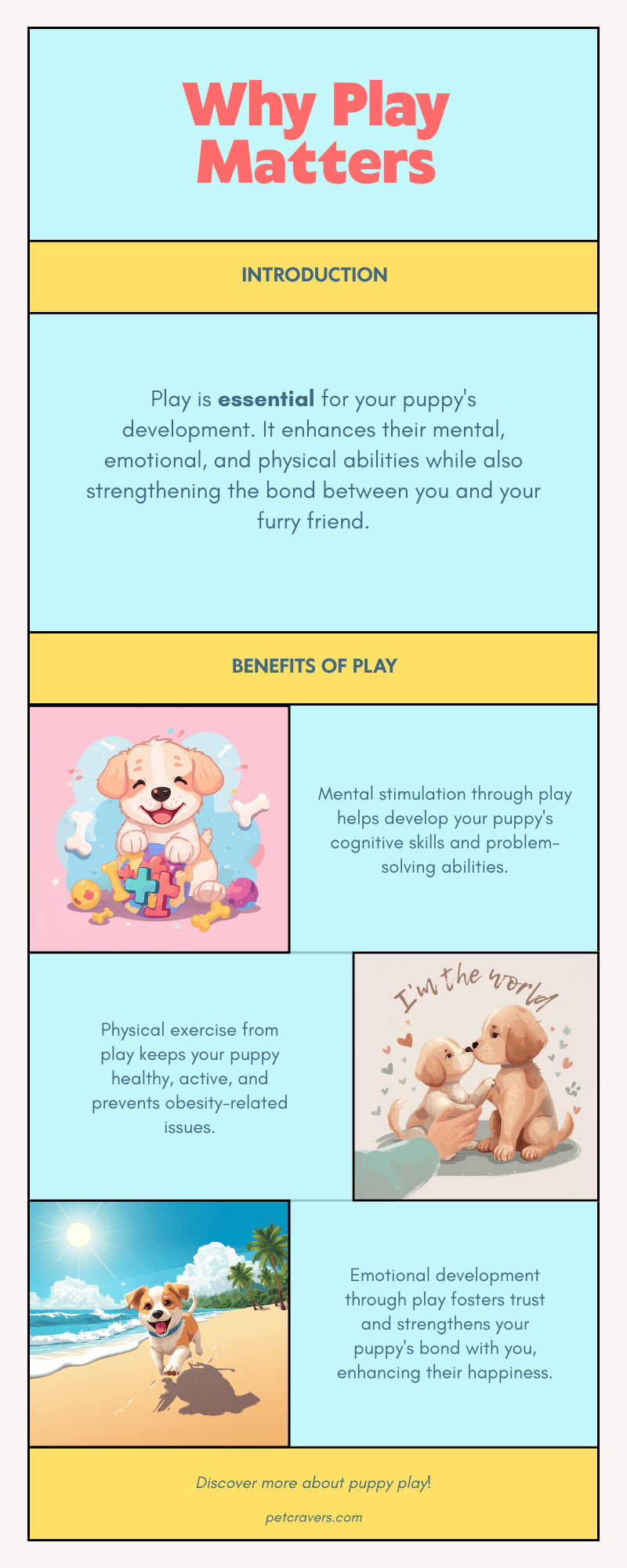
Play isn’t just fun for puppies—it’s an essential part of their physical, mental, and emotional growth. Engaging in games with your puppy provides opportunities to learn, explore, and strengthen the bond between you.
1. Mental Stimulation and Learning
- Games challenge your puppy’s mind, helping them develop problem-solving skills and focus.
- Activities like puzzle toys or hide-and-seek encourage curiosity and cognitive growth.
2. Physical Exercise and Health Benefits
- Play helps your puppy burn off energy, maintain a healthy weight, and strengthen muscles.
- Regular physical activity reduces destructive behavior that often stems from boredom.
3. Emotional and Social Development
- Interactive play teaches your puppy appropriate social behavior, trust, and patience.
- Puppies learn to manage excitement, understand boundaries, and develop confidence.
4. Strengthening the Human-Puppy Bond
- Play creates positive associations with you, reinforcing trust and attachment.
- Each game is an opportunity to communicate, reward, and connect on a deeper level.
By understanding the role of play in your puppy’s growth, you can turn everyday activities into meaningful bonding experiences, setting the stage for a lifetime of trust and companionship.
Types of Games That Strengthen Bonds
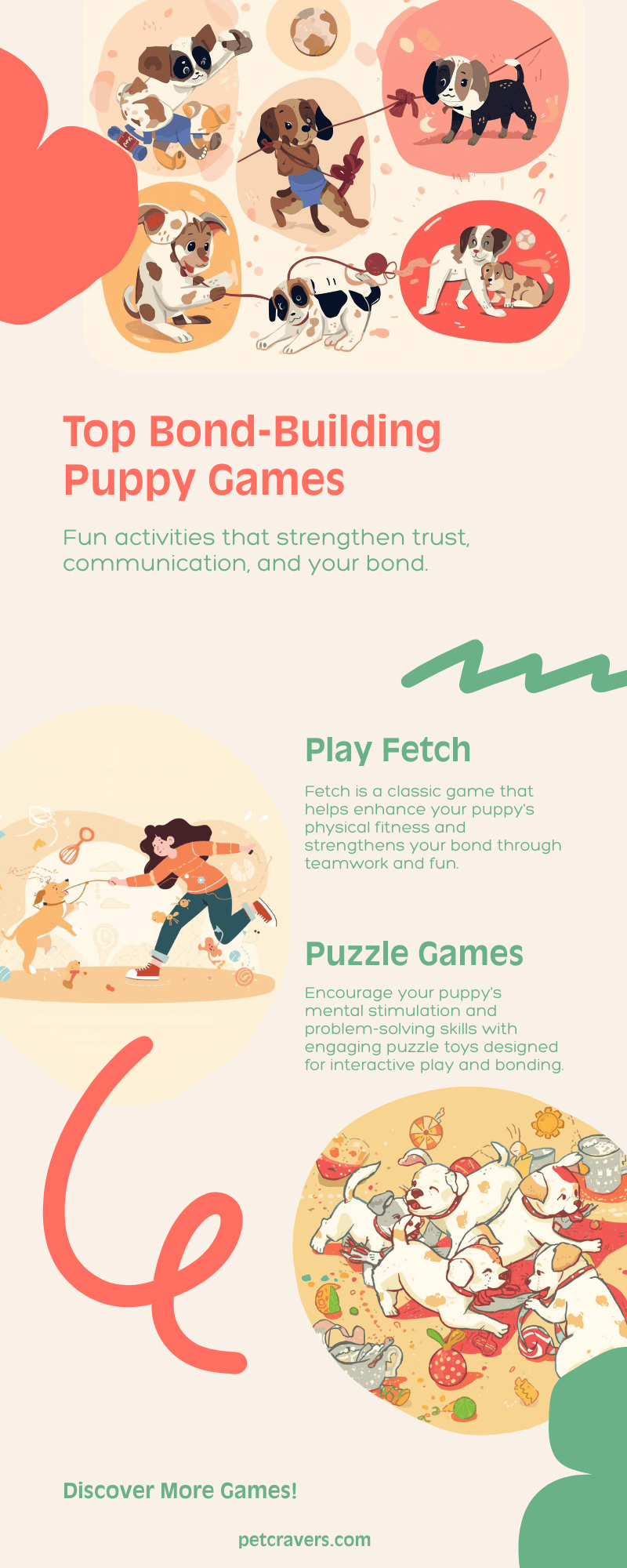
Playing with your puppy is more than just entertainment—it’s a chance to build trust, communication, and a lasting emotional connection. Here are some of the best games to strengthen your bond:
1. Fetch and Retrieve
- How it helps: Improves coordination, listening skills, and impulse control.
- Tips: Start with soft toys or balls and use positive reinforcement when your puppy returns the item. Keep sessions short to maintain excitement and focus.
2. Tug-of-War
- How it helps: Encourages controlled play and builds trust.
- Tips: Establish clear rules such as “drop it” and only allow gentle tugging. Avoid overly aggressive play to prevent bad habits.

3. Hide and Seek
- How it helps: Stimulates problem-solving and reinforces recall commands.
- Tips: Start by hiding in easy-to-find spots, calling your puppy’s name, and rewarding them with praise or treats when they find you. Gradually increase the difficulty to keep it fun and engaging.

4. Puzzle and Treat Games
- How it helps: Provides mental stimulation and encourages independent thinking.
- Tips: Use treat-dispensing toys or homemade puzzles. Reward your puppy for successfully solving the puzzle, creating positive associations with problem-solving.

5. Training Games
- How it helps: Combines obedience training with fun, turning learning into play.
- Tips: Use games like “find it” (hide treats or toys), “touch” (teach your puppy to touch your hand or object), or basic command-based games. Keep sessions short, positive, and rewarding.

6. Social Play with Other Dogs
- How it helps: Improves social skills and builds confidence.
- Tips: Arrange supervised playdates with friendly, vaccinated dogs. Monitor interactions to ensure positive experiences and prevent fear or aggression.
By incorporating a variety of games, you can stimulate your puppy’s mind, body, and emotions while deepening your bond. Variety also keeps playtime exciting, preventing boredom and encouraging a happy, well-rounded puppy.
Tips for Safe and Effective Play
While playtime is essential for bonding, it’s important to ensure that games are safe, enjoyable, and beneficial for your puppy. Here are key tips for effective play:
1. Keep Sessions Short and Fun
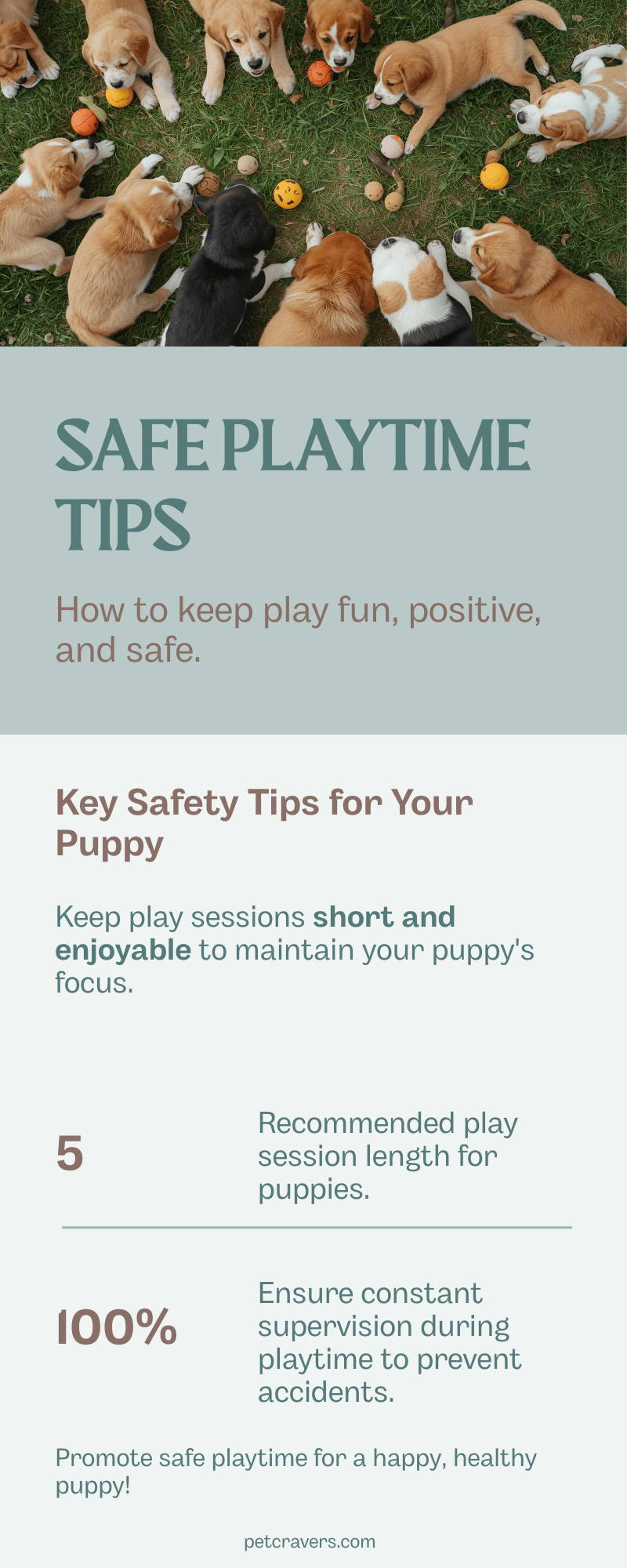
- Puppies have limited attention spans. Play in 5–15 minute sessions to prevent overstimulation.
- Multiple short sessions throughout the day are more effective than one long session.
2. Supervise All Play
- Always watch your puppy during play, especially when using toys or interacting with other dogs.
- Supervision helps prevent accidents, choking hazards, or rough play.
3. Use Positive Reinforcement
- Reward your puppy with treats, praise, or toys when they play appropriately.
- Avoid punishment; scolding can create fear or anxiety and weaken your bond.
4. Rotate Toys and Games
- Keep playtime engaging by offering different toys and activities.
- Introduce new challenges gradually to maintain interest and mental stimulation.
5. Recognize When Your Puppy Needs a Break
- Watch for signs of fatigue or overstimulation, such as panting, whining, or loss of focus.
- Allow rest periods to prevent stress and ensure play remains a positive experience.
By following these tips, you can maximize the benefits of playtime, ensuring your puppy is physically active, mentally stimulated, and emotionally connected to you.
Signs Your Bond Is Strengthening
As you engage in games and interactive play with your puppy, you’ll start noticing clear signs that your bond is growing stronger. Recognizing these cues helps you understand how well your puppy is connecting with you and responding to your guidance.
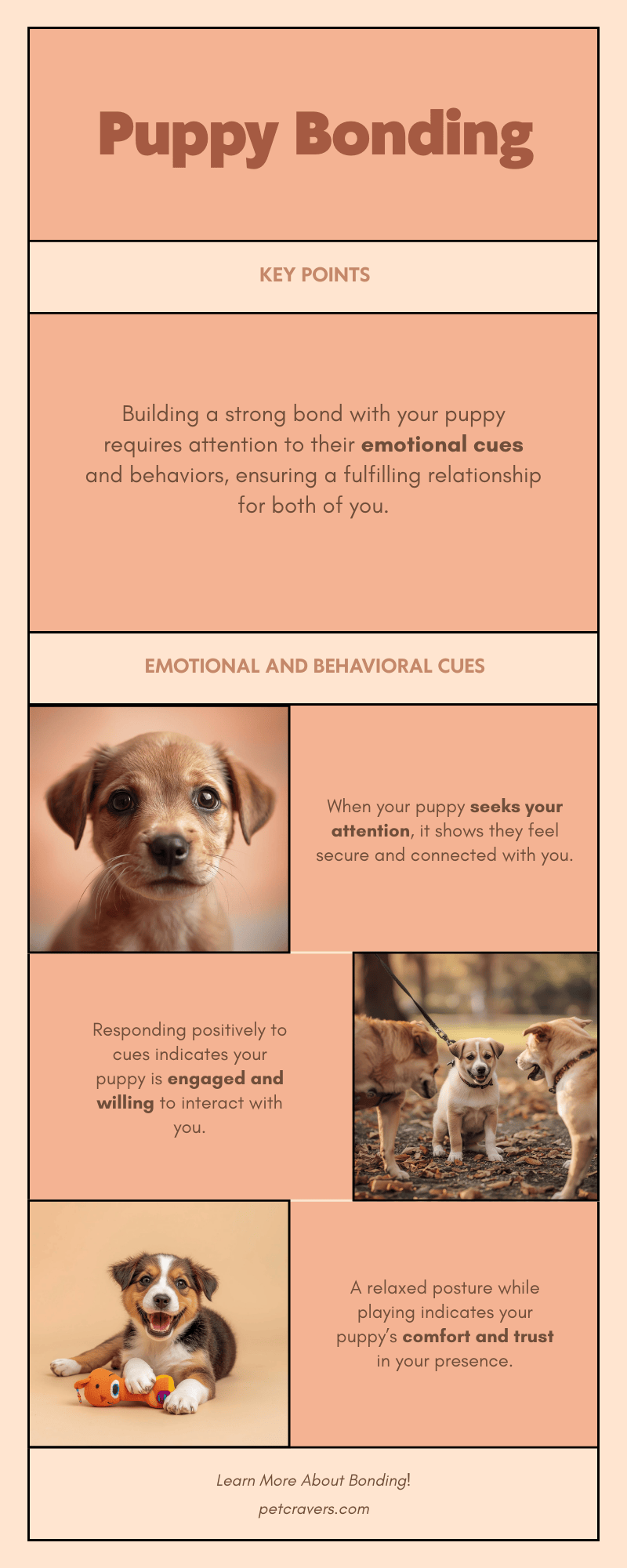
1. Your Puppy Seeks Your Attention
- A confident, bonded puppy will look to you for guidance during play.
- They may follow you around, nudge for interaction, or bring toys to initiate games.
2. Eager Response to Commands and Play Cues
- Puppies who trust and enjoy your company will respond promptly to commands during games.
- They show enthusiasm during training games, making learning fun for both of you.
3. Comfort and Confidence Around You
- A bonded puppy feels safe exploring new environments and trying new activities with you.
- They remain relaxed even in unfamiliar situations, demonstrating trust in your guidance.
4. Reduced Stress and Anxiety
- Signs of separation anxiety or fear during play are minimal.
- Puppies appear happy, relaxed, and eager to engage rather than fearful or hesitant.
5. Positive Interaction with Other Dogs and People
- A confident puppy with a strong bond often demonstrates appropriate social behavior during playdates or walks.
- They are more likely to share toys, follow play rules, and seek reassurance from you when unsure.
Observing these behaviors confirms that your efforts in structured, fun, and positive playtime are helping your puppy develop a deep, trusting, and joyful connection with you.
Common Mistakes to Avoid During Play
Even the most enthusiastic puppy owners can unintentionally create challenges during playtime. Avoiding these common mistakes ensures that play remains safe, positive, and effective for building a strong bond.
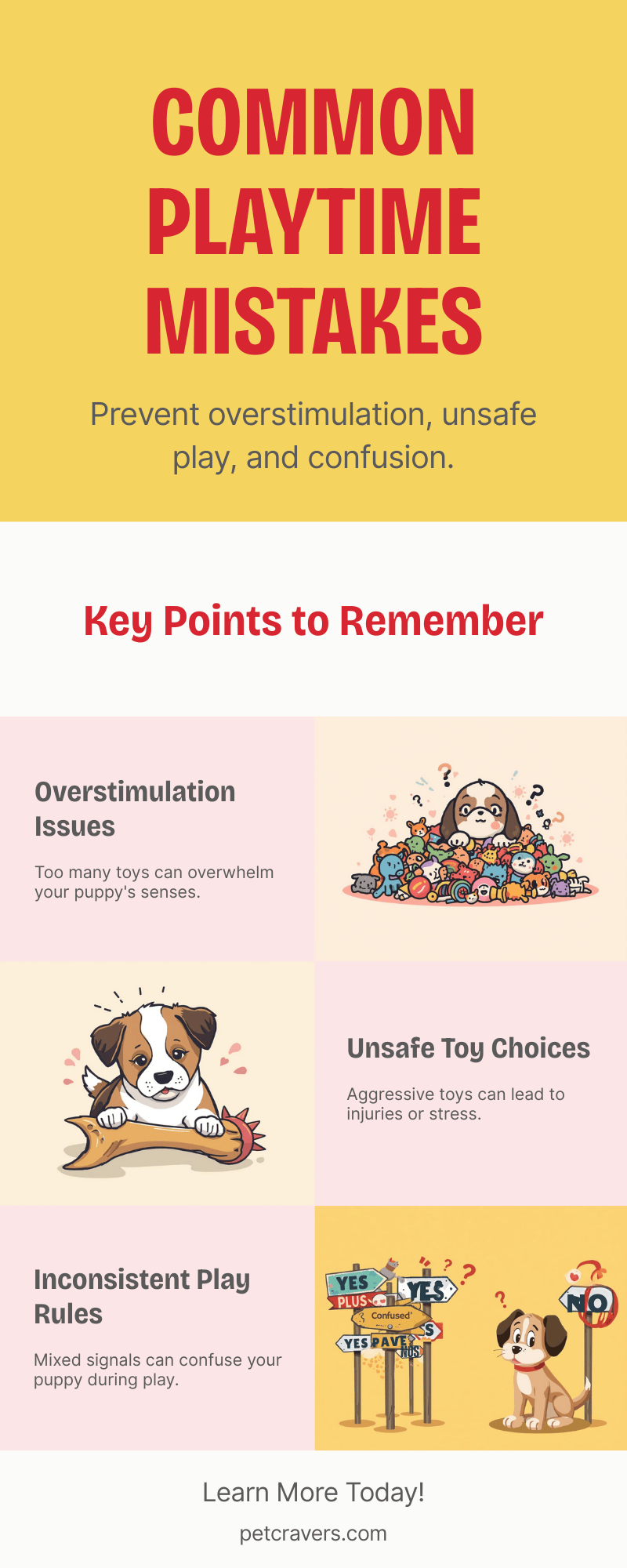
1. Overstimulating or Exhausting Your Puppy
- Long or overly intense sessions can lead to fatigue, frustration, or disinterest.
- Keep sessions short and balanced with rest periods to maintain enthusiasm and focus.
2. Using Toys That Encourage Aggressive Behavior Without Rules
- Some toys, like certain ropes or plush animals, can encourage biting or possessiveness if not supervised.
- Always teach boundaries and enforce commands like “drop it” to maintain control and safety.
3. Neglecting Consistency and Positive Reinforcement
- Inconsistent rules or feedback can confuse your puppy and reduce the effectiveness of bonding games.
- Always reward good behavior and follow a predictable routine during play.
4. Ignoring Rest and Training Balance
- Play should complement, not replace, training and rest periods.
- Puppies need downtime to process learning, recover energy, and avoid stress.
5. Overlooking Safety Precautions
- Check toys for small parts that could be swallowed, and supervise interactions with other animals.
- Ensure the play environment is secure, free from hazards, and appropriate for your puppy’s size and breed.
By avoiding these mistakes, you create an environment where play strengthens trust, encourages learning, and builds a confident, happy puppy.
Final Thoughts
Playtime is much more than just fun—it’s a powerful tool for building a strong, lasting bond with your puppy. Through interactive games, training activities, and mental challenges, you can help your puppy develop confidence, trust, and a positive connection with you.
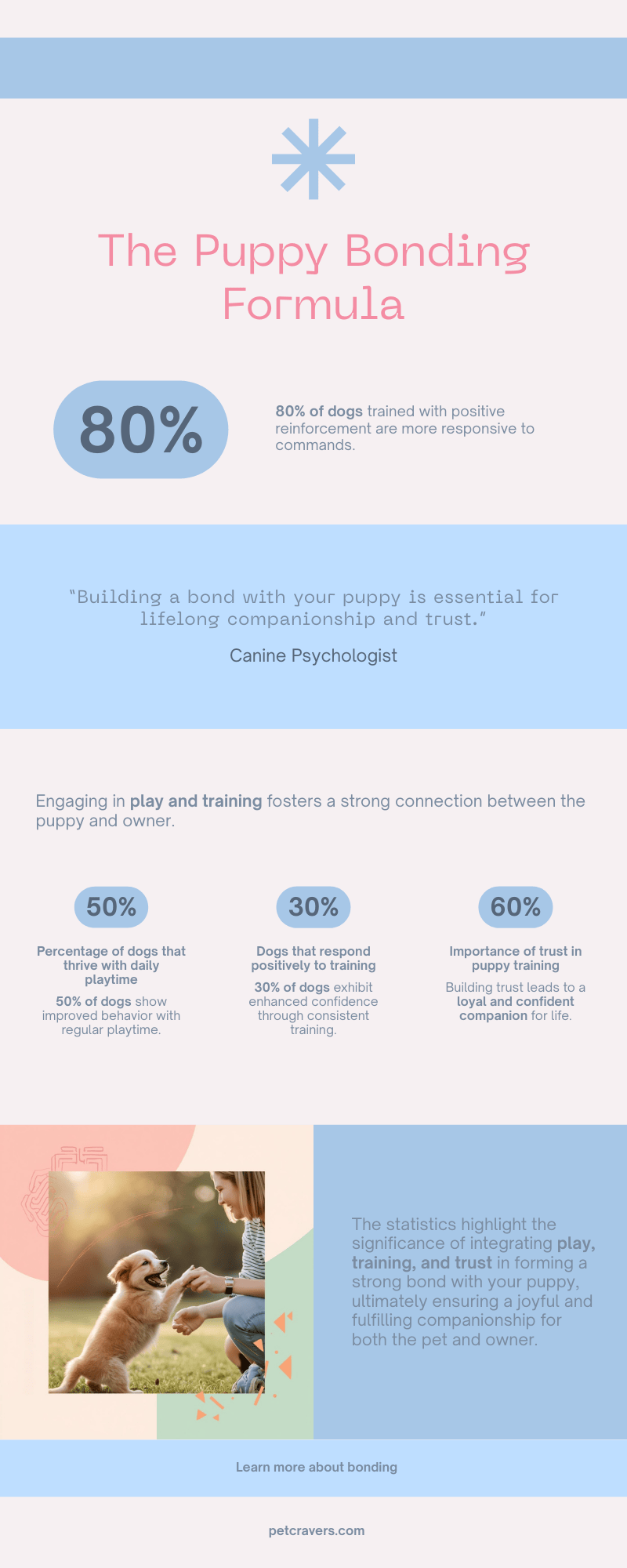
Key takeaways:
- Engage in a variety of games to stimulate your puppy’s mind, body, and emotions.
- Keep play sessions safe, short, and rewarding.
- Use positive reinforcement consistently to encourage good behavior.
- Recognize signs of bonding, such as trust, enthusiasm, and comfort around you.
- Avoid common mistakes like overstimulation, inconsistent rules, or unsafe toys.
By making playtime a regular, structured, and enjoyable part of your routine, you’re not only providing physical exercise and mental enrichment—you’re also laying the foundation for a lifelong, loving relationship with your puppy.
Remember, every game, treat, and interaction is an opportunity to strengthen trust, build confidence, and enjoy the joy of companionship. Start today, and watch your puppy grow into a happy, confident, and loyal friend.


Leave a Reply