Introduction
Dogs are naturally curious and intelligent animals, constantly exploring their environment and learning from experiences. Just like humans, dogs need mental stimulation to keep their minds sharp, prevent boredom, and maintain overall well-being. While walks, training sessions, and playtime provide some mental engagement, puzzle toys offer a unique and highly effective way to challenge a dog’s brain.
Puzzle toys are designed to engage a dog’s problem-solving abilities, memory, and dexterity by requiring them to manipulate objects to access treats or rewards. These toys transform ordinary play into a mentally enriching experience, encouraging dogs to think critically and learn through trial and error.
Using puzzle toys regularly can enhance a dog’s intelligence, reduce destructive behaviors, and boost confidence. They also create opportunities for owners to bond with their dogs, offering shared fun while promoting learning. In this post, we’ll explore how puzzle toys work, the cognitive and behavioral benefits they offer, the different types available, and practical tips for maximizing your dog’s learning and enjoyment.
Understanding Dog Intelligence
Dogs are remarkably intelligent creatures, but their intelligence differs from humans and varies between breeds and individual personalities. Understanding the different aspects of canine intelligence helps explain why puzzle toys are so effective for mental stimulation and cognitive development.
A. Types of Dog Intelligence
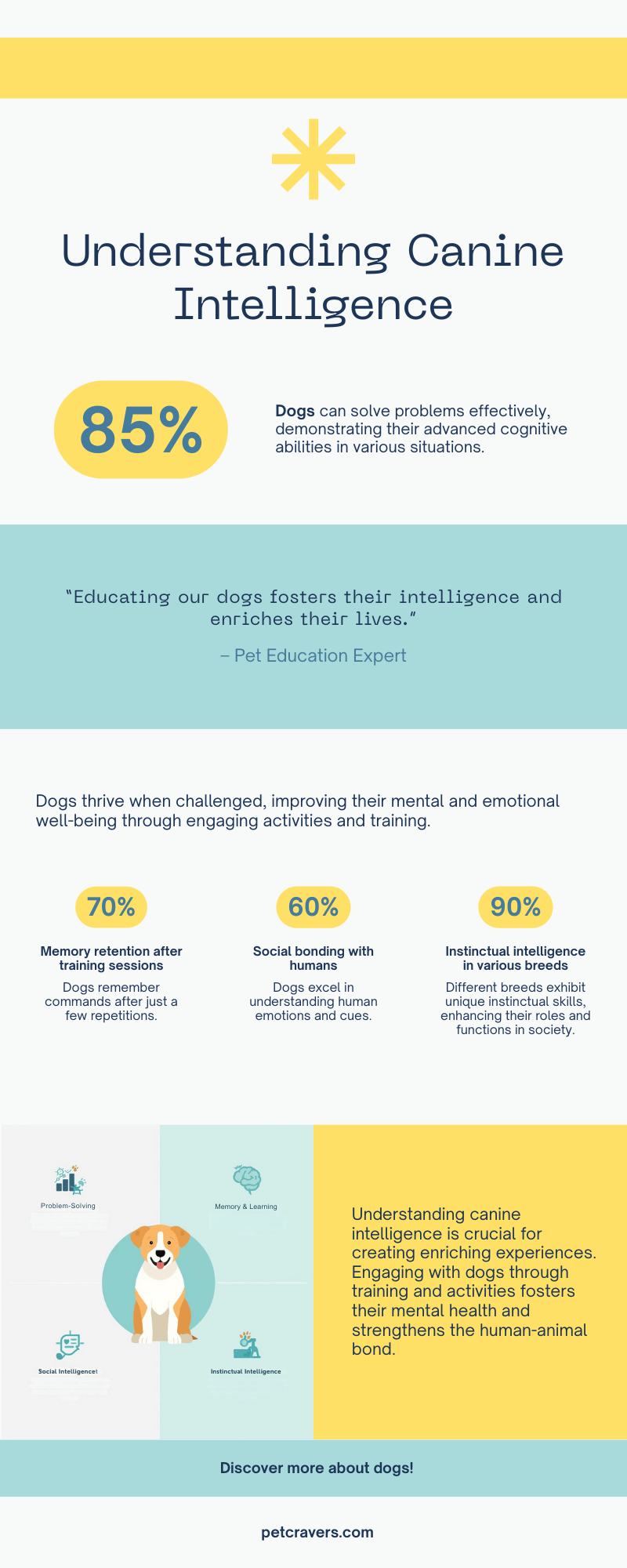
- Problem-Solving Intelligence
- The ability to figure out challenges and obstacles.
- Dogs with strong problem-solving skills can manipulate toys, open doors, or learn commands quickly.
- Puzzle toys directly target this type of intelligence by encouraging dogs to think and find solutions to access rewards.
- Social Intelligence
- The ability to understand and respond to human cues, emotions, and social interactions.
- Dogs with high social intelligence can read gestures, facial expressions, and tone of voice.
- Puzzle toys that involve interaction with owners can enhance this type of intelligence while strengthening the bond.
- Memory and Learning Intelligence
- Dogs rely on memory to recall past experiences, learn commands, and recognize patterns.
- Puzzle toys challenge memory by requiring dogs to remember locations, sequences, or techniques to obtain treats.
- Instinctual Intelligence
- Relates to natural behaviors such as hunting, herding, retrieving, or guarding.
- Many puzzle toys mimic hunting or foraging behaviors, tapping into a dog’s instinctual intelligence and satisfying natural drives.
B. Importance of Mental Stimulation
- Prevents Boredom: Mental stimulation keeps dogs engaged and less likely to develop destructive habits.
- Supports Emotional Health: Challenging games reduce anxiety and provide a sense of accomplishment.
- Enhances Learning Ability: Regular cognitive exercises improve focus, attention, and obedience.
- Promotes Overall Well-Being: Just like physical exercise, mental engagement contributes to a dog’s overall quality of life.
By understanding the different dimensions of canine intelligence, caregivers can select and design activities—like puzzle toys—that target multiple areas of cognitive development. This ensures dogs are not only entertained but are also learning, problem-solving, and building confidence through play.
How Puzzle Toys Work
Puzzle toys are designed to challenge a dog’s mind by presenting them with tasks that require problem-solving, memory, and dexterity. Unlike traditional toys, which may provide only physical exercise, puzzle toys actively engage a dog’s cognitive abilities, turning playtime into an educational experience.

A. Mechanisms of Puzzle Toys
- Treat-Dispensing Puzzles
- These toys release treats when a dog manipulates the toy correctly, such as rolling, nudging, or pawing it.
- Example: Kong toys, treat balls, and interactive feeders.
- How it works: Dogs must figure out how to move or twist the toy to release the reward, engaging both mental and physical skills.
- Hidden Compartment Toys
- Toys with sliding panels, flaps, or removable pieces hide treats inside.
- Dogs learn to lift, slide, or open sections to access the reward.
- This type of puzzle encourages memory, sequencing, and persistence.
- Interactive Tasks
- Some puzzles require multiple steps or combination actions to obtain the treat.
- Dogs must use trial-and-error, learn from mistakes, and strategize to succeed.
- These challenges enhance problem-solving and cognitive flexibility.
B. How Puzzle Toys Stimulate Intelligence
- Problem-Solving: Dogs learn to analyze the toy and experiment with different approaches to unlock treats.
- Memory Enhancement: Remembering the steps or locations of hidden rewards strengthens recall and focus.
- Patience and Perseverance: Dogs practice delayed gratification, which helps build emotional control.
- Sensory Engagement: Many puzzle toys stimulate multiple senses, including smell, touch, and sight, enriching mental activity.
C. Benefits of the Mechanisms
The combination of challenge, reward, and repetition ensures that dogs not only have fun but also gain cognitive growth. By repeatedly engaging with puzzle toys, dogs develop sharper intelligence, increased confidence, and better problem-solving abilities, all while preventing boredom and destructive behaviors.
Benefits of Puzzle Toys for Dogs
Puzzle toys offer far more than just a fun diversion—they provide significant cognitive, behavioral, emotional, and even physical benefits. Regular use can help dogs become more confident, mentally sharp, and well-adjusted.

A. Cognitive Benefits
- Enhances Problem-Solving Skills: By figuring out how to access treats or complete tasks, dogs strengthen their analytical thinking.
- Improves Memory: Remembering sequences, locations, or steps required to solve the puzzle improves recall and focus.
- Encourages Critical Thinking: Trial-and-error learning helps dogs adapt strategies, improving their cognitive flexibility.
B. Behavioral Benefits
- Reduces Boredom: Mentally stimulated dogs are less likely to engage in destructive habits such as chewing furniture or excessive barking.
- Decreases Anxiety: Puzzle toys provide a constructive outlet for nervous or hyperactive energy, promoting calmness.
- Promotes Self-Discipline: Working through challenges fosters patience and persistence.
C. Emotional Benefits
- Boosts Confidence: Successfully solving a puzzle gives dogs a sense of achievement and independence.
- Encourages Independence: Dogs can engage with puzzle toys on their own, learning to entertain themselves in a positive way.
- Strengthens Bonding Opportunities: Interactive puzzle toys can be shared with owners, fostering teamwork and trust.
D. Physical Benefits
- Light Exercise: Many puzzle toys require nudging, pawing, or rolling, providing gentle physical activity.
- Improves Dexterity: Manipulating puzzle components enhances coordination and fine motor skills.
- Supports Healthy Engagement: Combining mental and mild physical activity contributes to overall health and well-being.
By integrating puzzle toys into daily routines, caregivers can give dogs a structured way to exercise their minds while enjoying the satisfaction of problem-solving and reward-based play. These toys are especially beneficial for high-energy breeds, rescue dogs, and dogs prone to boredom-related behaviors.
Types of Puzzle Toys
Puzzle toys come in many shapes and styles, each designed to challenge a dog’s mind in unique ways. Understanding the different types can help caregivers choose the most suitable options for their dog’s age, skill level, and personality.

A. Treat-Dispensing Toys
- Description: These toys release treats when the dog manipulates them correctly, such as rolling, shaking, or pawing.
- Examples: Kong toys, treat balls, and wobble feeders.
- Benefits: Encourages problem-solving, patience, and hand-eye coordination. These toys are ideal for beginners and can be gradually made more challenging.
B. Interactive Board Puzzles
- Description: Board puzzles feature compartments, sliding panels, or rotating sections that hide treats.
- Examples: Nina Ottosson puzzle boards, rotating hide-and-seek feeders.
- Benefits: Enhances memory, critical thinking, and persistence. These puzzles require dogs to strategize and figure out sequences to succeed.
C. DIY Puzzle Toys
- Description: Homemade puzzle toys can be made using household items such as boxes, cups, or towels.
- Examples: Hiding treats under cups, wrapping treats in a towel, or using a muffin tin with tennis balls covering treats.
- Benefits: Provides mental stimulation without cost and allows for creativity. DIY puzzles can be customized to match your dog’s skill level and size.
D. Electronic or Smart Toys
- Description: App-connected or automated puzzle toys dispense treats or create interactive challenges electronically.
- Examples: Smart treat dispensers, remote-controlled toys, or puzzle feeders with timers.
- Benefits: Great for tech-savvy owners and dogs that need prolonged engagement. These toys offer varying levels of difficulty and can be used even when the owner is away.
By offering a mix of these puzzle toy types, caregivers can maintain novelty and ensure dogs remain mentally stimulated. Rotating different puzzles helps prevent boredom and continually challenges the dog’s intelligence, making learning a fun and dynamic experience.
Tips for Maximizing Learning with Puzzle Toys
To ensure your dog benefits fully from puzzle toys, it’s important to approach playtime strategically. Proper guidance, encouragement, and gradual progression help dogs build intelligence, confidence, and problem-solving skills.
A. Start Simple
- Begin with easy puzzles or treat-dispensing toys that your dog can solve quickly.
- Simple success early on encourages confidence and prevents frustration.
B. Gradually Increase Difficulty
- As your dog becomes comfortable with basic puzzles, introduce more complex challenges.
- Add extra steps, rotate toys, or hide treats in more challenging compartments.
C. Use Positive Reinforcement
- Reward your dog with praise, treats, or play whenever they successfully complete a puzzle.
- Positive reinforcement motivates your dog to keep learning and experimenting.
D. Rotate Toys
- Regularly swap puzzle toys to maintain novelty and prevent boredom.
- Different toy types stimulate different cognitive skills, keeping the dog mentally sharp.
E. Observe and Adapt
- Pay attention to your dog’s reactions. If a puzzle seems too difficult, simplify it or provide hints.
- Adjust based on skill level, energy, and confidence to ensure a positive and productive experience.
F. Encourage Independent Play
- Allow your dog to engage with puzzles independently for short periods.
- Independent problem-solving fosters confidence, patience, and self-reliance.
By following these tips, caregivers can transform puzzle toy playtime into an effective, enjoyable learning experience, helping dogs develop intelligence and mental resilience.
Safety Considerations
While puzzle toys are highly beneficial, safety is a key factor to ensure that playtime remains fun and risk-free. Caregivers should consider the following precautions:
A. Choose Durable, Non-Toxic Toys
- Select toys made from strong, non-toxic materials that can withstand chewing and manipulation.
- Avoid toys with small parts that could break off and be swallowed.
B. Supervise Play
- Especially during initial play sessions, supervise your dog to ensure they are using the toy safely.
- Supervision prevents accidental ingestion of pieces and allows you to provide guidance if your dog becomes frustrated.
C. Avoid Overstimulation
- Monitor your dog for signs of stress or frustration, such as whining, pawing aggressively, or abandoning the toy.
- Allow breaks and reduce difficulty if your dog becomes overwhelmed.
D. Consider Age and Health
- Puppies, senior dogs, or dogs with dental or mobility issues may require simpler or softer puzzle toys.
- Adjust the complexity and type of toy to suit physical limitations and cognitive ability.
E. Clean and Maintain Toys
- Regularly clean puzzle toys to prevent bacteria build-up, especially those used with treats.
- Inspect toys frequently for wear and replace damaged items promptly to prevent accidents.
By following these safety guidelines, caregivers can ensure that puzzle toys remain a safe, engaging, and rewarding tool for boosting canine intelligence.
Conclusion
Puzzle toys are more than just entertaining gadgets—they are powerful tools for developing a dog’s intelligence, problem-solving skills, and confidence. By engaging a dog’s mind in meaningful ways, these toys provide cognitive, behavioral, emotional, and even physical benefits. Regular use can reduce boredom and destructive behaviors, improve memory, and enhance your dog’s ability to learn and adapt.
Incorporating puzzle toys into daily routines doesn’t require a lot of time or expensive equipment. From simple treat-dispensing toys to complex interactive puzzles, there are options for every age, breed, and skill level. Starting with easy challenges, offering consistent rewards, and gradually increasing difficulty ensures that your dog remains motivated and mentally stimulated.
Puzzle toys also provide opportunities for bonding, especially when caregivers participate in interactive play. This combination of mental stimulation, problem-solving, and shared enjoyment strengthens the connection between dog and owner, creating a happier, healthier, and more confident canine companion.
By making puzzle toys a regular part of your dog’s life, you’re not only enriching their daily experience but also helping them reach their full cognitive potential while having fun along the way.




Leave a Reply