
Introduction
Bringing a rescue dog into a new family is an exciting and rewarding experience, but it can also be a delicate process. Rescue dogs often arrive with a history of fear, neglect, or trauma, which can make adjusting to a new home challenging. A rushed or poorly planned introduction may increase stress for the dog, create tension within the household, and even delay the formation of trust and affection.
Properly introducing a rescue dog to its new family is not just about logistics—it’s about laying the groundwork for a lifelong bond. A thoughtful approach helps the dog feel safe, reduces anxiety, and encourages positive behavior from the very beginning. This includes understanding the dog’s past, preparing the home environment, and guiding family members on how to interact in a calm, respectful manner.
In this post, we’ll walk you through the steps and strategies for successfully introducing a rescue dog to a new family. From preparing the home and assessing the dog’s temperament to handling common challenges and building trust, these practical tips ensure that both the dog and family can enjoy a smooth, positive transition. With patience, empathy, and consistency, your rescue dog can quickly learn that their new family is a source of safety, love, and joy.
Understanding the Rescue Dog’s Background
Before introducing a rescue dog to a new family, it’s crucial to understand the dog’s past and current temperament. This knowledge allows caregivers to anticipate challenges, respond appropriately, and create an environment where the dog feels safe and supported.
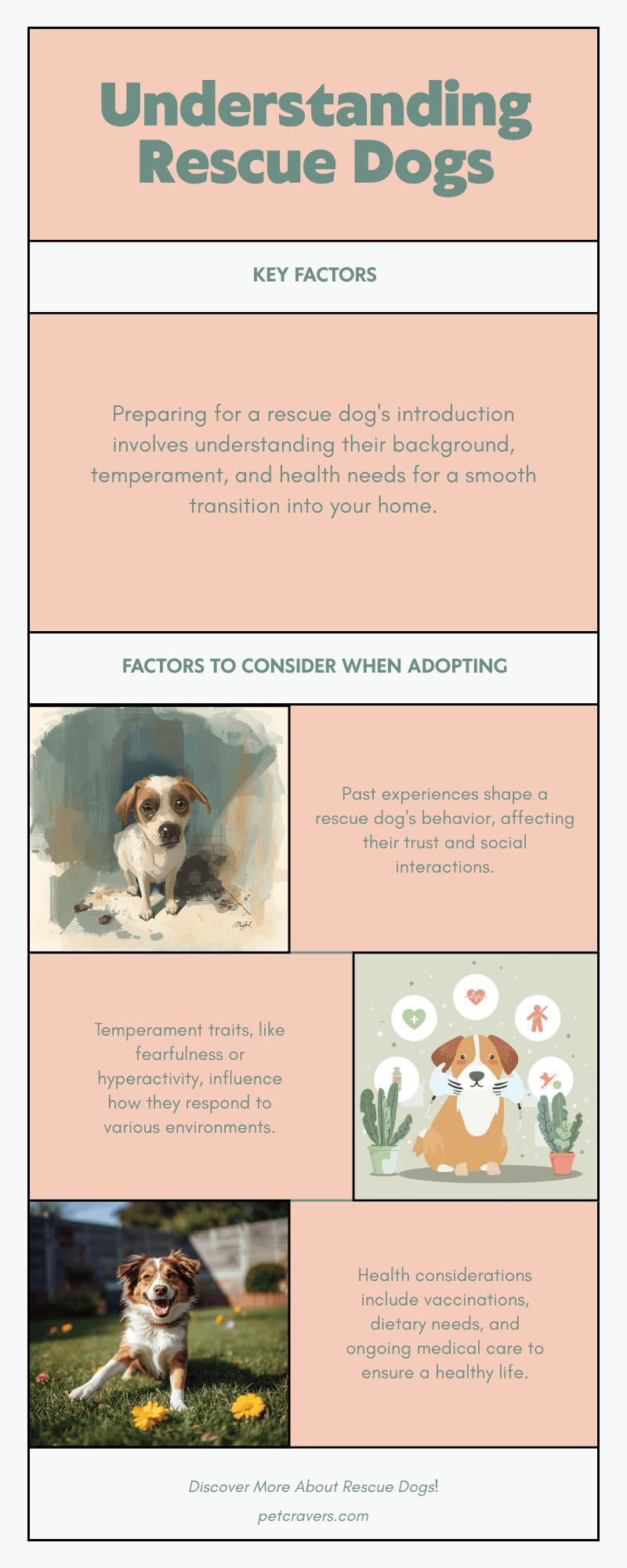
A. Previous Experiences and Trauma
Many rescue dogs have endured experiences that affect their behavior and trust levels:
- Abuse or Neglect: Dogs that have faced physical or emotional abuse may be wary of human touch or unpredictable behavior.
- Abandonment: Dogs who were surrendered or left alone may feel insecure, anxious, or clingy.
- Inconsistent Care: Dogs exposed to unstable living conditions or multiple homes may struggle to adapt to routines or trust new people.
Understanding these experiences helps families approach the dog with patience, empathy, and realistic expectations.
B. Temperament Assessment
Each dog’s personality affects how quickly they adjust to a new family. A thorough temperament assessment can identify:
- Fearful or Shy Behaviors: Dogs may hide, avoid eye contact, or be hesitant to explore new spaces.
- Aggressive or Reactive Tendencies: Some dogs may guard food, toys, or personal space.
- Overexcitement or Hyperactivity: Puppies or energetic dogs may overwhelm themselves or family members without guidance.
Knowing the dog’s temperament allows families to tailor introductions, training, and interactions for a smoother transition.
C. Health Considerations
Physical health directly impacts behavior and comfort in a new environment:
- Medical conditions such as pain, vision or hearing issues, or digestive sensitivities can increase stress or irritability.
- Ensuring the dog has a recent veterinary check-up, up-to-date vaccinations, and any ongoing treatments helps prevent unnecessary stress during the adjustment period.
By understanding the rescue dog’s background—including past trauma, temperament, and health—families are better prepared to guide their new companion through a calm, confident, and successful introduction.
Preparing the Home and Family
A smooth introduction begins before the rescue dog even steps through the door. Proper preparation ensures that the home is a safe, welcoming environment and that family members know how to interact with the dog in a way that builds trust and reduces stress.

A. Creating a Safe Space
Providing a quiet, secure area for the dog is essential:
- Designate a Specific Area: Choose a room or corner where the dog can retreat and feel protected.
- Include Comfort Items: Place bedding, toys, water, and familiar items from the shelter or previous environment if available.
- Minimize Overstimulation: Keep the area calm, away from loud noises or high-traffic zones in the house.
- Gradual Access: Allow the dog to explore the rest of the home at their own pace, starting with short, supervised sessions.
A safe space helps the dog feel in control and reduces anxiety during the critical first days.
B. Family Education
Educating the household about the dog’s needs and body language is key to successful integration:
- Understanding Canine Signals: Teach family members to recognize fear, stress, and comfort cues.
- Respecting Boundaries: Everyone should avoid forcing interactions or overwhelming the dog with attention.
- Consistent Behavior: Families should agree on rules, commands, and routines to provide predictability and security.
Well-informed family members create a supportive environment where the dog can gradually feel safe and accepted.
C. Managing Other Pets
Introducing a new dog to resident pets requires careful planning:
- Initial Separation: Allow the dogs to smell and observe each other from a distance before any face-to-face interaction.
- Controlled Introductions: Use leashes, barriers, or neutral spaces to manage first encounters safely.
- Positive Associations: Reward calm behavior and gradual social engagement between pets.
- Patience: Multiple short sessions are better than forcing long interactions, and some dogs may need weeks to adjust.
By preparing the home and family in advance, caregivers set the stage for a positive first impression, reduce stress, and increase the likelihood of a smooth transition for the rescue dog.
Step-by-Step Introduction Process
Introducing a rescue dog to a new family should be a calm, deliberate process. Following a structured approach reduces stress, builds trust, and encourages positive interactions from the start.
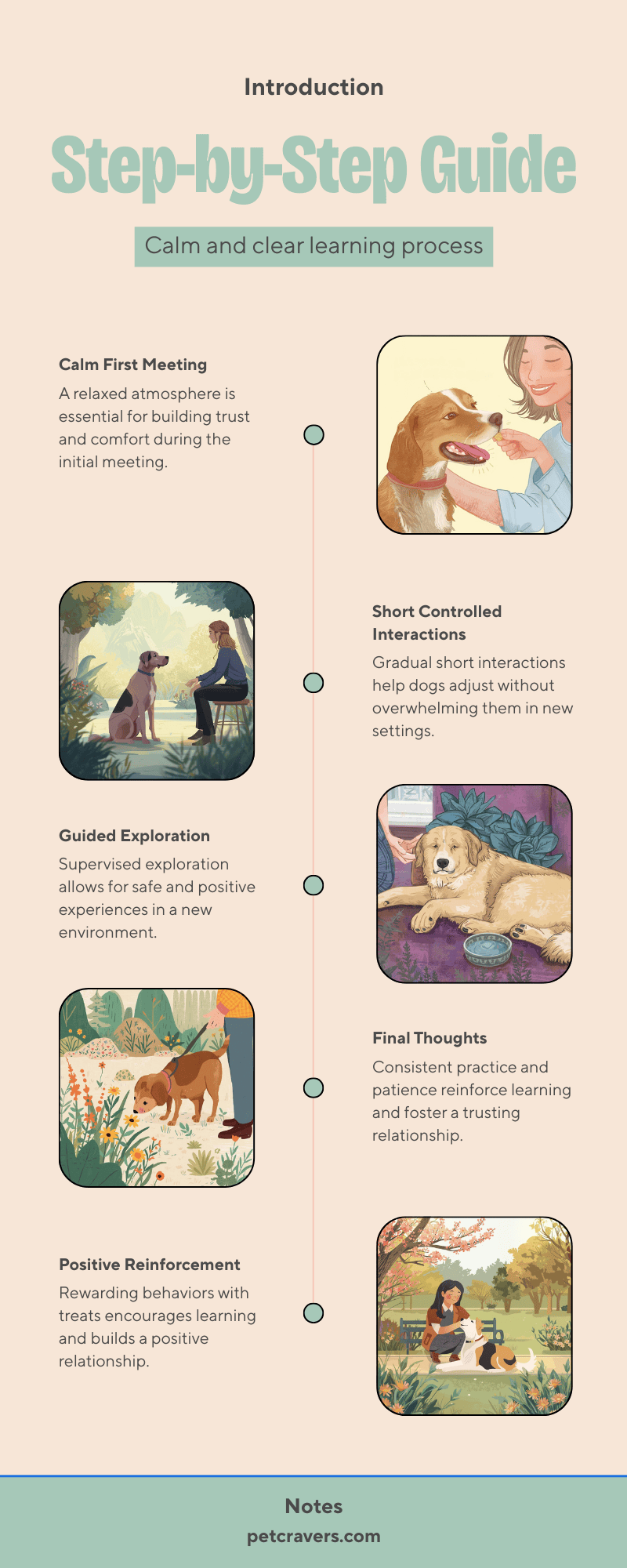
A. Initial Meeting
The first meeting sets the tone for the dog’s adjustment:
- Keep it Calm: Family members should remain quiet and relaxed, avoiding sudden movements or loud voices.
- Limit Participants: Avoid overwhelming the dog with too many people at once; start with one or two family members.
- Gentle Greetings: Allow the dog to approach voluntarily. Avoid reaching over the dog’s head or forcing contact.
- Observe Body Language: Watch for signs of stress, fear, or curiosity to guide interaction.
B. Allowing the Dog to Explore
Exploration helps the dog acclimate to the new environment at their own pace:
- Supervised Freedom: Let the dog move through rooms, sniff, and investigate spaces under supervision.
- Encourage Calm Exploration: Reward the dog with treats or praise when they show curiosity without signs of fear.
- Respect Retreats: If the dog chooses to hide or withdraw, allow them the option to return to their safe space.
C. Positive Reinforcement
Positive reinforcement encourages desired behavior and strengthens trust:
- Reward Calm Behavior: Offer treats, gentle praise, or petting for relaxed posture, curiosity, and voluntary interaction.
- Create Positive Associations: Link new experiences with enjoyable outcomes to help the dog feel safe.
- Consistency is Key: Reinforce the same behaviors consistently to help the dog understand expectations.
D. Short, Controlled Interactions
Gradually increase interaction over time:
- Short Sessions: Begin with brief periods of interaction, gradually extending as the dog becomes more comfortable.
- Structured Play or Training: Incorporate simple commands, play, or walks to build familiarity and confidence.
- Incremental Exposure: Introduce new family members, spaces, or routines slowly, always monitoring stress levels.
- Celebrate Milestones: Recognize every sign of comfort, trust, or curiosity as a success.
By following this step-by-step process, families can ensure that the dog feels safe, valued, and gradually becomes comfortable with their new home and family members.
Handling Common Challenges
Even with careful preparation, rescue dogs may display behaviors that require patience and understanding. Recognizing these challenges and responding appropriately helps prevent setbacks and ensures a smoother transition.
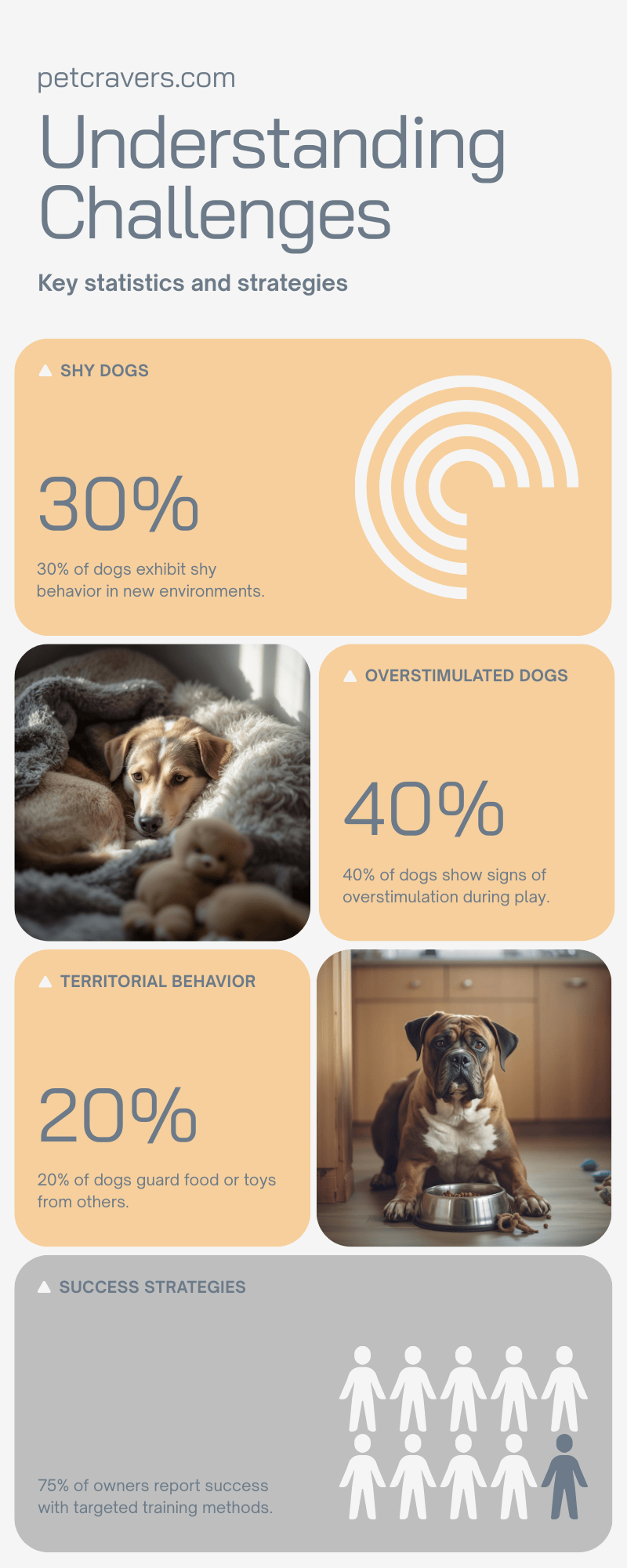
A. Fearful or Shy Behavior
Some dogs may hide, avoid contact, or cower in the presence of new family members:
- Give Space: Allow the dog to retreat to their safe zone without forcing interaction.
- Use Gentle Encouragement: Offer treats, calm praise, or a favorite toy to entice the dog gradually.
- Move at Their Pace: Avoid rushing introductions or overwhelming the dog with attention.
B. Overexcitement or Overstimulation
High-energy dogs may jump, bark, or become unmanageable during initial interactions:
- Structured Play: Provide controlled playtime and regular exercise to release energy safely.
- Calm Reinforcement: Reward relaxed behavior, and ignore hyperactive or overly boisterous actions.
- Short Sessions: Keep interactions brief and positive to prevent overstimulation.
C. Territorial or Aggressive Tendencies
Some dogs may guard food, toys, or spaces:
- Set Boundaries: Clearly define areas, feeding times, and possession rules.
- Gradual Resource Introduction: Slowly acclimate the dog to shared spaces and items.
- Professional Support: Consult a trainer or behaviorist if aggressive tendencies persist or escalate.
D. Strategies for Success
- Consistency: Maintain regular routines for feeding, walks, and play to reduce stress.
- Observation: Monitor body language to identify triggers and signs of discomfort.
- Patience: Expect gradual progress; setbacks are normal and part of the adjustment process.
- Positive Reinforcement: Reward desirable behavior consistently to strengthen trust and confidence.
By understanding common challenges and applying appropriate strategies, families can navigate difficulties with empathy and structure, creating an environment where the rescue dog feels secure, respected, and ready to bond.
Building Trust and a Strong Bond
Once a rescue dog begins to feel comfortable in a new home, the focus shifts to nurturing trust and creating a strong, lasting bond. Trust is not built overnight; it grows gradually through consistent, positive interactions that reinforce the dog’s sense of safety and belonging.
A. Consistency in Routines
- Predictable Daily Schedule: Feeding, walks, playtime, and bedtime at consistent times provide security and reduce anxiety.
- Clear Rules: Establish household rules regarding furniture, feeding areas, and acceptable behavior to help the dog understand boundaries.
- Repetition: Repeated positive experiences reinforce trust and make the dog feel secure in the new environment.
B. Gradual Socialization
- Family Members: Encourage gentle, calm interactions with each family member, allowing the dog to choose when to engage.
- Visitors and New Environments: Introduce new people and places slowly, pairing exposure with rewards to create positive associations.
- Other Pets: Continue gradual integration with resident pets, monitoring interactions and rewarding calm, friendly behavior.
C. Encouraging Confidence
- Training and Commands: Teach simple commands using positive reinforcement, helping the dog feel competent and understood.
- Play and Enrichment: Toys, games, and mental stimulation build confidence and provide enjoyable outlets for energy.
- Choice and Control: Allowing the dog to make decisions—such as when to approach, explore, or retreat—fosters independence and trust.
D. Recognizing and Celebrating Milestones
- Observe Progress: Note small signs of comfort, curiosity, or engagement as markers of growing trust.
- Celebrate Achievements: Reward milestones such as approaching a family member, joining in play, or navigating a new environment calmly.
- Emotional Connection: Each successful step strengthens the bond between the dog and the family, deepening mutual affection and respect.
By focusing on consistency, gentle socialization, confidence-building, and celebrating progress, families can cultivate a trusting, loving relationship that allows their rescue dog to thrive both emotionally and socially.
Conclusion
Introducing a rescue dog to a new family is an exciting journey, but it requires careful planning, patience, and empathy. Each dog arrives with a unique history, personality, and comfort level, which makes understanding their background and temperament essential for a successful transition. By preparing the home, educating family members, and following a structured introduction process, caregivers can minimize stress and help the dog feel safe, valued, and secure.
Challenges such as fear, overexcitement, or territorial behavior are normal and should be met with consistency, gentle guidance, and positive reinforcement. Gradual exposure to people, pets, and new environments allows the dog to gain confidence while forming trust with their new family.
Ultimately, the goal is to build a strong, lasting bond. Consistent routines, gentle socialization, play, and celebrating small milestones all contribute to creating a happy, confident, and well-adjusted rescue dog. With patience and care, the new family and their rescue companion can enjoy a fulfilling, lifelong relationship filled with trust, love, and mutual respect.




Leave a Reply