Introduction
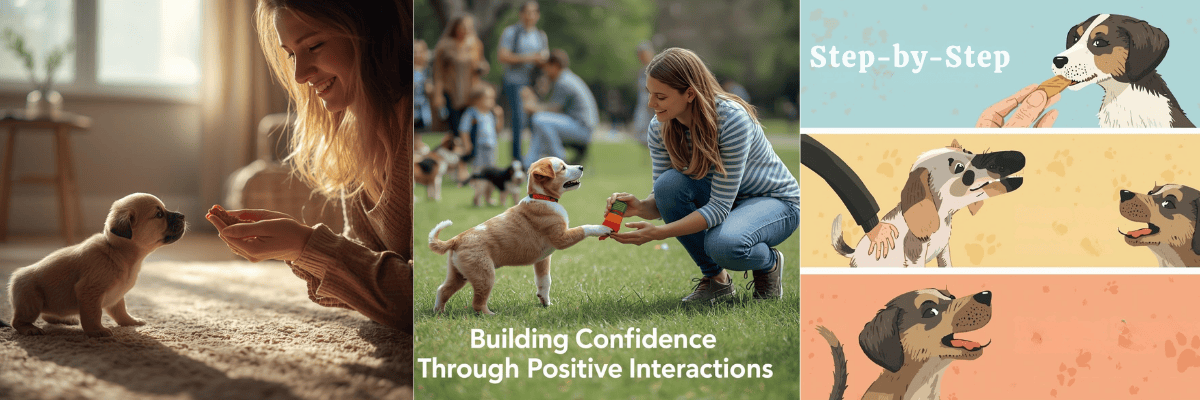
Welcoming a puppy into your home is exciting, but it comes with responsibilities beyond feeding, training, and exercise. One of the most important aspects of raising a well-adjusted dog is socialization—teaching your puppy to feel safe and confident around new people. Puppies that learn to trust strangers early are more likely to grow into calm, friendly, and adaptable adult dogs.
Building trust with strangers isn’t just about making your puppy sociable—it’s also about preventing fear-based behaviors, reducing anxiety in public, and creating positive experiences that your puppy can rely on. Without proper guidance, a puppy may become cautious, anxious, or even aggressive when meeting unfamiliar people, which can lead to challenges later in life.
In this post, we’ll explore why trusting strangers is critical, how to identify fear or hesitation, and step-by-step strategies to help your puppy build confidence around new people. With patience, consistency, and positive reinforcement, you can ensure your puppy grows into a friendly, confident, and socially adaptable dog.
Why Trusting Strangers Matters
Teaching your puppy to trust strangers is an essential part of raising a confident, well-adjusted dog. Puppies that feel safe around unfamiliar people are less likely to develop fear, anxiety, or aggressive behaviors, making everyday interactions smoother and more enjoyable for both you and your dog.

1. Prevents Fear-Based Aggression
- Puppies who are not socialized may react with fear or aggression when approached by strangers.
- Early trust-building experiences help your puppy learn that new people are not a threat.
2. Reduces Anxiety in Public Places
- Socialized puppies are calmer in parks, streets, vet offices, or other environments with strangers.
- They can focus on cues from their owner rather than becoming overwhelmed by unfamiliar people.
3. Encourages Positive Interactions
- Puppies that trust strangers are more likely to respond calmly and positively during greetings.
- This fosters confidence, friendly behavior, and a well-mannered adult dog.
By understanding the importance of socialization, you can see why proactively teaching your puppy to trust strangers early is vital for their emotional development and safety.
Understanding Puppy Fear and Hesitation
Before teaching your puppy to trust strangers, it’s important to understand their natural instincts and reactions. Puppies are naturally curious but also cautious, and recognizing the difference between normal wariness and anxiety is key to effective socialization.

1. Normal Cautious Behavior vs. Anxiety
- Puppies may initially hesitate or retreat when meeting new people, which is a normal sign of curiosity and caution.
- Fear or anxiety is more intense, persistent, and may include trembling, hiding, or refusing to approach despite encouragement.
2. Signs of Fear in Puppies
- Cowering or lowering the body
- Tucking the tail
- Backing away or trying to hide
- Growling or barking defensively
- Avoiding eye contact or freezing
3. Factors Influencing Trust
- Breed tendencies: Some breeds are naturally more cautious or sensitive.
- Early experiences: Puppies with limited exposure to strangers may develop fear more easily.
- Individual temperament: Just like humans, puppies have unique personalities that influence how quickly they adapt.
By learning to read these signs, you can approach socialization more effectively, ensuring that every encounter with strangers is positive, gradual, and confidence-building for your puppy.
Step-by-Step Strategies to Build Trust
Helping your puppy feel comfortable around strangers requires patience, consistency, and positive experiences. The following strategies provide a structured approach to building trust safely and effectively.

a. Gradual Exposure
- Introduce strangers slowly in a controlled environment, such as your home or backyard.
- Begin with calm, friendly adults who allow the puppy to approach at their own pace.
- Avoid overwhelming your puppy with too many new people at once.
b. Positive Reinforcement
- Reward calm and curious behavior with treats, praise, or favorite toys.
- Reinforce any signs of interest or confidence toward strangers.
- Never force interactions; forcing can increase fear and reduce trust.
c. Pairing Strangers with Good Experiences
- Encourage strangers to offer treats, gentle petting, or play to create positive associations.
- Make each encounter enjoyable so your puppy begins to associate new people with good experiences.
d. Controlled Socialization Events
- Attend puppy classes, supervised playdates, or safe community events to gradually increase exposure.
- Gradually increase the number of people and environments, allowing your puppy to build confidence in varied settings.
e. Consistency and Patience
- Regular, brief interactions are more effective than occasional long sessions.
- Respect your puppy’s comfort level and allow them to progress at their own pace.
- Repetition and predictability help your puppy feel secure and learn trust over time.
By following these step-by-step strategies, you can guide your puppy toward confident, friendly behavior around strangers, laying the foundation for a well-socialized adult dog.
Mistakes to Avoid
When teaching your puppy to trust strangers, certain missteps can unintentionally create fear, anxiety, or hesitation. Avoiding these common mistakes ensures that socialization is effective, positive, and stress-free.

1. Forcing Interactions
- Never push your puppy to approach strangers if they are scared.
- Forcing contact can increase fear and erode trust. Allow your puppy to approach at their own pace.
2. Scolding Fearful Behavior
- Punishing growling, cowering, or retreating can worsen anxiety and damage your bond.
- Instead, reward calm and positive responses to help your puppy feel secure.
3. Overwhelming Your Puppy
- Introducing too many new people at once can be overwhelming.
- Gradually increase exposure, starting with one calm person before expanding to groups.
4. Neglecting Positive Reinforcement
- Failing to reward brave or curious behavior misses opportunities to strengthen trust.
- Use treats, praise, and gentle encouragement consistently to reinforce positive interactions.
By avoiding these mistakes, you can create safe and rewarding experiences that help your puppy develop confidence and a healthy trust of strangers.
Tools and Resources
Using the right tools and resources can make the process of teaching your puppy to trust strangers easier, safer, and more effective. These options provide structured support for both you and your puppy.
1. Puppy Socialization Classes
- Professional classes provide a controlled environment with other puppies and people.
- Trainers guide owners on safe introductions, proper handling, and reinforcement techniques.
2. Calming Aids for Anxious Puppies
- Products such as calming sprays, anxiety wraps, or pheromone diffusers can reduce stress during initial encounters.
- Always use these as supplements, not replacements, for gradual socialization.
3. Guidance from Professional Trainers or Behaviorists
- Certified trainers can assess your puppy’s temperament and create a personalized socialization plan.
- Professional advice is especially useful for puppies with heightened fear or breed-specific sensitivities.
4. Safe, Controlled Environments
- Conduct early socialization in quiet, familiar spaces before moving to public areas.
- Use baby gates, leashes, or designated areas to maintain control while exposing your puppy to new people.
By leveraging these tools and resources, you can support your puppy’s confidence-building journey and ensure each encounter with strangers is positive, safe, and stress-free.
Signs Your Puppy Is Becoming Comfortable with Strangers
As your puppy gains confidence around new people, you’ll begin to notice clear indicators that trust is developing. Recognizing these signs helps you understand your puppy’s progress and reinforces positive socialization practices.
1. Approaching New People Voluntarily
- A confident puppy may approach strangers without hesitation, showing curiosity rather than fear.
- They may sniff, wag their tail, or gently interact with calm strangers.
2. Calm Body Language and Relaxed Posture
- Signs of comfort include a loose body, relaxed ears, soft eyes, and wagging tail.
- A puppy that is comfortable will not cower, freeze, or attempt to hide.
3. Positive Responses to Petting or Treats from Strangers
- Puppies who trust strangers will accept gentle petting, rewards, or toys offered during introductions.
- They may even return to the stranger for additional interaction, indicating enjoyment rather than apprehension.
4. Reduced Signs of Anxiety or Avoidance
- Fearful behaviors like growling, barking, or backing away become minimal or disappear.
- Your puppy displays curiosity and engagement instead of stress or hesitation.
By observing these behaviors, you can confirm that your puppy is becoming comfortable and confident, making future social interactions easier and more positive.
Final Thoughts
Teaching your puppy to trust strangers is a critical part of raising a confident, well-adjusted dog. Proper socialization early in life helps prevent fear-based behaviors, reduces anxiety in public, and fosters positive interactions with new people.
Key takeaways:
- Introduce strangers gradually, respecting your puppy’s comfort level.
- Use positive reinforcement consistently to encourage calm and curious behavior.
- Pair new people with enjoyable experiences like treats, play, or praise.
- Avoid forcing interactions, scolding fearful behavior, or overwhelming your puppy.
- Utilize tools like socialization classes, controlled environments, and professional guidance when needed.
Remember, patience and consistency are essential. Every calm, positive interaction reinforces your puppy’s confidence and trust, setting the foundation for a friendly, adaptable, and emotionally secure adult dog.
By taking proactive steps now, you’re not just teaching your puppy to accept strangers—you’re helping them develop into a happy, confident companion who can navigate the world with curiosity and ease.




Leave a Reply