
Introduction
Rescue dogs often arrive in our lives carrying more than just their physical needs—they bring stories of fear, uncertainty, and past trauma. Many of these dogs have endured neglect, abuse, or abandonment, leaving them wary of humans, new environments, and even other animals. For caregivers, helping a fearful dog transform into a confident, friendly companion is one of the most rewarding experiences, but it requires patience, empathy, and a deep understanding of canine behavior.
The journey from fear to friendliness is rarely linear. Each small milestone, whether it’s a relaxed tail wag, a tentative nudge for affection, or simply staying in the same room without hiding, represents a step toward emotional healing. These moments are not just behaviors—they are a rescue dog’s way of signaling trust, comfort, and the willingness to engage with the world.
In this post, we’ll share inspiring stories of rescue dogs who overcame fear to become loving, social, and playful companions. Along the way, we’ll highlight the techniques and approaches that helped them thrive, offering valuable insights for caregivers seeking to guide their own dogs through a similar transformation. Whether you’re a seasoned pet parent or new to rescue work, these stories illustrate the power of patience, consistency, and compassion in creating lasting bonds with our four-legged friends.
Understanding Fear in Rescue Dogs
Before a fearful dog can transform into a friendly companion, it’s important to understand the root of their fear. Recognizing the causes and signs of fear helps caregivers respond appropriately and build a foundation of trust and safety.
A. Common Causes of Fear
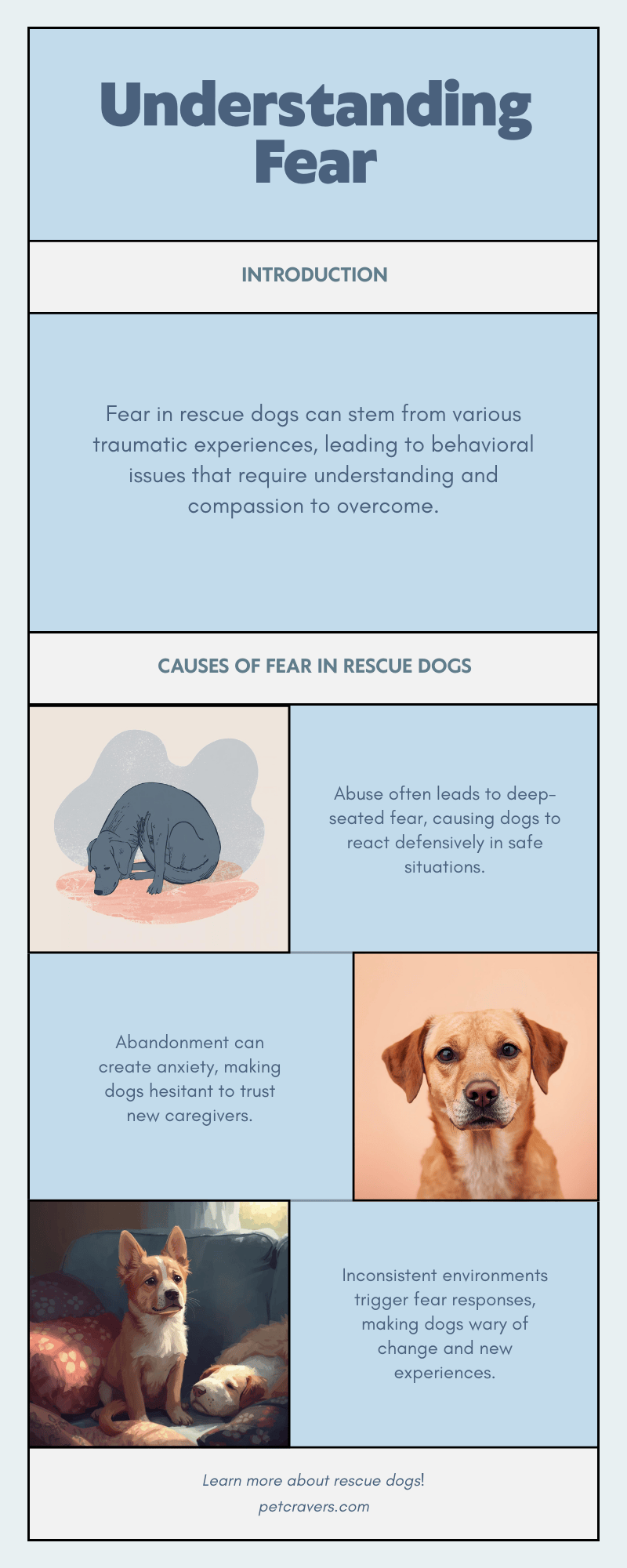
Fear in rescue dogs can arise from a variety of experiences:
- Abuse or Neglect: Dogs that have been physically or emotionally abused may associate humans with pain or punishment, making them naturally cautious or defensive.
- Abandonment or Loss: Dogs that have been left behind or separated from their family often feel insecure, leading to mistrust and anxiety.
- Inconsistent or Harsh Environments: Unpredictable care, chaotic homes, or frequent changes in caretakers can make dogs hyper-vigilant and wary of new situations.
- Lack of Socialization: Puppies that were not exposed to people, animals, or different environments early in life may struggle to adapt, exhibiting fear in unfamiliar situations.
Understanding these causes is crucial—it allows caregivers to respond with empathy and design interventions that address the root of the dog’s fear rather than just the surface behavior.
B. Behavioral and Physical Signs of Fear
Fear manifests in both subtle and overt ways. Recognizing these signals helps prevent misinterpretation and ensures the dog’s comfort:
Physical Signs:
- Cowering, lowered body posture, or tucked tail
- Trembling, shaking, or freezing in place
- Ears pinned back and pupils dilated
Behavioral Signs:
- Avoiding eye contact or turning away
- Growling, barking, or snapping when approached
- Hiding or retreating from people or other animals
- Sudden withdrawal from previously safe areas or activities
C. Why Fear Can Persist
Even after removal from a traumatic environment, fear can linger. Past experiences create lasting associations that affect how a dog perceives new people, places, and situations. Fear is not “bad behavior”—it’s a survival mechanism. Caregivers must approach fearful dogs with patience, providing consistent reassurance and opportunities for positive experiences to help the dog gradually unlearn fear-based responses.
By understanding the origins and signs of fear, caregivers can approach the transformation journey with sensitivity and insight, laying the groundwork for a rescue dog to become a confident, friendly companion.
Key Factors in Transformations
Transforming a fearful rescue dog into a friendly, confident companion doesn’t happen overnight. It requires a combination of patience, understanding, and strategic care. While every dog is unique, certain key factors consistently support successful emotional transformations.

A. Safe and Predictable Environments
A stable, calm environment is the first step in helping a dog feel secure. Fearful dogs often feel overwhelmed by sudden changes, loud noises, or unfamiliar spaces. Providing a quiet corner, comfortable bedding, and a designated safe area allows the dog to decompress and explore at their own pace. Consistency in daily routines—feeding times, walks, and play sessions—helps the dog anticipate positive experiences and reduces anxiety.
B. Patience and Respect for Boundaries
Trust cannot be rushed. Caregivers must respect the dog’s comfort levels and allow them to initiate interactions. Forcing contact or expecting immediate affection can reinforce fear and mistrust. Simple actions like letting the dog approach you, observing body language, and avoiding looming gestures communicate respect and create a foundation for trust.
C. Positive Reinforcement and Rewards
Rewarding calm and friendly behaviors encourages the dog to repeat them. Positive reinforcement can include:
- Treats that the dog finds appealing
- Gentle praise in a calm, encouraging tone
- Slow, affectionate petting when the dog is receptive
Timing is essential—rewards should immediately follow the behavior to help the dog make the connection between trustful actions and positive outcomes.
D. Socialization and Gradual Exposure
Introducing a fearful dog to new people, animals, or environments should be done gradually. Overwhelming the dog can reinforce anxiety. Start with controlled exposure to one new element at a time, rewarding calm and confident responses. Gradual socialization helps the dog build confidence while associating new experiences with safety and positivity.
E. Human Consistency and Emotional Support
A calm, reliable caregiver presence is crucial for transformation. Dogs are highly sensitive to human energy; a patient and consistent human helps them feel secure and valued. Daily interactions that are predictable, gentle, and positive teach the dog that humans can be trusted, reinforcing friendliness and reducing fear.
Stories of Transformation
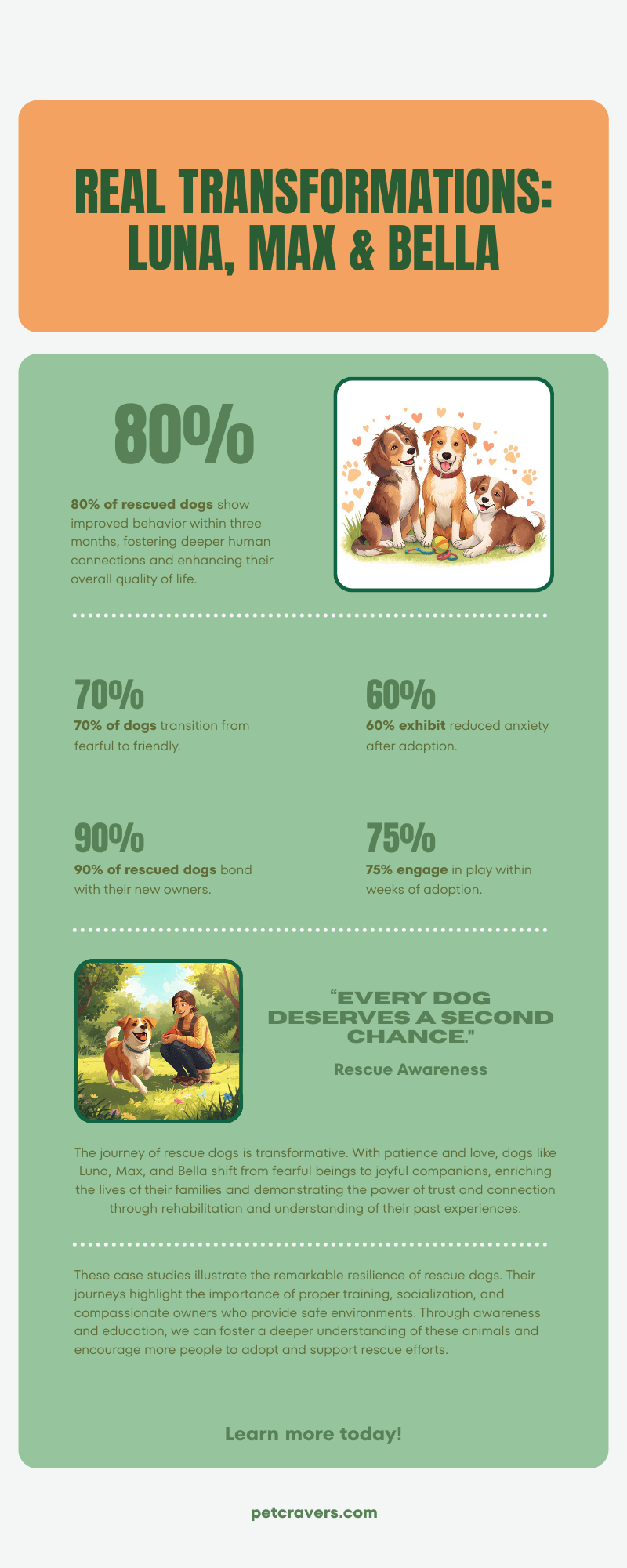
The most inspiring part of working with rescue dogs is witnessing their journey from fear to friendliness. Each transformation is unique, but the stories below illustrate how patience, consistency, and love can help even the most anxious dogs blossom into confident companions.
A. Case Study 1: From Hiding to Hugging
Background: Luna, a two-year-old mixed-breed, arrived at the shelter terrified of human touch. She would retreat to corners and flinch when approached, often hiding under furniture.
Transformation Steps:
- Caregivers created a quiet, safe space with bedding and toys.
- Luna was allowed to approach on her own terms, without forced interactions.
- Positive reinforcement with high-value treats rewarded any signs of calm behavior.
Breakthrough Moment: After several weeks, Luna tentatively leaned against her caregiver while receiving gentle petting—a first sign of trust.
Outcome: Today, Luna actively seeks affection, enjoys playtime, and confidently interacts with both humans and other dogs, demonstrating a complete turnaround from her initial fear.
B. Case Study 2: From Growling to Greeting
Background: Max, a rescue from an abusive environment, exhibited fear-based aggression. He would growl and snap whenever someone approached, even if food or toys were offered.
Transformation Steps:
- Max was introduced to consistent routines and calm human interactions.
- Gradual desensitization was applied—he was slowly exposed to hands and voices in controlled, positive ways.
- Every small sign of calm or curiosity was rewarded with praise and treats.
Breakthrough Moment: Max’s first friendly greeting came when he wagged his tail and approached a visitor voluntarily—a huge leap from his defensive behavior.
Outcome: Max now greets new people with curiosity and playfulness, showing that even dogs with fear-aggression can develop trust with careful guidance.
C. Case Study 3: From Avoiding Touch to Playful Companion
Background: Bella, a small terrier mix, was shy and would avoid any form of touch. She was hesitant to explore new environments and often froze in unfamiliar situations.
Transformation Steps:
- Bella’s caregiver respected her boundaries while offering safe exploration opportunities.
- Interactive play with toys and slow, gentle encouragement helped her associate humans with positive experiences.
- Regular positive reinforcement for each small step of engagement reinforced trust.
Breakthrough Moment: Bella first initiated play by bringing a toy to her caregiver—a clear sign that she felt safe and wanted connection.
Outcome: Bella now eagerly plays, seeks attention, and comfortably interacts with both humans and other dogs, illustrating how fear can transform into joy and friendliness.
Common Themes Across Transformations
While every rescue dog’s journey from fear to friendliness is unique, certain recurring themes emerge from successful transformations. Recognizing these patterns helps caregivers understand what strategies work best and how to apply them to their own dogs.
A. Small, Consistent Steps Matter
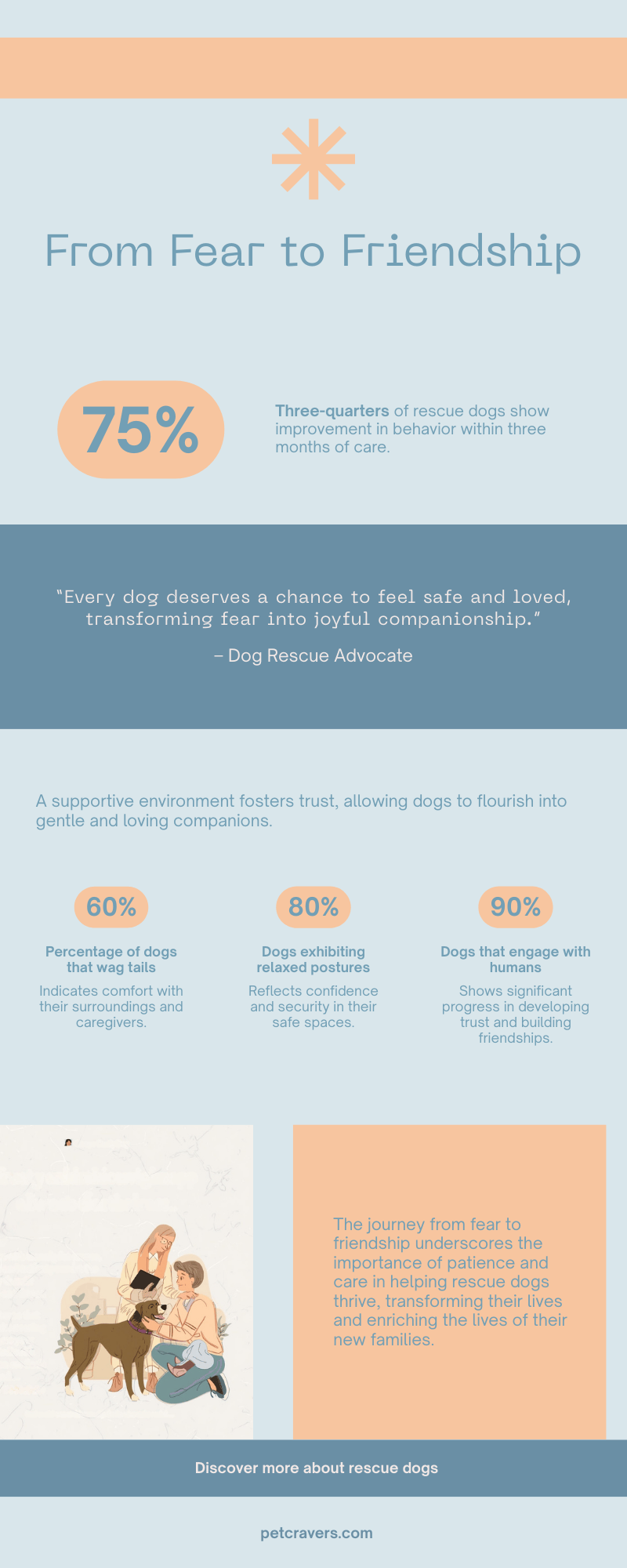
Progress is often gradual, with small victories building upon one another. From tentative approaches to relaxed body language, each positive interaction reinforces the dog’s confidence. Caregivers who celebrate these incremental steps help the dog associate humans and their environment with safety and positivity.
B. Patience is Key
Transformation takes time. Fearful dogs may have setbacks or moments of regression, but a calm, patient caregiver provides the stability and reassurance necessary for continued growth. Patience ensures that the dog never feels rushed or pressured, fostering genuine trust rather than forced compliance.
C. Individualized Approaches Work Best
No two dogs respond the same way to fear. What works for one dog may not work for another, highlighting the importance of observing and adapting strategies based on the dog’s personality, history, and comfort level. Flexibility in approach helps maximize positive outcomes.
D. Positive Reinforcement Strengthens Bonds
Rewarding trustful behavior—through treats, praise, gentle touch, or play—reinforces the dog’s confidence and encourages repetition of positive behaviors. This method builds a cycle of trust where the dog feels safe to explore, interact, and engage socially.
E. Emotional Growth is Mutual
The transformation from fearful to friendly is not just a change in the dog—it affects the caregiver as well. Witnessing these breakthroughs fosters a deep emotional connection, a sense of fulfillment, and a stronger bond that benefits both dog and human.
By observing these common themes, caregivers can better understand the dynamics of trust-building and apply effective strategies to help more rescue dogs experience the joy of transformation.
Lessons for Caregivers
Helping a fearful rescue dog transform into a friendly, confident companion requires more than just time—it requires knowledge, empathy, and deliberate actions. The stories of transformation reveal valuable lessons that caregivers can apply to guide their own dogs successfully.
A. Recognize and Celebrate Small Signs of Trust
Even the tiniest gestures—like a relaxed posture, a gentle sniff, or a tentative approach—are milestones. Acknowledging and rewarding these behaviors encourages repetition and reinforces the dog’s confidence. Celebrating small victories keeps both the dog and caregiver motivated throughout the journey.
B. Avoid Forcing Interactions
Forcing affection, attention, or play can backfire, reinforcing fear rather than trust. Caregivers should allow the dog to initiate contact, making sure all interactions occur at the dog’s pace. Respecting boundaries communicates safety and helps the dog feel in control.
C. Maintain Consistency and Predictability
Routine matters. Consistent feeding schedules, walks, playtimes, and training sessions create a predictable environment, which reduces stress and fosters trust. Dogs thrive when they can anticipate what comes next and rely on their caregiver’s stability.
D. Use Positive Reinforcement Thoughtfully
Rewarding desired behaviors—whether through treats, praise, or gentle petting—strengthens the bond and reinforces trust. Timing is critical: rewards should immediately follow the behavior so the dog clearly associates their actions with positive outcomes.
E. Practice Patience and Flexibility
Transformation rarely happens in a straight line. Dogs may have setbacks or display hesitant behaviors even after making progress. Patience, combined with flexibility to adapt strategies to each dog’s personality and comfort level, ensures steady progress and long-term success.
F. Value Emotional Connection
The journey from fear to friendliness is as much about emotional bonding as it is about behavior. Caregivers who provide empathy, understanding, and calm support help the dog feel safe emotionally, fostering a deeper, lasting relationship.
By incorporating these lessons, caregivers can provide the guidance, reassurance, and structure needed to help fearful rescue dogs blossom into confident, loving companions.
Conclusion
The journey from fear to friendliness in rescue dogs is a remarkable testament to resilience, patience, and love. Each transformation begins with understanding the dog’s past, recognizing the signs of fear, and creating a safe, consistent environment where trust can flourish. Small victories—tentative approaches, relaxed body language, or playful interactions—mark significant steps in a dog’s emotional growth.
The stories of Luna, Max, and Bella demonstrate that with empathy, positive reinforcement, and patience, even the most fearful dogs can become confident, loving companions. These transformations are not just about changing behavior—they are about building genuine bonds founded on trust, security, and mutual respect.
For caregivers, the journey requires dedication, observation, and adaptability. Celebrating each milestone, respecting boundaries, and providing consistent support are the keys to helping a dog feel safe enough to explore, connect, and thrive.
Ultimately, these stories remind us that with time, love, and understanding, fearful dogs can discover joy, confidence, and friendship. Each transformation is a celebration of resilience—both for the dogs and for the humans who guide them—and a powerful reminder of the profound impact compassionate caregiving can have on a rescue dog’s life.




Leave a Reply