
Introduction
When you bring home a new puppy, you’re not just welcoming an adorable ball of fur—you’re also shaping the dog they will become for the rest of their life. Puppies don’t automatically grow into confident, well-behaved dogs; they need guidance, exposure, and positive experiences during their early weeks of development. This stage, known as the critical socialization period, is one of the most important times in your puppy’s life.
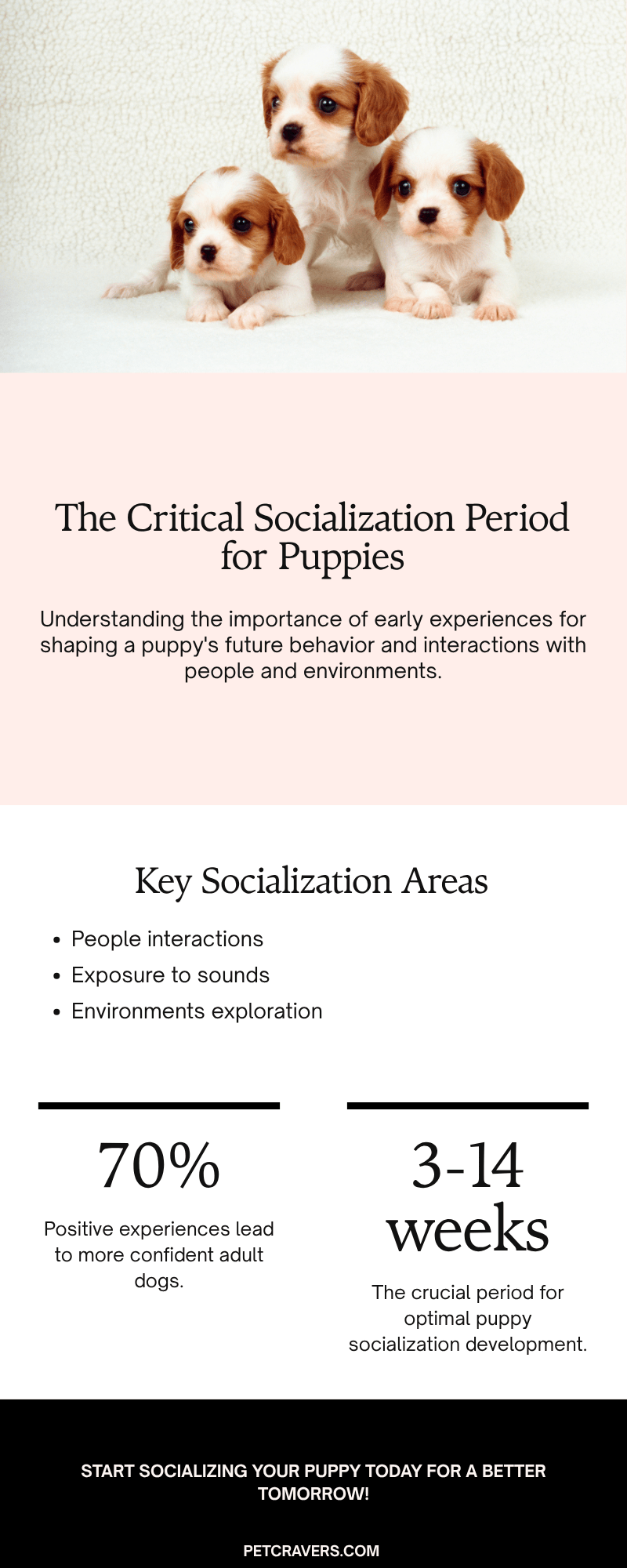
Lasting only a few short weeks, typically from 3 to 14 weeks of age, this window plays a major role in determining how your dog will interact with people, other animals, and the world around them. Puppies who receive proper socialization during this time are far more likely to grow into friendly, adaptable, and emotionally balanced adult dogs. On the other hand, missed opportunities can lead to shyness, fear, or even behavioral problems later on.
In this post, we’ll explore what the critical socialization period is, why it matters so much, and how you can make the most of it to raise a happy and confident canine companion.
What Is the Critical Socialization Period?
The critical socialization period refers to a short but powerful developmental window in a puppy’s life when their brain is especially open to learning about the world. During this time, puppies are like little sponges—curious, adaptable, and eager to form positive associations. Experts generally agree that this period occurs between 3 and 14 weeks of age, though some dogs may remain receptive a bit longer, up to around 16 weeks.
In these weeks, a puppy’s experiences help “set the tone” for how they will respond to people, animals, sounds, environments, and handling throughout their life. For example, a puppy who meets children during this stage is more likely to feel comfortable around kids as an adult. On the flip side, a puppy who isn’t exposed to common sights and sounds—like vacuum cleaners, traffic, or other pets—may grow up fearful or reactive when encountering them later.
It’s important to note that this doesn’t mean training and socialization end after 14 weeks. Instead, this period is considered the foundation: a crucial opportunity to prevent fear-based behaviors before they take root. Puppies who have safe, positive experiences during this stage are far better prepared to handle the unexpected, adapt to change, and grow into confident companions.
Why Socialization Matters for Puppies
Socialization isn’t just about making your puppy “friendly”—it’s about teaching them how to feel safe and confident in a wide variety of situations. The experiences a puppy has during their early weeks shape how they view the world for the rest of their life. Without proper socialization, even the sweetest puppy can grow into a fearful or reactive adult dog.
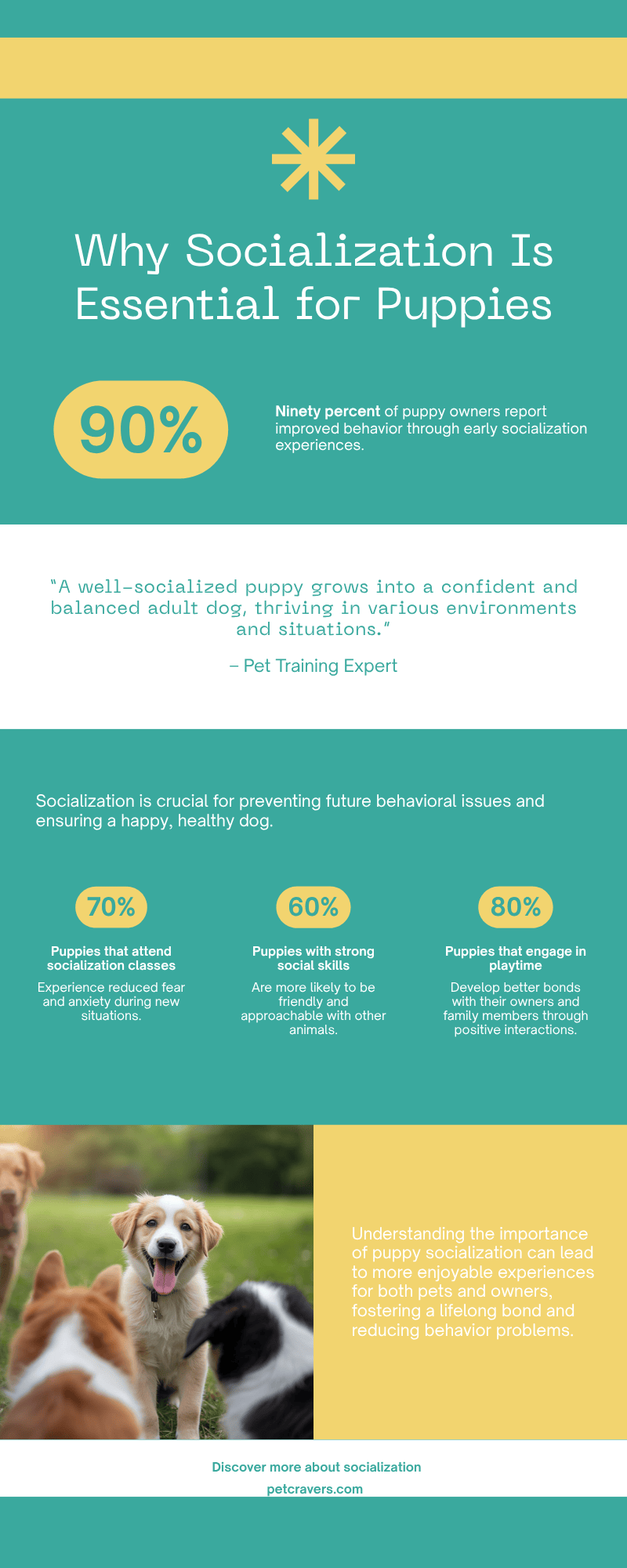
Here are some of the key reasons why socialization is so important:
- Prevents Fear and Anxiety
Puppies that are introduced to different sights, sounds, people, and environments early on are less likely to develop fear-based behaviors. A vacuum cleaner, thunderstorm, or a visit to the vet is far less scary if your puppy has already had calm, positive experiences with them. - Encourages Confidence and Adaptability
A well-socialized puppy learns that new experiences aren’t threats, but opportunities. This makes them more flexible and able to cope with changes—whether that’s moving to a new home, meeting strangers, or being around other pets. - Reduces the Risk of Aggression
Many cases of aggression in adult dogs are rooted in fear. Puppies that don’t learn to trust people or other dogs during their critical period may see them as potential threats later. Socialization helps your puppy develop trust and comfort, lowering the risk of future behavioral issues. - Strengthens the Bond with Owners
Exposing your puppy to the world together builds trust and companionship. When your puppy looks to you for reassurance during new experiences, it deepens your relationship and sets the stage for lifelong teamwork.
In short, proper socialization is like giving your puppy a “toolbox” full of coping skills. With it, they can handle life’s challenges with ease. Without it, the world may feel overwhelming, leading to fear, stress, or even aggression.
Key Experiences During the Socialization Period
The goal of socialization is to help your puppy build positive associations with the people, places, and things they’ll encounter throughout their life. During the critical period, it’s best to introduce your puppy to as many safe, varied experiences as possible—always at their pace and in a calm, positive way.
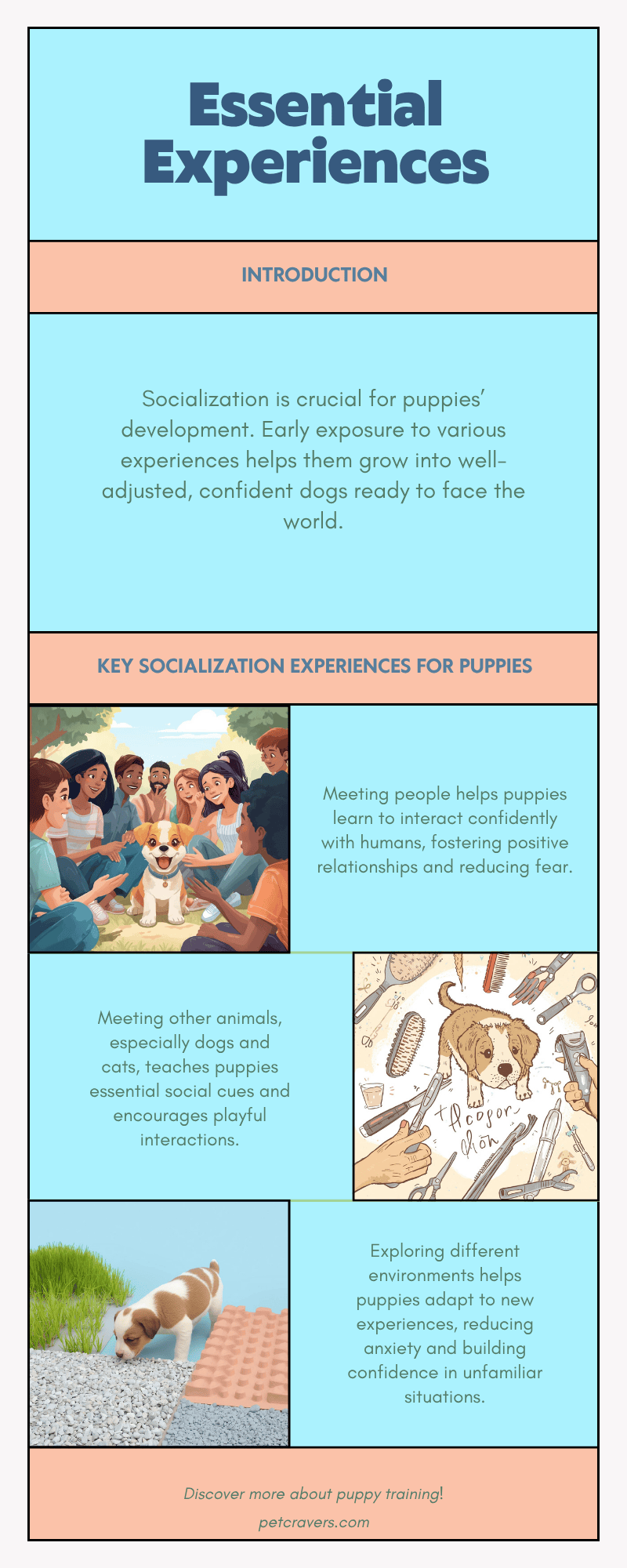
Here are some of the most important areas to focus on:
1. Meeting People
- Introduce your puppy to people of all ages, sizes, and appearances—children, adults, seniors, people wearing hats or glasses, people carrying umbrellas.
- Encourage gentle interactions so your puppy learns that new humans are friendly, not frightening.
2. Other Dogs and Animals
- Allow your puppy to meet calm, vaccinated adult dogs and, if possible, other puppies.
- Exposure to other species (like cats, rabbits, or livestock, depending on your environment) can also help reduce future reactivity.
- Supervise all interactions so they remain positive and safe.
3. Environments and Surfaces
- Let your puppy walk on different textures: grass, tile, gravel, sand, carpet, wood floors.
- Safely expose them to different places: a friend’s home, the sidewalk, car rides, or even the vet’s waiting room.
- These experiences teach them that unfamiliar spaces are normal and not scary.
4. Everyday Sounds
- Household noises: vacuum cleaners, hair dryers, doorbells, kitchen clatter.
- Outdoor sounds: traffic, construction, barking dogs, kids playing.
- Start with low volume and gradually increase to help them adjust.
5. Handling and Grooming
- Gently touch their paws, ears, tail, and mouth so they get used to being handled by vets and groomers.
- Practice calm nail clipping, brushing, and teeth checks early.
- Use treats and praise to make these experiences enjoyable.
By giving your puppy these positive introductions, you’re essentially teaching them that “new and different” means “safe and rewarding.” This confidence will carry over into adulthood, making them easier to train, calmer in new situations, and more fun to live with.
How to Safely Socialize Your Puppy
Socialization during the critical period is all about creating positive experiences—not just exposing your puppy to everything at once. Puppies are still developing physically and emotionally, so safety and patience are key. Done right, you’ll help your puppy build confidence without overwhelming them.
1. Balance Socialization with Health Concerns
- Vaccinations matter: Puppies don’t complete their vaccination series until around 16 weeks. This means you’ll need to be selective about where you take them.
- Safe environments: Carry your puppy in public until they’re fully vaccinated, or arrange playdates with healthy, vaccinated dogs in clean, private spaces.
- Controlled exposure: You don’t need dog parks at this stage; instead, focus on calm, structured introductions.
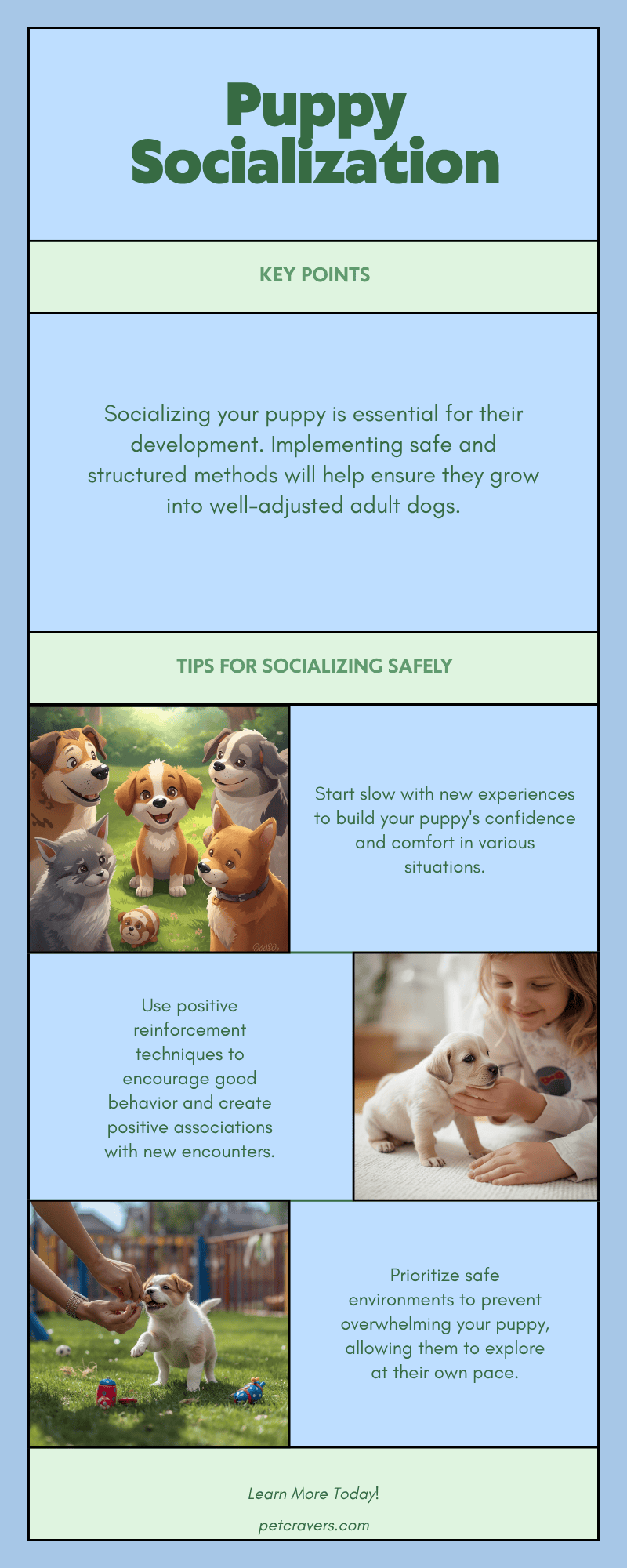
2. Start Slow and Gentle
- Introduce one new experience at a time.
- Keep sessions short (a few minutes is often enough).
- If your puppy seems nervous, step back, give them space, and try again later.
3. Use Positive Reinforcement
- Reward curiosity and calm behavior with treats, praise, or play.
- Let your puppy take the lead—never force them into an interaction.
- Pair new experiences with something they love (e.g., offering a treat when hearing a loud noise).
4. Watch for Overwhelm
- Signs of stress: tucked tail, trembling, yawning, hiding, or trying to escape.
- If your puppy shows these, slow down, create distance, and try a gentler approach next time.
- Always aim to end experiences on a positive note.
5. Make It Fun and Varied
- Expose your puppy to both routine situations (like household noises) and less common experiences (like wearing a harness, visiting the vet, or seeing bicycles).
- Keep it lighthearted—play games, bring toys, and turn new experiences into adventures.
By carefully managing this balance, you’ll avoid the two extremes that can cause problems: not enough exposure (leading to fear) and too much, too fast (leading to overwhelm). The key is consistency and positivity, not rushing.
Common Mistakes Owners Make
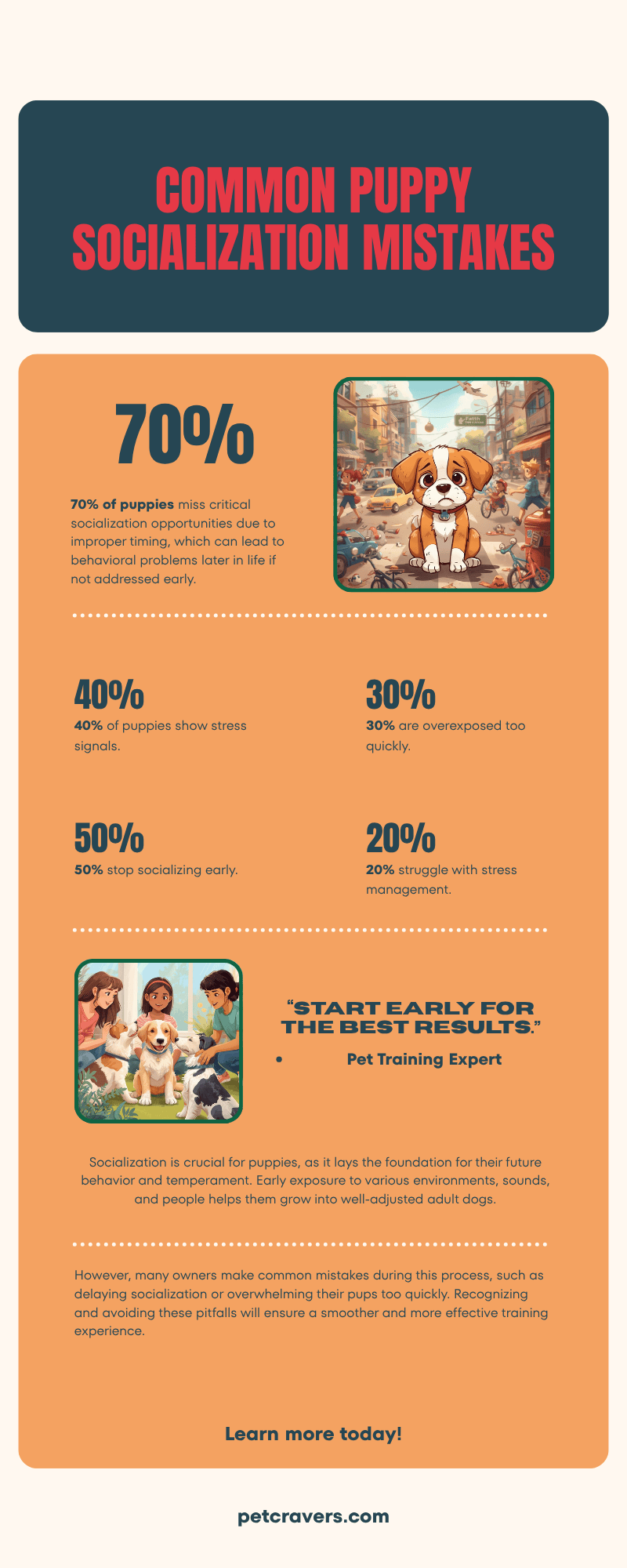
Even with the best intentions, many puppy owners accidentally sabotage socialization efforts. The critical socialization period is short, so missteps during this time can leave lasting effects. Here are some of the most common mistakes to avoid:
1. Waiting Too Long
Some owners assume they should wait until their puppy is fully vaccinated (around 16 weeks) before introducing them to the world. Unfortunately, by then, the most sensitive socialization window has already closed. While health precautions are important, you can still socialize your puppy safely through controlled environments, carry-them-out outings, and visits with trusted, vaccinated dogs.
2. Overexposing Too Quickly
Trying to cram too many new experiences into a short time can overwhelm a puppy. Forcing them into loud crowds, chaotic dog parks, or rough play with larger dogs can create fear instead of confidence. Quality is more important than quantity—focus on calm, positive introductions, not sheer numbers.
3. Assuming Socialization Ends at 14 Weeks
While the critical window is most influential, socialization should continue well into adolescence and adulthood. Stopping too early can cause puppies to regress, becoming fearful of new situations later. Think of the critical period as the foundation, not the finish line.
4. Ignoring Body Language
Many owners miss the subtle signs that a puppy is stressed—lip licking, yawning, pinned ears, or trying to move away. Pushing past these signals can backfire, teaching the puppy that new experiences are scary. The golden rule: let your puppy set the pace.
5. Not Including Enough Variety
Some puppies only meet close family or other household pets. While that’s a start, it’s not enough. They also need exposure to strangers, children, different dog breeds, sounds, and environments. A narrow social circle can lead to reactivity later.
6. Using Punishment Instead of Reassurance
Scolding a puppy for being fearful only reinforces their anxiety. Instead, offer comfort, distance, and positive reinforcement to help them feel safe. Confidence is built through trust, not correction.
By avoiding these pitfalls, you’ll set your puppy up for success and ensure their early experiences build resilience, not fear.
What Happens If Puppies Miss This Period?
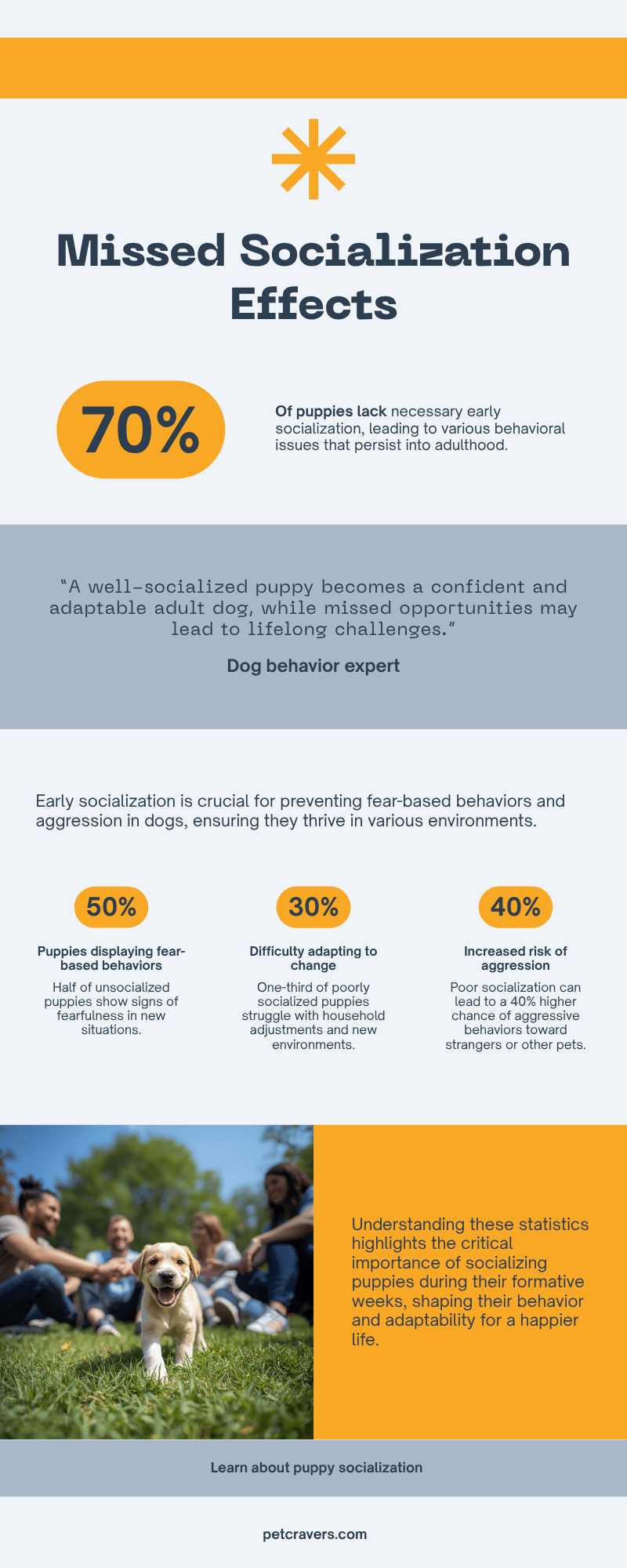
The critical socialization period is short, and once it passes, the puppy’s brain becomes less flexible when it comes to accepting new experiences. Puppies who miss out on socialization during this window often grow into dogs who are fearful, cautious, or even aggressive toward unfamiliar situations.
1. Increased Risk of Behavioral Problems
- Dogs may bark excessively, lunge, or growl at strangers, new dogs, or unusual objects.
- Everyday sounds like vacuum cleaners, fireworks, or car horns can trigger panic.
- They may resist handling, making grooming and veterinary care stressful.
2. Difficulty Adapting to Change
- A poorly socialized puppy may feel unsafe in new environments, such as moving homes or visiting a friend’s house.
- Travel, boarding, or even a simple car ride can become overwhelming.
3. Possible Aggression from Fear
- Many aggression cases in adult dogs stem from fear, not dominance.
- When a dog hasn’t learned that people, dogs, or experiences are safe, they may respond defensively.
4. Can Progress Still Be Made Later?
Yes—while it’s harder, it’s not hopeless. Adult dogs can still learn, but the process requires more time, patience, and structured training. With consistent positive reinforcement, slow exposure, and sometimes help from a professional trainer or behaviorist, even fearful dogs can gain confidence.
Think of it this way: during the critical socialization window, puppies are like blank slates—eager to accept new information. After that period, they’re more like a notebook with pages already written; you can still add new experiences, but it takes extra care to avoid clashing with what’s already there.
5. Prevention Is Easier Than Correction
Helping a young puppy have safe, positive experiences early on saves years of stress later—for both the dog and the owner. Correcting deep-seated fears or aggression in adulthood is possible but requires far more effort and commitment than simply laying a strong foundation in puppyhood.
Continuing Socialization Beyond Puppyhood
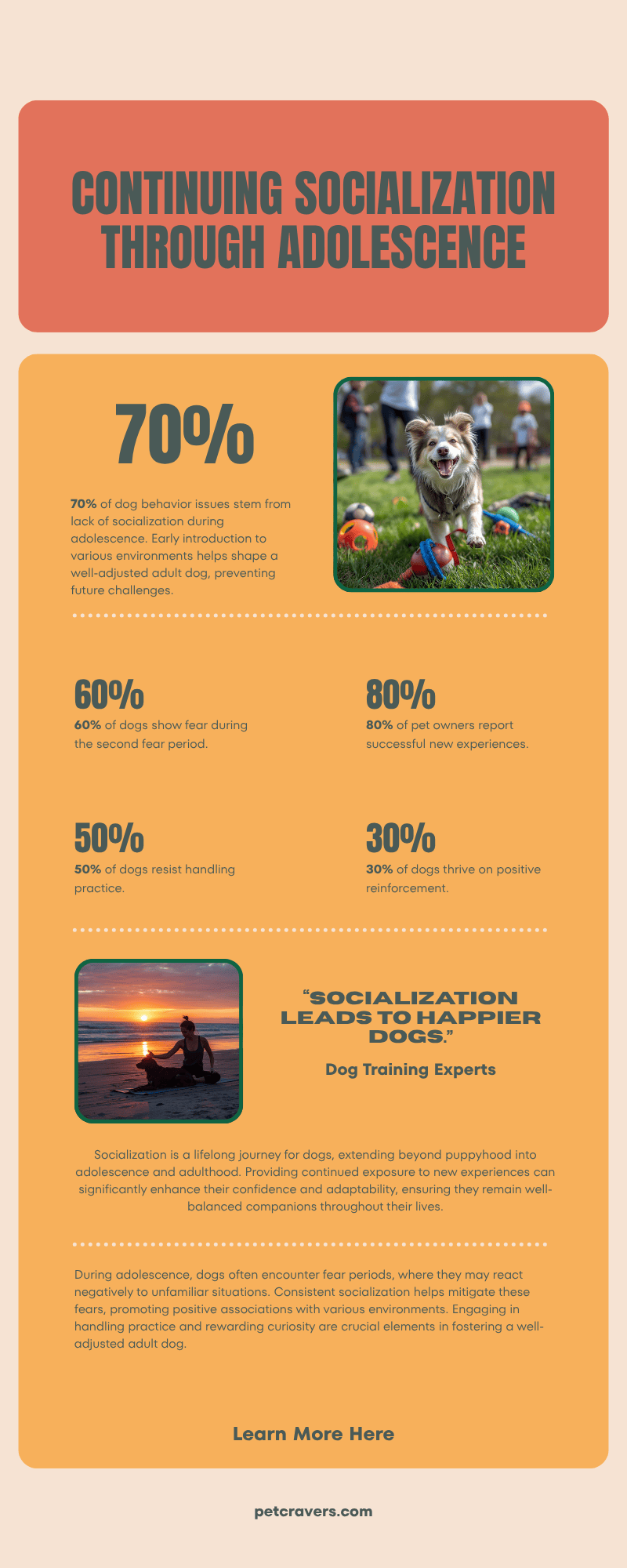
While the critical socialization window (3–14 weeks) lays the foundation, socialization doesn’t end when your puppy grows older—it’s an ongoing process throughout their life. Just like people, dogs continue to learn and adapt from every new experience. A well-socialized puppy who isn’t exposed to new things as they grow can still develop fear, reactivity, or anxiety later.
1. Adolescence and the “Second Fear Period”
- Many dogs experience a second sensitive stage during adolescence (around 6–14 months).
- During this time, they may suddenly become wary of things they were previously comfortable with.
- Gentle, positive exposure during this stage helps them mature into stable, confident adults.
2. Make Socialization Part of Daily Life
- Continue introducing your dog to new people, environments, and situations as they grow.
- Regular walks in different neighborhoods, visits to dog-friendly cafés, or calm introductions to visitors at home all reinforce social skills.
- Even simple variations—like walking on different surfaces or trying new routes—keep their confidence fresh.
3. Maintain Positive Associations
- Use treats, toys, or praise to reward calm behavior in new situations.
- Encourage curiosity, but never force your dog into something they fear.
- If your dog shows hesitation, step back, let them observe, and reward small steps forward.
4. Practice Handling and Care
- Keep practicing grooming routines, nail trims, and vet-style checkups at home.
- This ensures your dog remains comfortable with being touched and handled throughout life.
5. Lifelong Benefits
Dogs who continue to socialize remain more adaptable, relaxed, and easygoing companions. They’re better prepared to handle changes—whether it’s moving to a new home, welcoming a baby, or traveling with the family. Ongoing socialization isn’t just about preventing problems; it’s about giving your dog a richer, happier life.
Final Thoughts
The critical socialization period for puppies may only last a few short weeks, but its impact lasts a lifetime. During this window, puppies are shaping their understanding of the world—deciding what’s safe, what’s scary, and how they’ll react to new experiences as adults. By guiding them with patience, positivity, and consistency, you’re not just teaching them manners—you’re giving them the confidence to live happily in a human world.
Remember:
- Start early, but always keep experiences safe and positive.
- Avoid overwhelming your puppy—slow, gentle exposure is best.
- Continue socialization beyond the first few months; it’s a lifelong process.
A well-socialized puppy grows into a dog who is confident, adaptable, and a joy to live with. On the other hand, missing this opportunity can lead to years of stress and behavior challenges. Prevention truly is easier—and far more rewarding—than correction.
So if you’ve just brought home a puppy, start today. Introduce them to new people, places, and sounds in a safe, reassuring way. Celebrate their little victories. Each positive experience you give them now builds the foundation for a lifetime of trust, happiness, and companionship.
After all, raising a dog isn’t just about teaching commands—it’s about giving them the confidence to thrive by your side.



Leave a Reply