 Skip to content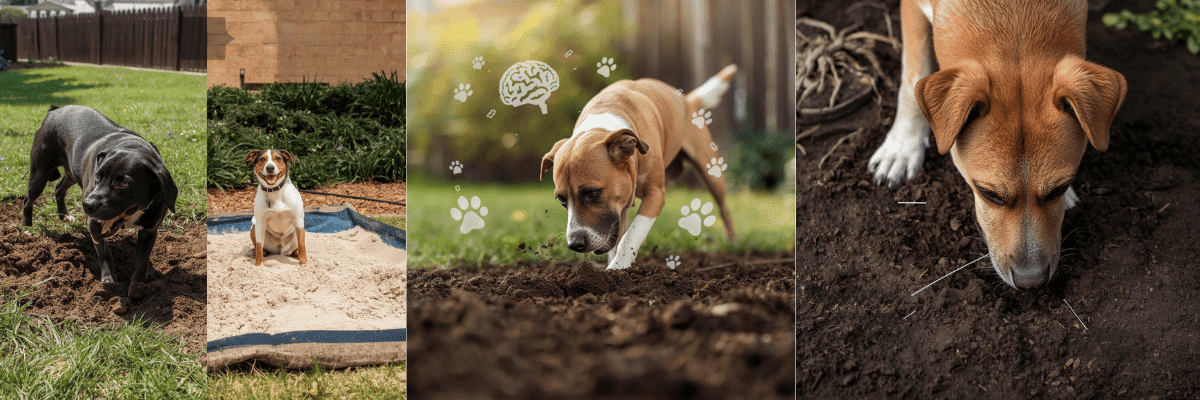
Introduction
Digging is one of the most common behaviors that dog owners notice, and while it can sometimes seem harmless or even playful, it often becomes a source of frustration when lawns, gardens, or flowerbeds are destroyed. Understanding why dogs dig is key to addressing the behavior effectively and preventing damage while keeping your dog happy and mentally stimulated.
Dogs dig for many reasons, ranging from instinctual urges inherited from their wild ancestors to boredom, stress, or the desire to create a comfortable spot. Some dogs dig simply for fun, while others use it as a coping mechanism for anxiety or to seek attention. Recognizing the motivation behind the digging behavior allows owners to implement targeted strategies rather than relying on punishment, which is often ineffective and stressful for the dog.
In this post, we’ll explore the psychological and instinctive reasons behind digging, the common signs of problematic digging, and practical strategies to prevent or manage it. Whether your dog is digging out of boredom, stress, or natural instincts, understanding the “why” is the first step in teaching them where—and when—it’s appropriate to dig.
By learning to interpret your dog’s behavior and providing alternatives, you can maintain a healthy yard, reduce frustration, and strengthen your bond with your furry companion.
Why Dogs Dig: Psychological & Instinctive Reasons
Digging is a natural behavior for many dogs, rooted in both instinct and psychology. Understanding these underlying motivations is essential for addressing the behavior effectively.

1. Instinctual Behavior
- Digging is an inherited survival instinct from wild ancestors who dug to create shelters, hide food, or hunt for prey.
- Certain breeds, especially terriers and hounds, have stronger digging instincts due to their historical roles in hunting and burrowing.
2. Boredom & Excess Energy
- Dogs with insufficient physical or mental stimulation may dig as a way to entertain themselves.
- High-energy breeds, like retrievers and shepherds, are particularly prone to digging when not exercised or mentally challenged.
3. Attention-Seeking
- Some dogs learn that digging captures their owner’s attention, even if it’s negative attention like scolding.
- Dogs may repeat this behavior to get interaction, making it a learned pattern reinforced over time.
4. Stress & Anxiety
- Digging can be a coping mechanism for anxious or stressed dogs, including those suffering from separation anxiety.
- Signs often include pacing, whining, and repetitive digging in one area.
5. Hunting & Prey Drive
- Dogs with a strong prey drive dig to uncover hidden animals, insects, or burrowing creatures.
- This behavior is often seen in yards with small rodents, lizards, or insects that trigger their instinct to dig and hunt.
6. Comfort & Temperature Regulation
- Dogs may dig to create cool, shaded spots during hot weather or sheltered areas for resting.
- This is particularly common in outdoor dogs seeking relief from heat or damp soil for comfort.
7. Nesting Behavior
- Pregnant females or certain breeds may dig to prepare a safe “nesting” area.
- Nesting behavior is instinctual and is often accompanied by pacing, rearranging bedding, or scratching.
Understanding the reason behind digging is crucial because the solution differs depending on the motivation. A bored dog needs more exercise, while an anxious dog may need reassurance and environmental modifications.
Common Signs of Problematic Digging
While occasional digging can be harmless, persistent or destructive digging can indicate a problem. Recognizing the warning signs helps you address the behavior before it causes significant damage or stress.

1. Repeated Digging in Specific Areas
- Dogs may consistently target lawns, flowerbeds, or garden areas.
- This repetitive behavior suggests that the dog is either seeking comfort, attention, or stimulation in that spot.
2. Vocalizations While Digging
- Barking, whining, or growling while digging may indicate excitement, frustration, or stress.
- Observing accompanying sounds helps identify whether the behavior is playful or anxiety-driven.
3. Destruction of Lawns, Gardens, or Flowerbeds
- Digging that damages plants, turf, or landscaping is a clear sign of problematic behavior.
- This type of digging often requires immediate intervention to prevent ongoing property damage.
4. Digging Indoors or Around Restricted Areas
- Dogs that dig inside the home, near doors, or in crates may be expressing stress, boredom, or separation anxiety.
- Indoor digging is particularly concerning as it often escalates if left unaddressed.
5. Excessive Time Spent Digging
- Spending prolonged periods digging, rather than engaging in other normal activities, can indicate underlying behavioral or emotional issues.
👉 Recognizing these signs early allows owners to identify the cause of digging and implement targeted solutions, rather than resorting to punishment that may exacerbate stress or anxiety.
Factors That Influence Digging
Not all dogs dig for the same reasons, and certain factors can make digging more likely or more problematic. Understanding these influences helps owners create effective strategies to manage the behavior.

1. Breed Tendencies
- Some breeds have strong digging instincts due to their historical roles.
- Terriers: Bred for hunting small burrowing animals; natural diggers.
- Hounds: Strong prey drives can lead to digging when tracking scents.
- Retrievers & Shepherds: High energy levels may manifest in digging if under-stimulated.
2. Age and Energy Level
- Puppies and young dogs often dig out of curiosity, playfulness, or excess energy.
- High-energy adult dogs may dig if they lack sufficient exercise or mental challenges.
- Older dogs may dig less, but digging can still occur if it serves comfort or nesting purposes.
3. Environmental Factors
- Temperature: Dogs may dig to find cool soil during hot weather or warm soil during colder periods.
- Unshaded Yards or Limited Space: Dogs confined to small or unstimulating areas are more likely to dig.
- Presence of Wildlife: Yard animals like rodents, insects, or lizards can trigger hunting-related digging.
4. Household Dynamics
- Multiple pets may compete for territory, leading to digging as a stress response.
- Children or high activity levels can excite a dog, prompting playful or attention-seeking digging.
- Inconsistent supervision or training can reinforce digging if the dog receives unintended attention.
👉 By understanding these influencing factors, owners can tailor solutions, such as providing sufficient exercise, designating a digging area, or modifying the environment to reduce triggers.
Strategies to Prevent or Reduce Digging
Managing digging requires a combination of exercise, training, environmental management, and enrichment. By addressing the root cause of the behavior, owners can reduce or redirect digging effectively.

1. Exercise & Mental Stimulation
- Provide daily walks, play sessions, and interactive games to release energy.
- High-energy breeds especially need both physical and mental challenges.
- Puzzle toys, treat-dispensing toys, and obedience training keep your dog engaged and reduce boredom-related digging.
2. Designated Digging Area
- Create a safe zone, like a sandbox or a specific patch of yard, where your dog is allowed to dig.
- Encourage digging in this area by burying toys or treats to make it rewarding.
- Gradually redirect digging away from restricted areas toward the designated spot.
3. Remove Temptations
- Protect flowerbeds, gardens, and other restricted areas with fencing, chicken wire, or barriers.
- Cover soil with mulch, rocks, or plant deterrents to make digging less appealing.
- Remove items that attract digging, such as rodents or buried objects.
4. Training & Positive Reinforcement
- Teach commands like “leave it,” “no dig,” or redirect to the designated digging area.
- Reward calm, non-digging behavior with treats, praise, or play.
- Avoid punishment, which can increase stress and worsen the problem.
5. Environmental Enrichment
- Rotate toys and provide new stimuli regularly to keep your dog mentally occupied.
- Use chew toys, scent games, and interactive play to divert attention from digging.
- Provide shade, water, and comfortable resting spots to reduce digging for temperature regulation.
6. Address Anxiety & Stress
- For dogs that dig due to anxiety or separation stress, implement calming routines, crate training, or gradual desensitization.
- Consult a behaviorist or veterinarian if anxiety-driven digging persists.
👉 Consistency is key: combining exercise, mental stimulation, and positive reinforcement can significantly reduce unwanted digging while satisfying your dog’s natural instincts.
When to Seek Professional Help
While many digging issues can be managed with exercise, training, and environmental adjustments, some situations require professional intervention. Seeking help early can prevent the behavior from becoming a long-term problem and ensure your dog’s well-being.
1. Persistent Digging Despite Training
- If your dog continues to dig after consistent exercise, enrichment, and redirection, a professional trainer or behaviorist can assess the root cause.
- They can develop a structured plan tailored to your dog’s personality, breed, and environment.
2. Digging Linked to Anxiety or Stress
- Dogs that dig due to separation anxiety or stress may also display destructive behavior, excessive barking, or pacing.
- A behaviorist can implement desensitization techniques, calming strategies, and routines to reduce anxiety-driven digging.
3. Aggression or Compulsive Behavior
- Some dogs may exhibit aggression when prevented from digging, or dig compulsively, which can indicate behavioral disorders.
- Early intervention prevents escalation and ensures the safety of both the dog and household members.
4. Underlying Medical Issues
- Sudden or excessive digging may be related to health problems, such as skin irritations, parasites, or neurological conditions.
- A veterinarian can rule out medical causes before assuming the behavior is purely behavioral.
5. Multi-Dog Household Conflicts
- If digging is part of territorial disputes or tension between multiple pets, professional guidance can help manage interactions and reduce stress.
👉 Consulting a professional trainer, behaviorist, or veterinarian ensures that digging is addressed safely and effectively. This approach provides long-term solutions while maintaining a healthy, happy relationship with your dog.
Conclusion
Digging is a natural behavior for dogs, rooted in instinct, curiosity, and psychological needs. While it can be entertaining or functional for your dog, it often becomes problematic when it damages lawns, gardens, or indoor spaces. Understanding why your dog digs is the first step in addressing the behavior effectively.
Key Takeaways:
- Identify the Cause: Digging may stem from instinct, boredom, stress, anxiety, or hunting drive. Observing your dog’s behavior helps pinpoint the reason.
- Breed & Age Matter: High-energy breeds and younger dogs are more prone to digging. Tailor solutions to your dog’s needs.
- Provide Alternatives: Designated digging areas, interactive toys, and sufficient exercise can redirect energy and satisfy natural instincts.
- Positive Reinforcement: Rewarding calm behavior or using commands like “leave it” is far more effective than punishment.
- Seek Help if Needed: Persistent, compulsive, or anxiety-related digging may require a trainer, behaviorist, or veterinarian for proper management.
By combining understanding, training, and environmental management, owners can reduce unwanted digging while still allowing dogs to express natural behaviors. Patience and consistency are key—your dog can learn where it’s appropriate to dig, keeping both your yard and your furry friend happy.





Leave a Reply