Introduction
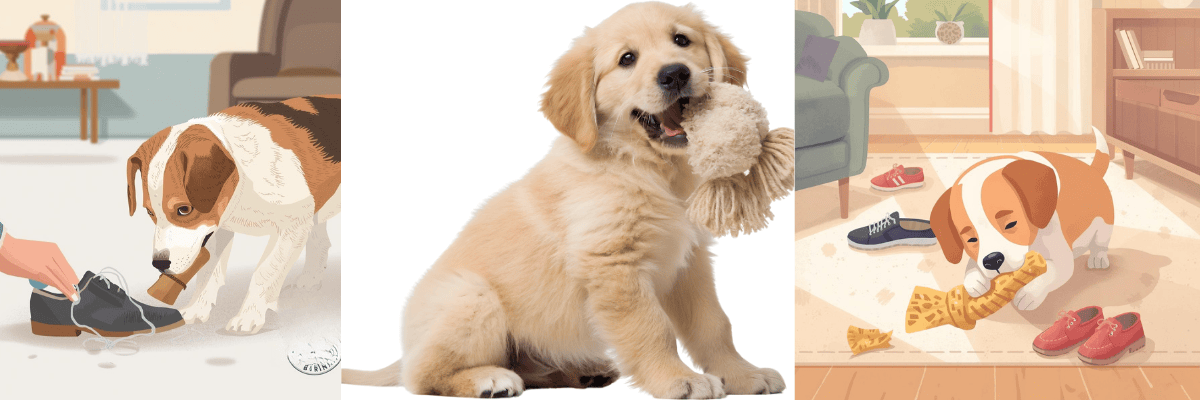
Chewing is a natural and instinctive behavior for dogs, but it can quickly become a frustrating problem for owners when it leads to damaged furniture, shoes, or other household items. While it may seem destructive, chewing actually serves several important purposes for dogs, from exploring their environment to relieving stress or teething discomfort.
Understanding why your dog chews is the first step toward addressing the behavior. Puppies chew to learn about the world and soothe sore gums, while adult dogs may chew out of boredom, anxiety, or even for attention. Without proper outlets and guidance, chewing can become habitual and destructive, creating tension in the home.
In this guide, we’ll explore the common reasons dogs chew, how chewing behavior changes across life stages, and practical strategies for redirecting chewing to appropriate outlets. By identifying the root cause and implementing consistent training and enrichment, you can help your dog satisfy their natural instincts without damaging your belongings, fostering a happier and healthier relationship.
Understanding Why Dogs Chew
Chewing is a natural and instinctive behavior for dogs, but the reasons behind it can vary depending on age, environment, and emotional state. Understanding the root cause is key to effectively managing and redirecting the behavior.

Common reasons dogs chew:
- Natural instinct and exploration:
- Puppies use their mouths to explore the world, much like human babies.
- Chewing helps them learn about textures, objects, and their environment.
- Teething:
- Puppies experience discomfort when new teeth emerge, leading them to chew for relief.
- Chewing on safe toys can soothe sore gums and prevent damage to household items.
- Stress and anxiety:
- Chewing can be a coping mechanism for dogs dealing with separation anxiety, fear, or stress.
- Signs of stress-induced chewing may include pacing, whining, or destructive behavior when left alone.
- Attention-seeking behavior:
- Dogs may chew to get a reaction from their owners, especially if it consistently elicits attention.
- Even negative attention can reinforce the behavior if the dog learns it results in interaction.
- Medical or dental reasons:
- Pain, oral discomfort, or dental issues can cause dogs to chew excessively.
- Always rule out health-related causes with a vet if chewing behavior is sudden or persistent.
By identifying the underlying reason for chewing, owners can choose appropriate strategies to redirect this natural behavior into safe, constructive outlets.
Chewing Behaviors at Different Life Stages
Chewing behavior in dogs changes as they grow, and understanding these stages helps owners provide the right guidance and outlets.

Puppies:
- Teething is the main cause of chewing in puppies.
- Chewing helps relieve sore gums and explore their environment.
- Puppies also learn bite inhibition and social boundaries through play with littermates and humans.
Adult Dogs:
- Chewing may be driven by boredom, stress, or pent-up energy.
- Adults often develop favorite objects to chew if no proper outlets are provided.
- Consistent training and enrichment are key to preventing destructive habits.
Senior Dogs:
- Older dogs may chew due to dental discomfort or cognitive changes.
- Chewing can be a way to cope with pain, stress, or confusion.
- Gentle toys and veterinary consultation can help manage this behavior.
Recognizing the stage-specific causes of chewing allows owners to tailor strategies, ensuring their dog’s natural instincts are safely and appropriately satisfied.
Identifying Triggers for Chewing
To effectively address destructive chewing, it’s important to identify the specific triggers that prompt your dog to chew. By understanding the root cause, you can implement targeted solutions.

Common chewing triggers include:
- Environmental triggers:
- Unattended items like shoes, clothing, or furniture within reach.
- Confined spaces that limit movement and exploration.
- Emotional triggers:
- Boredom: Dogs left alone without stimulation may chew to pass the time.
- Anxiety or stress: Separation anxiety or loud noises can lead to destructive chewing.
- Excitement or frustration: Puppies may chew when overly stimulated or frustrated.
- Dietary or physical needs:
- Lack of appropriate chew toys or outlets.
- Oral discomfort, teething, or underlying dental issues.
- Attention-seeking behavior:
- Dogs may chew objects if they learn it elicits a reaction from their owners.
By carefully observing when and where your dog chews, you can pinpoint triggers and implement strategies to redirect their behavior to safe, enjoyable outlets.
Providing Appropriate Chew Outlets
One of the most effective ways to manage chewing behavior is to provide safe and satisfying alternatives. Offering appropriate chew outlets helps your dog meet their natural instinct to chew without damaging household items.
Tips for providing chew outlets:
- Choose age-appropriate chew toys:
- Puppies: soft rubber or teething toys to soothe gums.
- Adult dogs: durable chew toys like Kongs or nylon bones for longer-lasting engagement.
- Rotate toys regularly:
- Keep your dog interested by offering different toys on different days.
- Rotate toys to maintain novelty and prevent boredom.
- Interactive and treat-dispensing toys:
- Toys that release treats or puzzle toys engage your dog mentally and physically.
- These toys provide stimulation and reward, making chewing a positive activity.
- Designated chew areas:
- Encourage your dog to chew in specific areas of the home, creating a clear boundary between safe and off-limits items.
By providing appropriate chew outlets, you redirect your dog’s natural behavior in a positive and productive way, reducing frustration for both you and your dog.
Training Techniques to Stop Destructive Chewing
Effective training is key to teaching your dog which items are appropriate to chew and which are off-limits. Consistency, patience, and positive reinforcement are essential to success.

Training strategies:
- Positive reinforcement:
- Reward your dog with treats, praise, or play when they chew on appropriate toys.
- Reinforces the behavior you want rather than punishing unwanted chewing.
- Deterrents:
- Apply safe bitter sprays or other deterrents to items you want your dog to avoid.
- The unpleasant taste discourages chewing while keeping your dog safe.
- Redirection:
- If you catch your dog chewing an inappropriate item, calmly redirect them to a suitable toy.
- Praise them for switching to the correct object.
- Consistency and supervision:
- Supervise your dog until they reliably understand which items are off-limits.
- Avoid leaving tempting objects where the dog can access them unsupervised.
- Structured training sessions:
- Short, frequent sessions help reinforce chewing boundaries.
- Pair training with mental stimulation and exercise for better results.
Using these techniques consistently helps your dog learn appropriate chewing behavior, preventing frustration and protecting your belongings.
Managing Boredom and Anxiety
Many dogs chew excessively due to boredom or anxiety, making it crucial to address these underlying causes alongside training. A mentally and physically stimulated dog is less likely to engage in destructive chewing.
Strategies to manage boredom and anxiety:
- Increase exercise:
- Daily walks, playtime, and interactive games burn energy and reduce stress.
- A tired dog is more likely to rest than chew destructively.
- Mental stimulation:
- Puzzle toys, treat-dispensing toys, and training exercises challenge the mind.
- Mental engagement helps prevent boredom-driven chewing.
- Scheduled playtime:
- Set predictable routines for exercise, play, and rest.
- Dogs feel more secure when they know what to expect, reducing anxiety.
- Safe confinement or crate training:
- Use a crate or safe space when you cannot supervise your dog.
- Ensure the space is comfortable with chew toys, bedding, and water.
- Reduce anxiety triggers:
- Identify situations that cause stress, such as being left alone or loud noises.
- Gradual desensitization, calming aids, or professional guidance can help.
By actively managing boredom and anxiety, you can significantly reduce destructive chewing while supporting your dog’s overall well-being.
When to Consult a Professional
While many chewing issues can be addressed with training, supervision, and proper outlets, some situations require professional guidance. Knowing when to seek help ensures your dog’s behavior is managed safely and effectively.
Signs that professional help may be needed:
- Chewing persists despite consistent training and proper chew outlets.
- The dog shows signs of severe anxiety, stress, or obsessive-compulsive behaviors.
- Destructive chewing poses a safety risk to the dog (ingesting harmful objects) or household.
- Sudden onset of chewing that may indicate medical or dental issues.
Professionals who can help:
- Veterinarian: Rule out medical or dental problems causing chewing.
- Certified dog trainer or behaviorist: Develop customized training plans for persistent or anxiety-driven chewing.
- Veterinary behaviorist: For severe anxiety or obsessive-compulsive behaviors requiring specialized interventions.
Consulting a professional ensures that the root cause of destructive chewing is addressed safely and effectively, helping your dog learn appropriate behaviors and live happily in your home.
Conclusion
Chewing is a natural behavior for dogs, but when left unchecked, it can lead to frustration and damage in your home. Understanding why your dog chews—whether due to teething, boredom, anxiety, or medical reasons—is the first step in addressing the behavior effectively.
Providing appropriate chew outlets, consistent training, and mental stimulation helps redirect chewing toward safe and enjoyable objects. Managing your dog’s environment, addressing boredom or anxiety, and observing triggers further support long-term success.
In cases where destructive chewing persists, seeking professional guidance from a veterinarian, certified trainer, or behaviorist ensures your dog’s behavior is addressed safely and effectively.
With patience, consistency, and the right strategies, you can help your dog satisfy their natural chewing instincts without damaging your home, fostering a happier, healthier, and well-behaved companion.




Leave a Reply