Introduction
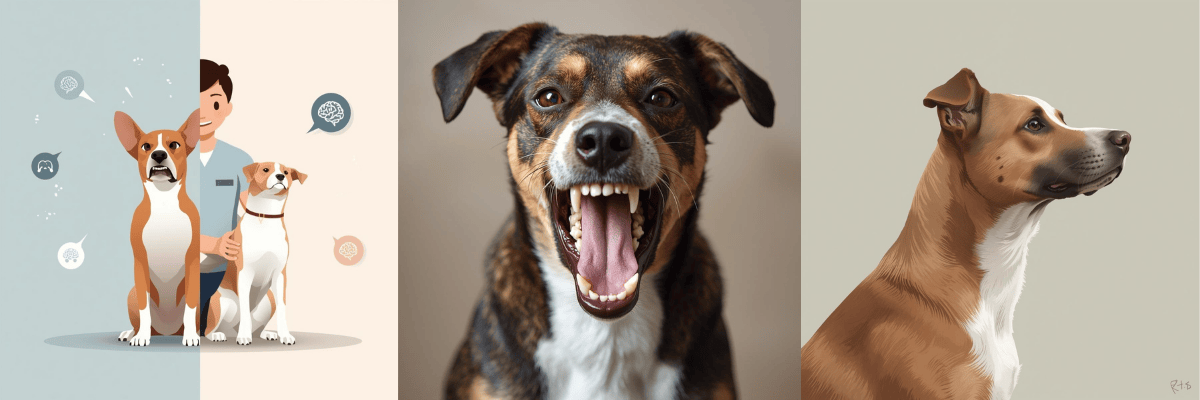
Aggression in dogs is one of the most common behavioral challenges pet owners face, and it often creates fear, confusion, and frustration. A growl, a snap, or a sudden lunge can leave you wondering what went wrong with your usually loyal companion. While it’s easy to label aggressive dogs as “bad” or “dangerous,” the truth is far more complex. Aggression is not simply disobedience—it’s a form of communication and a response to an underlying trigger.
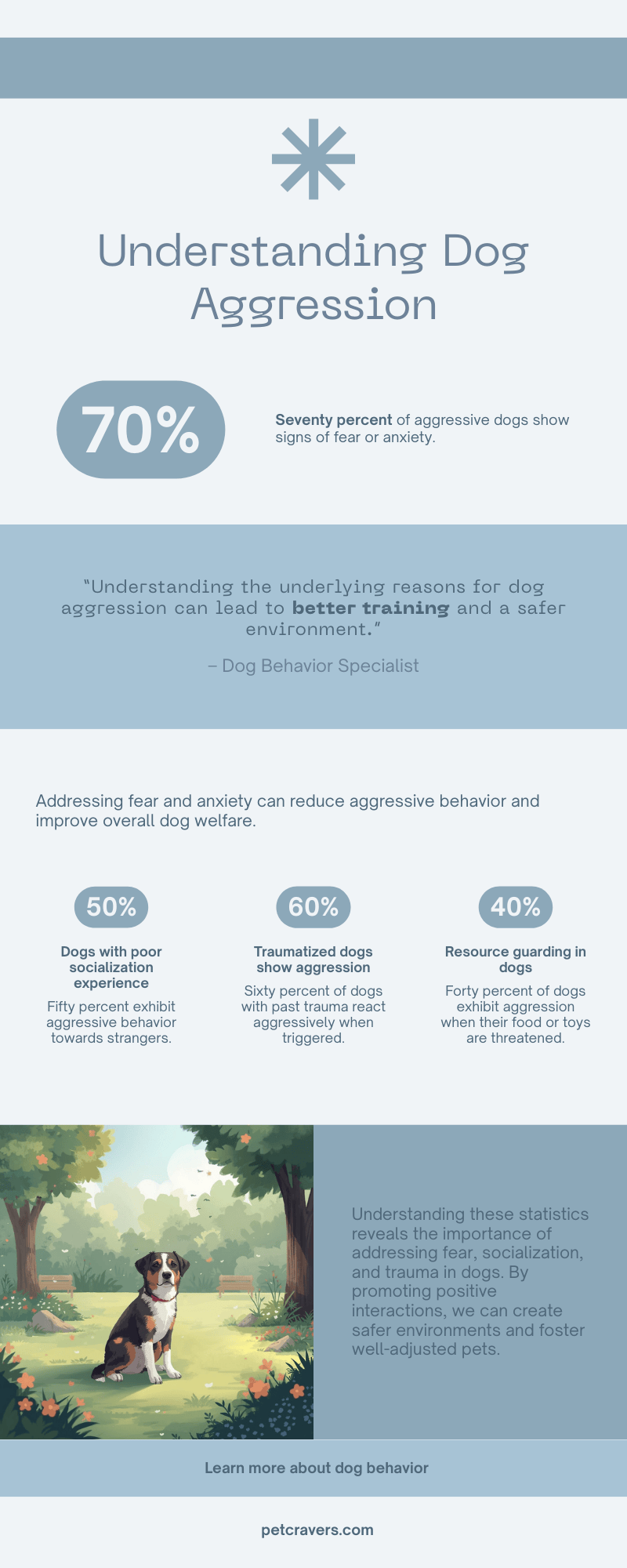
From a psychological standpoint, aggression is a survival instinct rooted in fear, anxiety, or the need to protect resources. Some dogs become aggressive because they feel threatened, while others react due to past trauma, lack of socialization, or even medical conditions that cause pain. In many cases, the aggressive behavior is less about dominance and more about insecurity or self-preservation.
Understanding the psychology behind aggression is essential for every dog owner. When you recognize aggression as a signal rather than a flaw, you can address its root causes with compassion and effective strategies. This not only keeps your household safe but also strengthens the bond of trust between you and your dog.
In this article, we’ll explore the different types of dog aggression, the psychological and environmental factors that fuel it, and the most effective ways to manage and prevent it. By the end, you’ll see that aggression is not the end of your relationship with your pet, but an opportunity to better understand their needs and emotions.
What Is Dog Aggression?
Dog aggression is often misunderstood as simply “bad behavior,” but in reality, it’s a complex emotional and behavioral response. Aggression can be defined as any threatening or harmful action directed toward another animal, person, or object. It’s important to remember that aggression itself is not a personality trait—rather, it’s a reaction to a situation where your dog feels the need to defend, protect, or assert itself.
Aggressive behavior in dogs can show up in many ways, ranging from subtle warning signals to outright attacks. Common signs include:
- Growling or snarling – a vocal warning that your dog is uncomfortable.
- Showing teeth – often combined with growling or stiff posture.
- Lunging or snapping – quick movements meant to scare off a threat.
- Biting – the most severe form of aggression, which may happen if earlier signals are ignored.
It’s essential to understand that aggression is a form of communication, not just disobedience. A dog that growls or snaps is trying to say, “I feel unsafe” or “Stay away from my space.” When these warning signs are ignored, the behavior can escalate into more dangerous actions.
By recognizing aggression as communication, dog owners can better identify triggers, respect their dog’s emotional boundaries, and seek solutions that prevent escalation. This shift in perspective helps create a safer environment for both the dog and the people around them.
Root Causes of Aggression in Dogs
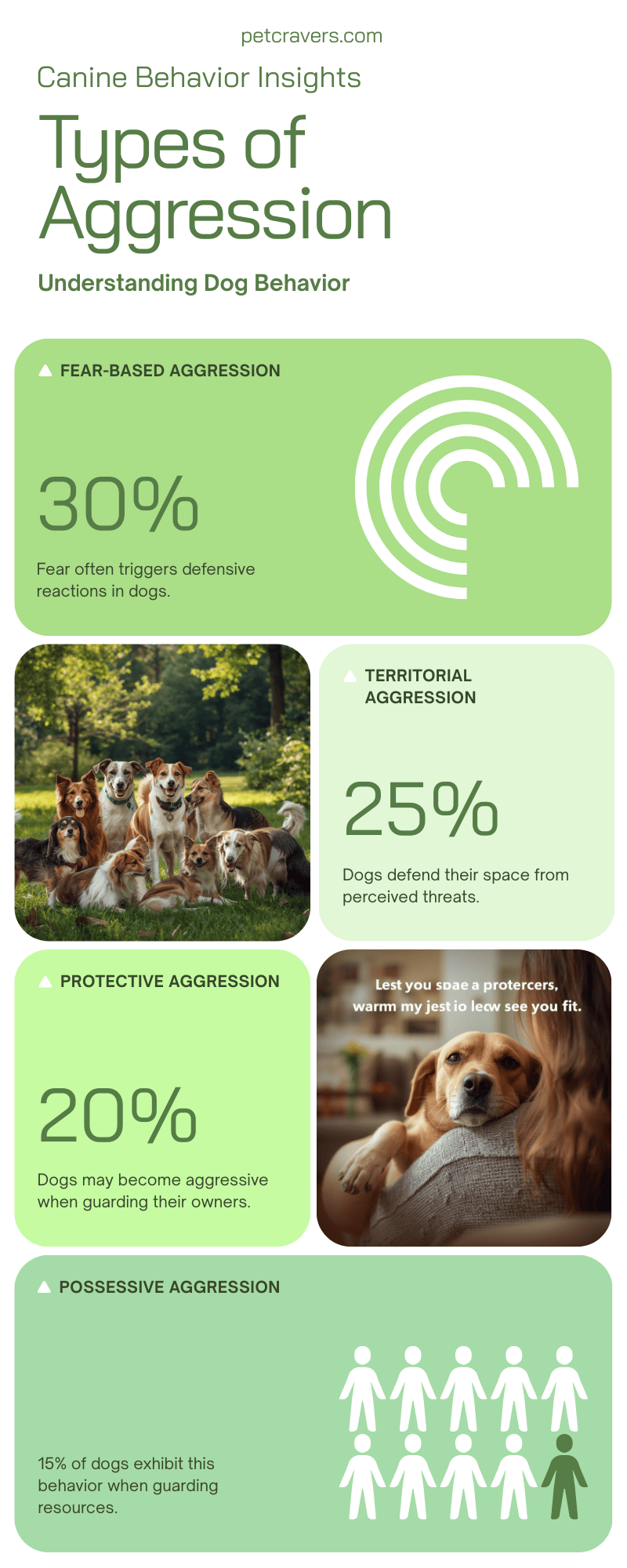
Aggression doesn’t happen without reason. For most dogs, it’s a defensive strategy, a way of coping with fear, frustration, or insecurity. Understanding the root causes can help you address the behavior at its source instead of just managing the symptoms. Here are the most common types of aggression in dogs and the psychology behind them:
1. Fear-Based Aggression
Fear is one of the leading causes of aggression. A dog that feels cornered, threatened, or unable to escape may lash out to protect itself. For example, a rescue dog that has experienced abuse may growl or snap when someone raises a hand too quickly, interpreting it as a threat.
2. Territorial Aggression
Dogs are naturally protective of their living spaces. Territorial aggression occurs when a dog perceives an intruder in its home, yard, or even car. Barking at strangers through the fence or lunging at visitors is often a sign of this instinct kicking in.
3. Protective Aggression
Similar to territorial behavior, protective aggression arises when a dog feels the need to guard family members, especially children or other pets. For instance, a dog might snarl if it thinks a stranger is approaching its owner too closely.
4. Possessive Aggression
Also known as resource guarding, this happens when a dog aggressively defends food, toys, or even sleeping spots. Growling when someone approaches the food bowl is a common example. Psychologically, this stems from survival instincts where resources are seen as limited.
5. Social Aggression
In multi-dog households, aggression may be a way of establishing hierarchy. A dominant dog may growl or nip to assert control, while a submissive dog may react defensively. Miscommunication during play can also trigger fights.
6. Pain-Induced Aggression
When dogs are injured or suffering from medical issues (like arthritis, dental pain, or ear infections), they may become irritable and aggressive if touched. This type of aggression is not about dominance—it’s a protective reflex to avoid further pain.
7. Frustration-Aggression
Also called redirected aggression, this occurs when a dog is prevented from reaching something it wants (such as another dog behind a fence). The pent-up energy and frustration may cause the dog to snap at whoever is closest, even if they’re not the real “threat.”
👉 Recognizing which type of aggression your dog is showing is the first step in addressing it effectively. Each type has unique triggers and requires a different management strategy, making professional guidance essential in many cases.
The Psychology Behind Aggression
To truly understand why dogs act aggressively, we need to look at the behavior from a psychological perspective. Aggression is rarely about “being mean” or wanting to hurt someone. Instead, it’s a deeply rooted survival mechanism shaped by fear, anxiety, past experiences, and biology.
1. Aggression as a Survival Instinct
In the wild, dogs (and their wolf ancestors) had to protect themselves, their pack, and their resources to survive. Growling, snapping, or attacking was a way to deter threats without always resorting to a fight to the death. Modern dogs still carry this instinct—when they feel threatened, aggression becomes a natural defense strategy.
2. Fear and Anxiety
Fear is the number one trigger behind most aggressive behavior. Psychologically, when a dog perceives danger, its brain activates the fight-or-flight response. If escape isn’t an option, the “fight” mode kicks in, leading to growling, barking, or biting. An anxious dog may also misinterpret harmless situations (like a stranger reaching to pet them) as a threat.
3. Early Socialization (or Lack of It)
Puppies go through a critical learning period during their first 3–4 months of life. Dogs that aren’t exposed to different people, animals, and environments during this time may grow up fearful or insecure. This lack of confidence often translates into aggression as a defense mechanism later in life.
4. Trauma and Learned Behavior
Dogs that have been neglected, abused, or poorly trained may develop aggression as a learned response. For example, a dog that was hit for growling may skip the warning signals and go straight to biting, because it learned that growling leads to punishment instead of resolution.
5. Genetics vs. Environment
Some breeds are predisposed to be more protective or reactive due to genetics, but environment plays a much bigger role. A calm, well-socialized pit bull can be gentle and loving, while an anxious, poorly trained small dog might show frequent aggression. Psychology teaches us that nature and nurture both matter, but training and experiences often outweigh genetic tendencies.
6. Stress and Overstimulation
Just like humans, dogs can lash out when overwhelmed. Loud noises, crowded environments, or inconsistent routines can raise stress levels. Over time, chronic stress reduces a dog’s tolerance and makes aggressive reactions more likely.
👉 At its core, dog aggression is not about dominance or stubbornness—it’s about how the dog perceives the world and how past experiences shape their reactions. By seeing aggression as a psychological response rather than a personality flaw, owners can approach the problem with empathy and effective solutions.
Warning Signs and Body Language
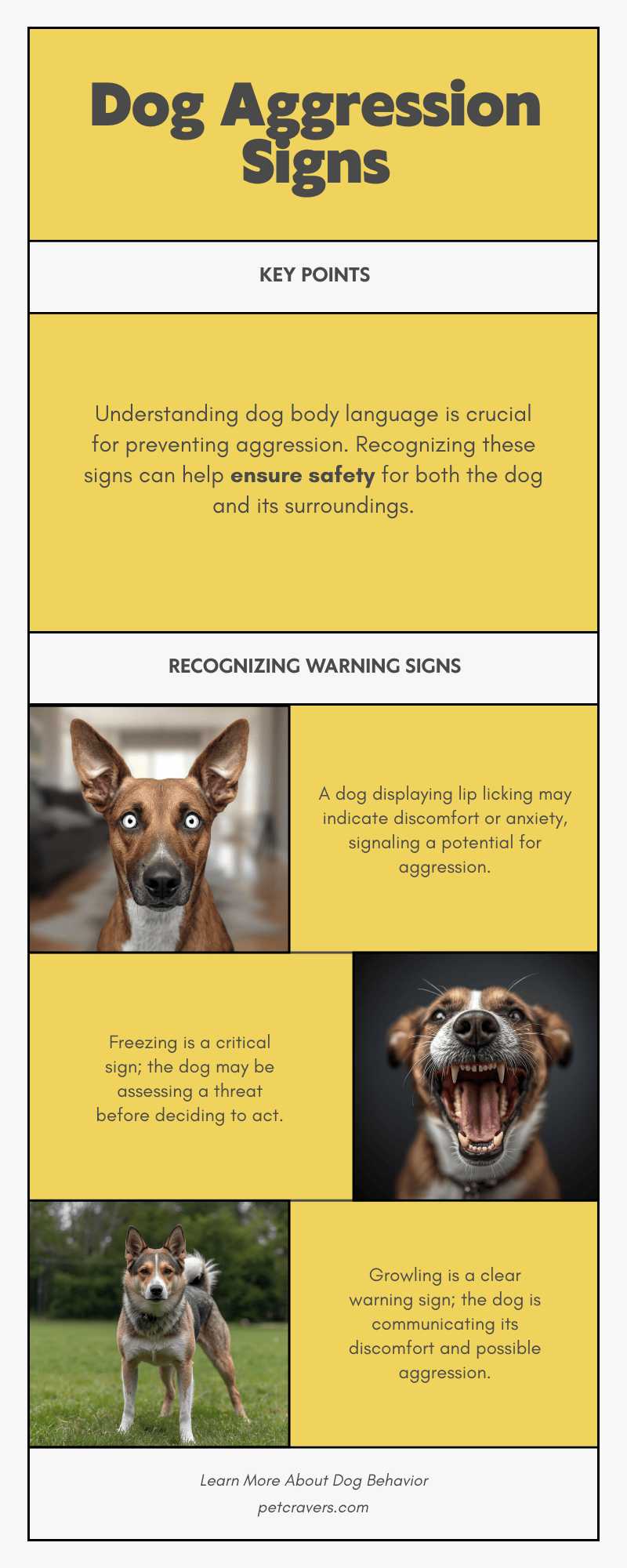
Dogs rarely attack without warning. Long before a bite or snap, they use body language to communicate discomfort, fear, or agitation. Recognizing these signals is crucial because it gives owners the chance to intervene early, remove triggers, and prevent escalation.
1. Early Subtle Signs
These are often overlooked but are your dog’s first way of saying, “I’m not comfortable.”
- Lip licking (when not eating or drinking)
- Yawning in tense situations
- Avoiding eye contact or turning the head away
- “Whale eye” (showing the whites of the eyes)
- Freezing or suddenly becoming very still
2. Moderate Warning Signs
If the early cues are ignored, dogs often increase their signals.
- Growling or low rumbling
- Showing teeth
- Ears pinned back or moving rapidly
- Tail stiff and held high, or tucked tightly
- Hackles raised (hair standing along the back and neck)
3. Severe Warning Signs (Escalation)
These are clear indicators that aggression is imminent.
- Snapping (quick bite attempts that don’t make contact)
- Lunging toward the threat
- Actual biting
4. Why Owners Shouldn’t Punish Warnings
Many people punish growling or snarling, thinking it will stop aggression. Psychologically, this is dangerous because the dog learns to suppress warnings and may skip straight to biting in the future. Instead, owners should treat warnings as valuable communication, signaling that the dog needs space or feels unsafe.
👉 By paying attention to body language and respecting early warning signs, owners can protect both their dog and others while working on the underlying causes of aggression.
How Environment and Human Behavior Affect Aggression
A dog’s environment and the way humans interact with them play a huge role in shaping behavior. While genetics and instinct matter, it’s often day-to-day living conditions and owner responses that determine whether aggression escalates or diminishes.
1. Owner Stress and Energy
Dogs are highly attuned to human emotions. If an owner is anxious, fearful, or inconsistent, the dog may mirror that energy. A tense leash grip, nervous voice, or unpredictable reactions can make a dog feel unsafe, increasing the likelihood of aggression. Calm, confident handling, on the other hand, reassures the dog.
2. Training Methods
Punishment-based training—such as yelling, hitting, or using harsh collars—often backfires. Instead of teaching the dog what’s expected, it fuels fear and stress, which are major triggers for aggression. Positive reinforcement, where calm and desired behaviors are rewarded, has been proven to reduce aggression and build trust.
3. Household Changes
Big lifestyle shifts like moving homes, bringing home a new baby, or introducing another pet can unsettle dogs. This stress may manifest as aggression if the dog feels their territory, resources, or attention are threatened.
4. Lack of Exercise and Mental Stimulation
Boredom and pent-up energy can create frustration-aggression. Dogs need daily physical activity and mental challenges—such as puzzle toys, obedience training, or interactive play—to stay balanced. Without these outlets, frustration builds and can be misdirected into aggressive behavior.
5. Inconsistent Rules and Boundaries
When different family members apply different rules—like one person allowing the dog on the couch while another scolds them for it—the dog becomes confused. This lack of consistency can increase stress and trigger defensive or frustrated aggression.
👉 In short, the way we live with our dogs directly influences how safe, secure, and understood they feel. By providing a calm environment, consistent boundaries, and positive reinforcement, owners can dramatically reduce aggression and foster trust.
Managing and Preventing Aggression
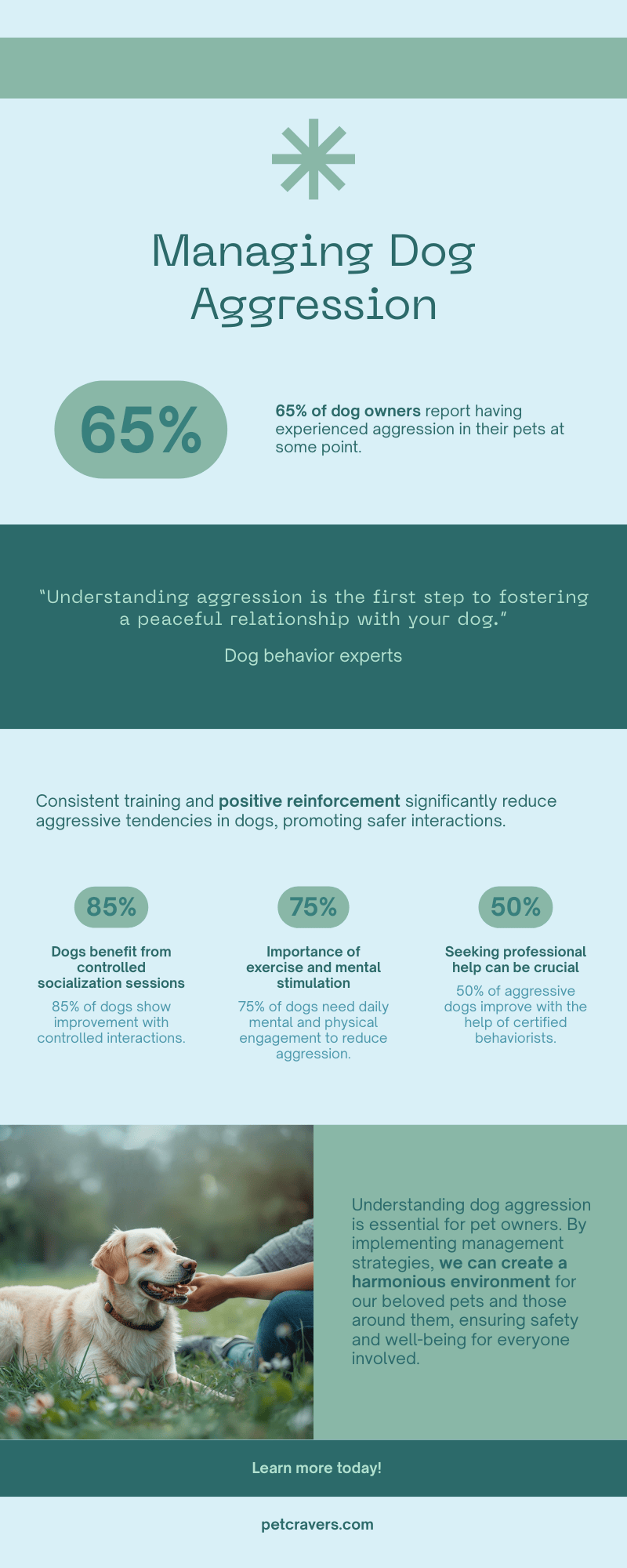
Aggression in dogs can feel overwhelming, but the good news is that with patience, the right approach, and professional guidance, most cases can be improved or managed effectively. The key is to focus on prevention, management, and training—not punishment.
1. Identify and Avoid Triggers
The first step in managing aggression is understanding what sets your dog off. Common triggers include strangers, other dogs, food, or loud noises. Once identified, avoid situations that push your dog beyond their comfort zone while you work on gradual desensitization.
2. Seek Professional Help
Aggression can be complex, and every case is unique. Certified dog trainers, behaviorists, or veterinarians can help identify root causes and create a tailored behavior plan. Professional support is especially important if the aggression involves biting or serious safety risks.
3. Obedience Training and Boundaries
Basic commands like sit, stay, leave it, and come are invaluable tools for redirecting your dog’s focus during stressful situations. Consistent training builds trust and gives both you and your dog a sense of structure and predictability.
4. Positive Reinforcement
Rewarding calm and non-aggressive behavior is far more effective than punishing aggressive outbursts. Praise, treats, or playtime reinforce good choices and gradually replace unwanted behaviors.
5. Controlled Socialization
Expose your dog to new people, pets, and environments slowly and positively. For example, allow your dog to observe other dogs from a safe distance, gradually decreasing the space as they become more comfortable. Socialization helps reduce fear and anxiety, which are common roots of aggression.
6. Provide Physical and Mental Stimulation
A tired dog is a calmer dog. Regular walks, play sessions, agility training, and puzzle toys prevent boredom and reduce frustration-aggression. Mental stimulation is just as important as physical exercise for keeping dogs balanced.
7. Use Management Tools When Necessary
Leashes, harnesses, and muzzles (when introduced humanely) are valuable tools for keeping everyone safe. These don’t solve aggression but allow you to manage it while working on long-term solutions.
8. Be Patient and Consistent
Progress takes time. Some dogs may show improvement in weeks, while others may take months of consistent training. Staying patient and calm is essential—losing your temper only adds stress and reinforces fear.
👉 By combining management with consistent training and positive reinforcement, owners can not only prevent aggressive incidents but also build a stronger relationship with their dogs.
When Aggression Is a Medical Issue
Not all aggression in dogs stems from behavior or psychology—sometimes, it’s a direct result of underlying medical problems. Pain, discomfort, or hormonal changes can alter a dog’s mood and make them more irritable or defensive. That’s why sudden or unexplained aggression should always be taken seriously and evaluated by a veterinarian.
1. Pain-Related Aggression
Dogs in pain may lash out when touched, even by people they trust. Conditions like arthritis, dental disease, ear infections, or injuries can cause discomfort that leads to defensive snapping or biting. For example, a normally gentle dog may growl if you try to pick them up while they’re sore.
2. Neurological Issues
Disorders affecting the brain—such as epilepsy, brain tumors, or cognitive dysfunction in senior dogs—can change personality and trigger uncharacteristic aggression. These cases are less common but require urgent veterinary attention.
3. Hormonal Imbalances
Endocrine conditions like hypothyroidism, Cushing’s disease, or abnormal testosterone levels can affect mood regulation. Some intact males may also show heightened aggression due to hormonal influence, which neutering can sometimes reduce.
4. Medication Side Effects
Certain medications may cause irritability, anxiety, or restlessness as side effects, potentially leading to aggression. If a change in behavior coincides with starting a new prescription, it’s worth discussing with your vet.
5. The Importance of Veterinary Checkups
Any sudden shift in behavior—especially in a dog with no prior history of aggression—should be investigated medically before being treated as purely a behavioral problem. A complete exam, including blood tests and imaging if needed, can uncover hidden health issues contributing to aggression.
👉 In short, not all aggression is “behavioral.” Sometimes, it’s your dog’s way of saying, “I’m hurting.” Ruling out medical causes is a vital first step before starting any training or behavioral modification plan.
Safety Tips for Owners and Families
When dealing with an aggressive dog, safety is always the top priority—for both humans and the dog. Understanding how to protect yourself while addressing the root causes of aggression can prevent injuries and build a calmer, more secure environment.
1. Recognize and Respect Warning Signs
Always pay attention to your dog’s body language and early signals of discomfort. Avoid approaching or forcing interaction when a dog shows growling, stiff posture, lip licking, or whale eye. Respecting these signs can prevent escalation and protect everyone involved.
2. Teach Children Safe Interaction
Children should never be left alone with an aggressive dog. Teach them:
- Not to hug, chase, or corner dogs.
- To avoid sudden movements or loud noises near the dog.
- To leave a dog alone when it’s eating, sleeping, or in its safe space.
3. Use Management Tools Wisely
Leashes, harnesses, crates, and muzzles can help manage aggressive behavior safely. Introduce these tools positively—never as punishment. They provide safety while you work on training and behavior modification.
4. Avoid Physical Punishment
Hitting, yelling, or using aversive methods can worsen aggression by increasing fear and anxiety. Positive reinforcement, calm guidance, and redirecting unwanted behavior are far more effective.
5. Create Safe Spaces
Give your dog a quiet area where it can retreat when stressed. A crate, bed, or separate room provides a sense of security and helps prevent reactive outbursts.
6. Plan for Emergencies
Keep first-aid supplies on hand and know basic bite management. Have a plan for safely separating dogs if fights occur, and ensure that all family members know the procedure.
7. Professional Support
Always involve a certified behaviorist or trainer if aggression poses a risk to family members or other pets. Attempting to handle severe aggression alone can be dangerous.
👉 By combining awareness, safe management tools, and professional guidance, families can reduce the risk of injury while creating a supportive environment that encourages calm, confident behavior in their dog.
Conclusion
Aggression in dogs is often misunderstood, but it’s rarely about dominance or “bad behavior.” Instead, it is a form of communication—a way for dogs to express fear, discomfort, frustration, or protectiveness. By understanding the psychology behind aggression, owners can approach these behaviors with empathy, patience, and informed strategies.
The key takeaways are:
- Aggression has causes: Fear, anxiety, past trauma, medical issues, or environmental stressors often trigger aggressive behavior.
- Early warning signs matter: Recognizing growling, stiff posture, or lip licking can prevent escalation and keep everyone safe.
- Environment and training influence behavior: Calm handling, consistent boundaries, positive reinforcement, and socialization reduce aggression.
- Professional guidance is invaluable: Certified trainers, behaviorists, and veterinarians can help identify root causes and create tailored plans.
- Safety comes first: Using management tools, teaching children safe interactions, and providing safe spaces protect both your family and your dog.
With time, consistency, and compassionate intervention, many dogs can overcome aggressive tendencies or learn to manage them effectively. Understanding aggression is not about labeling a dog as “dangerous”; it’s about recognizing signals, addressing underlying needs, and building a stronger, trusting relationship.
By seeing aggression as a symptom rather than a flaw, owners can create a safer home and a happier, more confident dog.


Leave a Reply