
Just like humans, dogs are capable of experiencing a wide range of emotions. While we often think of our furry companions as endlessly cheerful and energetic, there are times when a dog may seem withdrawn, lethargic, or unusually irritable. Many dog owners wonder: can dogs get depressed?
Understanding canine depression is important because it can significantly affect a dog’s physical health, behavior, and overall quality of life. Depression in dogs is not just a temporary mood change—it can be a serious condition triggered by environmental changes, loss of a companion, illness, or lack of mental and social stimulation.
Recognizing the signs of depression in dogs is the first step toward helping them recover. From changes in appetite and sleep patterns to withdrawal from play and social interaction, dogs often communicate their emotional struggles through behavior rather than words.
In this post, we will explore the science behind canine depression, identify the common signs and causes, and provide practical solutions and strategies to help dogs regain their happiness and well-being. By understanding how depression manifests in dogs, owners can take proactive steps to support their emotional health and strengthen the bond between human and pet.
Understanding Canine Depression
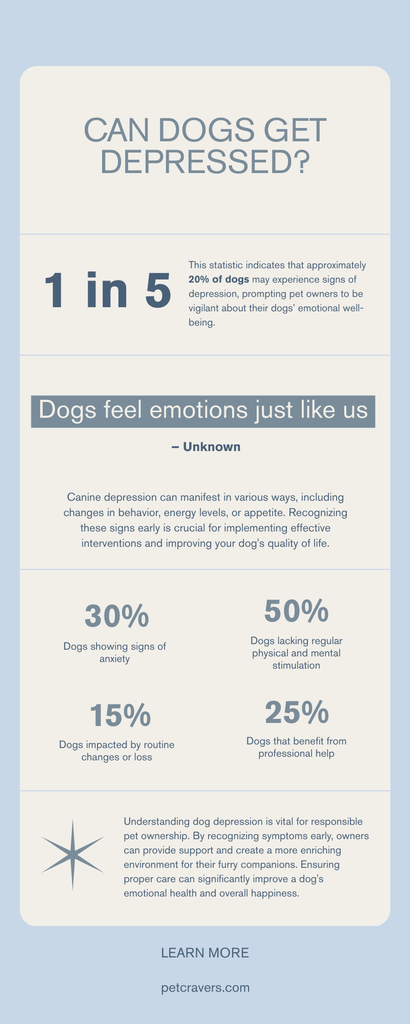
Dogs, like humans, can experience emotional lows, but canine depression is more than just occasional sadness. It is a prolonged state of low mood that can affect a dog’s behavior, appetite, energy levels, and overall health.
1. Definition of Canine Depression
- Canine depression is a mental health condition in which dogs exhibit persistent signs of sadness, withdrawal, or lack of interest in normal activities.
- It can occur in dogs of any age, breed, or background, although certain life events and environmental factors can increase the risk.
2. Common Causes
- Environmental changes: Moving to a new home, renovations, or changes in family members can trigger stress and depression.
- Loss of a companion: The death or absence of another pet or human family member can lead to grief-like symptoms.
- Illness or chronic pain: Health problems may cause discomfort and reduce a dog’s interest in activities, mimicking depression.
- Lack of stimulation: Dogs require physical exercise, mental challenges, and social interaction to stay emotionally healthy.
- Separation anxiety: Some dogs develop depressive symptoms when left alone for extended periods.
3. Temporary Sadness vs. Clinical Depression
- Temporary sadness: Normal emotional response to a brief stressor or change, such as a scolding or a short absence of the owner. Dogs usually recover quickly.
- Clinical depression: Persistent, prolonged changes in behavior, appetite, or energy that last for weeks or months, requiring intervention.
Understanding these distinctions helps owners recognize when behavior changes indicate depression rather than a temporary emotional response, ensuring timely support and care.
Common Signs of Depression in Dogs
Detecting depression in dogs requires careful observation, as canines communicate emotional distress primarily through behavior rather than words. While some signs are obvious, others can be subtle and easily overlooked.
1. Behavioral Signs
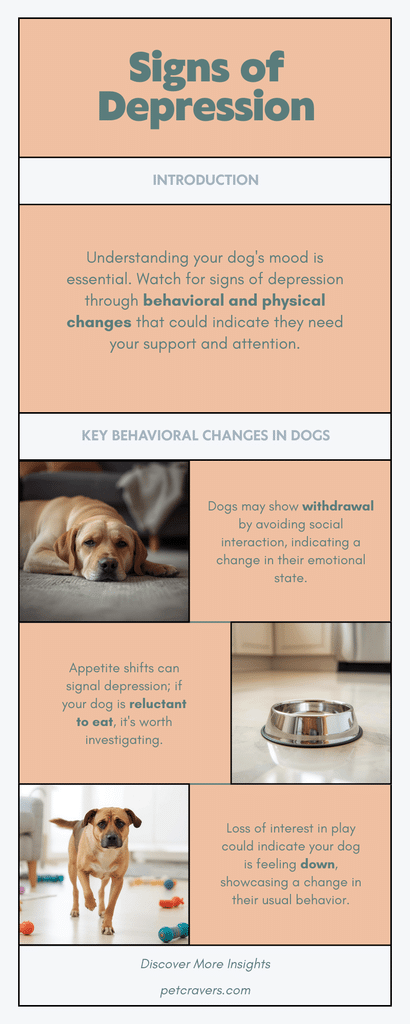
- Lethargy or low energy: The dog shows little interest in play, walks, or previously enjoyed activities.
- Withdrawal or isolation: Avoiding interaction with humans, other pets, or social situations.
- Decreased enthusiasm: Less excitement when greeted by family members or when engaging in favorite activities.
- Destructive behavior or restlessness: Some dogs may exhibit pacing, chewing, or repetitive behaviors when stressed.
2. Physical Signs
- Changes in appetite: Eating significantly less or more than usual.
- Weight fluctuations: Weight loss due to reduced appetite or gain from over-eating.
- Sleep disturbances: Sleeping excessively or having difficulty settling down.
- Poor grooming or coat condition: Depression can sometimes lead to neglect of self-care behaviors.
3. Emotional Signs
- Irritability or anxiety: Increased sensitivity or aggression in response to normal stimuli.
- Clinginess or dependency: Some dogs become overly attached and anxious when separated from their owner.
- Reduced responsiveness: Lack of reaction to verbal cues, toys, or familiar commands.
4. Real-Life Examples
- A normally playful dog refusing walks or toys for several weeks.
- A dog that usually greets visitors enthusiastically now hides or avoids interaction.
- Sudden changes in eating or sleeping habits without any physical illness present.
Understanding How Can Dogs Get Depressed
Recognizing these signs early allows owners to intervene promptly, offering support and solutions to help their dog regain emotional balance.
Causes and Risk Factors
Understanding the underlying causes of depression in dogs is essential for prevention, early detection, and effective treatment. While any dog can experience depressive symptoms, certain factors increase the likelihood.
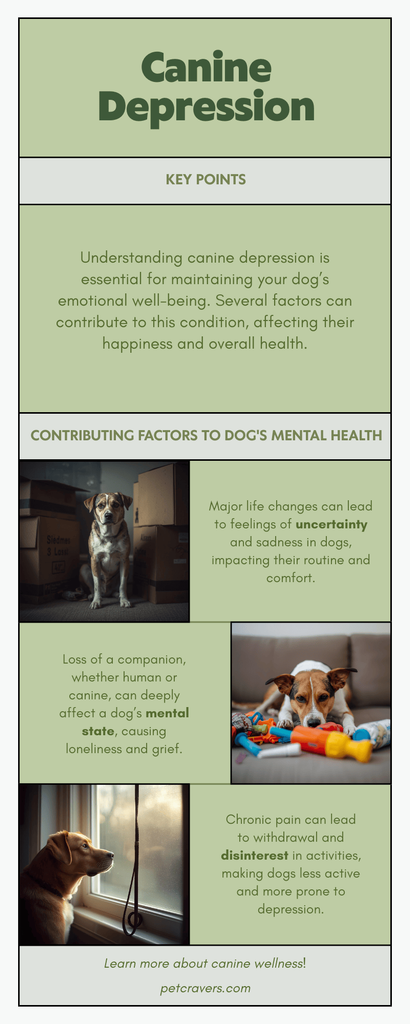
1. Loss of a Family Member or Companion Animal
- Dogs form strong attachments to both humans and other pets.
- The death, departure, or prolonged absence of a family member or companion animal can trigger grief and depressive behaviors.
2. Major Environmental Changes
- Moving homes, renovations, or new family members (human or pet) can disrupt a dog’s sense of security.
- Dogs thrive on routine; sudden changes can cause stress that may develop into depression.
3. Chronic Illness or Pain
- Dogs experiencing ongoing pain or discomfort from conditions such as arthritis, dental issues, or chronic illness may appear withdrawn or lethargic.
- Sometimes, depression is secondary to medical conditions, highlighting the importance of veterinary evaluation.
4. Lack of Social Interaction or Mental Stimulation
- Dogs are social and intelligent animals that require regular interaction, play, and mental challenges.
- Isolation, boredom, or lack of enrichment can lead to decreased motivation, withdrawal, and depressive behaviors.
5. Breed Predispositions or Personality Traits
- Some breeds or individual dogs may be more sensitive to environmental stressors or separation, making them more prone to depressive symptoms.
- Shy or anxious dogs may show depressive behaviors earlier when stressed or neglected.
By understanding these causes and risk factors, owners can take proactive steps to prevent depression, provide emotional support, and ensure their dog maintains a healthy and stimulating environment.
Diagnosing Depression in Dogs
Proper diagnosis is essential for effectively addressing canine depression, as behavioral changes can sometimes be caused by underlying medical conditions. A combination of veterinary evaluation and careful observation is often necessary.
1. Veterinary Consultation
- Schedule a visit to rule out physical illnesses such as thyroid disorders, chronic pain, or infections that may mimic depressive behaviors.
- Blood tests, physical exams, and diagnostic imaging can help identify medical causes.
2. Behavioral Assessment
- A trained dog behaviorist or veterinary behaviorist can evaluate your dog’s emotional state and environmental factors.
- Observations focus on behavior patterns, social interactions, play interest, appetite, and response to stimuli.
3. Owner Observations
- Keep a daily log of your dog’s behavior: changes in appetite, energy, sleep, interactions, and emotional responses.
- Documenting subtle signs helps professionals differentiate between temporary sadness and clinical depression.
4. Differential Diagnosis
- It is important to distinguish depression from:
- Separation anxiety
- Fear or phobias
- Behavioral issues like learned helplessness or boredom
5. Combining Evidence
- Diagnosis often relies on a combination of medical evaluation, behavioral observation, and owner-reported symptoms.
- Early detection increases the likelihood of successful intervention and recovery.
Solutions and Treatment Options
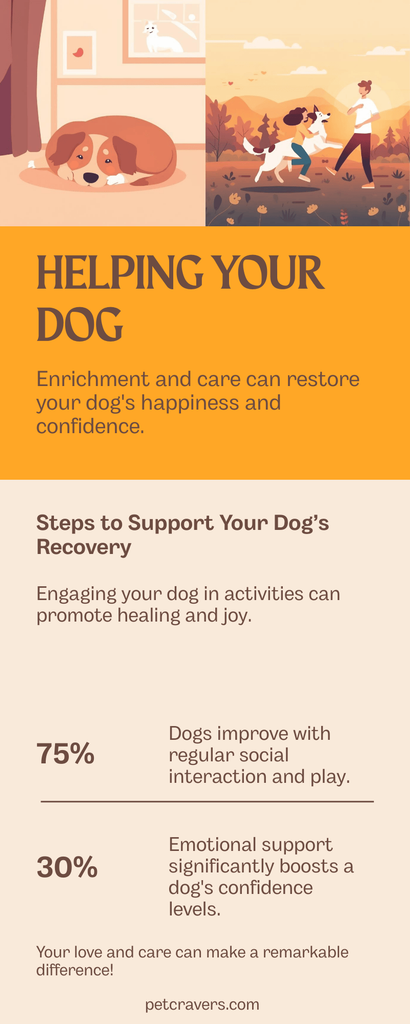
Helping a depressed dog requires a multi-faceted approach, addressing both emotional and physical needs. By combining environmental, social, and sometimes medical interventions, owners can support their dog’s recovery.
1. Environmental Enrichment
- Provide interactive toys, puzzle feeders, and scent-based games to engage the dog mentally.
- Rotate toys and introduce new challenges to prevent boredom.
- Create a stimulating environment with safe spaces for exploration.
2. Socialization and Companionship
- Encourage positive interactions with humans and other pets.
- Playdates, doggy daycare, or regular walks in new environments can lift mood.
- Gentle affection and attention help dogs feel secure and valued.
3. Routine and Structure
- Maintain consistent schedules for feeding, walks, play, and rest.
- Predictable routines reduce anxiety and provide a sense of stability.
- Gradually reintroduce activities the dog used to enjoy to rebuild interest.
4. Medical Interventions
- For severe or prolonged depression, veterinarians may prescribe antidepressants or other medications.
- Medications are usually combined with behavioral therapy and environmental adjustments.
5. Behavioral Therapy and Training
- Positive reinforcement training can rebuild confidence and engagement.
- Techniques may include clicker training, reward-based exercises, and structured play sessions.
- Addressing specific triggers for withdrawal or anxiety enhances recovery.
By implementing these strategies consistently, owners can help their dog regain emotional balance, improve quality of life, and strengthen the human-dog bond.
Preventing Depression in Dogs
Prevention is often easier than treatment, and creating a mentally stimulating, socially enriching, and emotionally supportive environment can significantly reduce the risk of depression in dogs.
1. Maintain Social and Mental Stimulation
- Engage dogs daily with interactive play, training, and puzzle toys.
- Introduce new experiences gradually, such as walks in different areas or safe exposure to new people and animals.
- Regular enrichment activities keep their minds active and reduce boredom-related depressive behaviors.
2. Ensure a Stable Environment and Consistent Routines
- Dogs thrive on routine for feeding, exercise, and play.
- Minimize sudden changes in household environment, and provide a calm, secure space where the dog can relax.
3. Monitor Behavior and Health Regularly
- Observe changes in appetite, sleep, energy, and mood.
- Early detection of abnormal behavior or signs of illness can prevent depression from developing.
4. Strengthen Human-Dog Bonding
- Spend quality time with your dog, offering affection, attention, and reassurance.
- Positive reinforcement and reward-based training enhance emotional security and confidence.
5. Provide Companionship if Needed
- Consider adopting a compatible companion dog if your dog is lonely or left alone for long periods.
- Ensure social introductions are gradual and supervised to foster positive relationships.
By proactively addressing these factors, owners can create an emotionally healthy environment, reducing the likelihood of depression and promoting long-term well-being.
When to Seek Professional Help
While mild or temporary sadness in dogs can often be managed at home, certain signs indicate that professional intervention is necessary. Timely help ensures proper diagnosis and prevents prolonged suffering.
1. Signs of Severe or Prolonged Depression
- Persistent lethargy or lack of interest in activities for more than a few weeks.
- Significant changes in appetite, weight, or sleep patterns.
- Withdrawal from family members or other pets.
- Aggression, anxiety, or other behavioral changes that disrupt daily life.
2. Risks of Untreated Depression
- Chronic depression can negatively affect physical health, including immune function, digestion, and weight.
- Prolonged emotional distress may lead to behavioral issues, such as aggression, excessive barking, or destructive behavior.
- Untreated depression can reduce the dog’s overall quality of life and well-being.
3. Seeking Veterinary Assistance
- A veterinarian can rule out medical conditions, prescribe medications if necessary, and provide referrals to behaviorists.
- Behavioral and environmental modifications are often recommended alongside medical treatment.
4. Consulting Canine Behaviorists
- Certified dog behaviorists or trainers can design personalized behavior modification programs.
- They can help owners implement training, enrichment, and socialization strategies to address depressive behaviors effectively.
5. Early Intervention is Key
- The sooner depression is detected and treated, the better the outcomes.
- Owners should act at the first signs of persistent behavioral or emotional changes to support recovery and prevent escalation.
Conclusion
Dogs, like humans, are capable of experiencing deep emotions, including sadness and depression. While occasional low moods are normal, prolonged changes in behavior, appetite, sleep, or social interaction may indicate a more serious emotional struggle. Recognizing these signs is crucial for maintaining your dog’s mental, emotional, and physical well-being.
Understanding the causes of depression—whether it’s loss, environmental changes, chronic illness, or lack of stimulation—allows owners to take proactive steps. Solutions include enrichment, socialization, routine, medical treatment, and behavior modification, all aimed at helping dogs regain their happiness and confidence.
Prevention is equally important. By providing a stable environment, mental stimulation, consistent routines, and strong human-dog bonding, owners can reduce the risk of depression and ensure their pets lead a fulfilling, emotionally healthy life.
Ultimately, attentive care, early detection, and timely professional support can make a dramatic difference in a dog’s recovery. By observing their behavior, responding to their emotional needs, and creating a nurturing environment, owners can help their dogs thrive emotionally, strengthening the bond of trust and companionship that makes the human-dog relationship so special.






Leave a Reply