 Skip to content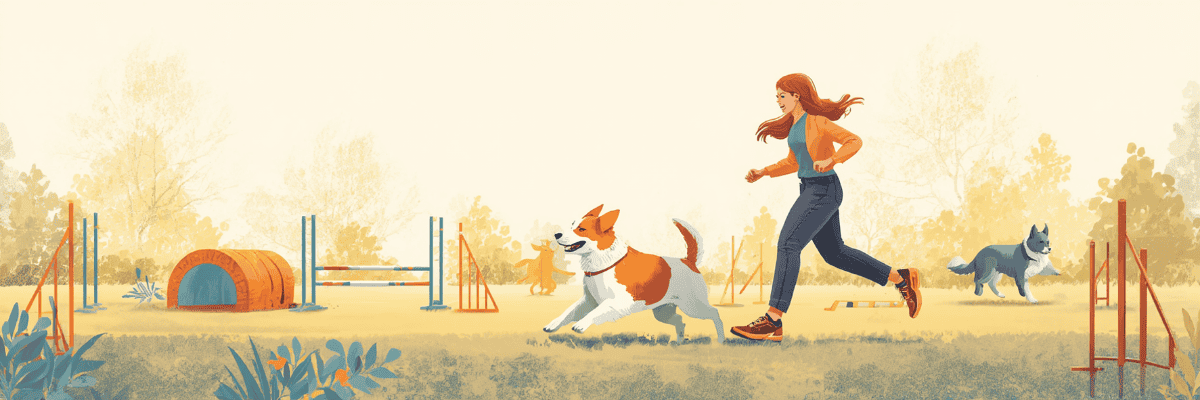
Introduction
Agility training isn’t just a sport—it’s a dynamic and fun way to strengthen the connection between you and your dog. By guiding your dog through obstacle courses filled with jumps, tunnels, weave poles, and seesaws, you’re not only providing physical exercise but also engaging their mind and fostering trust.
Dogs thrive on challenges that combine mental and physical stimulation, and agility training offers just that. As your dog learns to navigate each obstacle with your guidance, they become more confident, attentive, and responsive to your cues. The shared experience of learning, succeeding, and celebrating each accomplishment creates a unique bond built on trust, communication, and mutual enjoyment.
Whether you have a high-energy puppy, an active adult dog, or even a senior dog who enjoys gentle obstacles, agility training can be adapted to suit any skill level. In this post, we’ll explore what agility training is, its benefits as a bonding exercise, how to get started safely, tips for maximizing engagement, and advanced techniques for experienced dogs. By the end, you’ll see how agility training can transform ordinary playtime into a rewarding, trust-building adventure for both you and your furry companion.
What is Agility Training?
Agility training is a structured activity where dogs navigate a series of obstacles under the guidance of their handler. It combines physical exercise, mental stimulation, and teamwork, making it an excellent tool for bonding. Unlike competitive dog sports, agility can be adapted for any dog, regardless of size, age, or experience level.

Common Obstacles in Agility Training
- Tunnels: Dogs learn to run through enclosed spaces, building confidence and speed.
- Jumps: Hurdles of various heights challenge dogs’ coordination and athleticism.
- Weave Poles: Dogs weave in and out of poles, enhancing focus, flexibility, and precision.
- A-Frames: Sloped ramps teach balance and careful movement.
- Seesaws (Teeter-Totters): Encourage trust and control as dogs navigate moving surfaces.
- Pause Tables or Platforms: Dogs learn to stop, stay, and maintain attention on cues.

Adaptability for All Dogs
- Puppies: Start with low, soft obstacles and short sequences to keep sessions fun and safe.
- Adult Dogs: Gradually increase complexity and incorporate longer courses for both mental and physical challenges.
- Senior Dogs: Use low-impact obstacles and slow-paced courses to accommodate mobility limitations.
Agility training is not just about speed or performance—it’s about teamwork, communication, and building a strong, trusting relationship. By guiding your dog through each obstacle, you help them develop confidence while deepening the bond between you.
Benefits of Agility Training as a Bonding Exercise
Agility training offers far more than physical exercise; it’s a powerful way to strengthen the relationship between you and your dog. Here’s how it benefits both mental and emotional connection:

1. Strengthens Communication
- Dogs learn to respond to verbal commands, hand signals, and body language.
- Clear guidance and consistent cues improve understanding and responsiveness, enhancing everyday communication.
2. Builds Trust and Confidence
- Successfully navigating obstacles gives dogs a sense of accomplishment.
- Trust grows as your dog relies on your guidance, knowing you will support them through challenges.
3. Enhances Physical Fitness
- Agility courses provide a full-body workout, including cardiovascular exercise, balance, and coordination.
- Regular physical activity helps maintain a healthy weight, strong muscles, and joint mobility.
4. Provides Mental Stimulation
- Navigating complex courses requires problem-solving, focus, and quick decision-making.
- Mental challenges reduce boredom, destructive behaviors, and anxiety, keeping dogs engaged and happy.
5. Encourages Positive Interaction
- Shared successes, praise, and rewards create joyful experiences for both dog and owner.
- Interactive play and teamwork foster a deep emotional bond, reinforcing mutual trust and affection.
Agility training combines learning, exercise, and play in a way that makes every session rewarding. By regularly engaging in this activity, you strengthen your dog’s mind, body, and your shared relationship, creating lasting benefits for both of you.
Getting Started with Agility Training
Starting agility training with your dog doesn’t require a professional setup or competitive ambitions. With a few key steps, you can create a safe and enjoyable experience that strengthens your bond.

1. Choose a Safe Training Space
- A backyard, quiet park, or local agility facility works well.
- Ensure the surface is even and free of hazards, such as sharp objects or slippery areas.
- Indoors can also work for small-scale obstacles or beginner exercises.
2. Select Appropriate Obstacles
- Begin with simple obstacles like low jumps, short tunnels, or basic weave poles.
- Gradually increase difficulty as your dog gains confidence and skill.
- Adapt obstacles for size, age, and physical ability to ensure safety.
3. Use Positive Reinforcement
- Reward your dog immediately with treats, praise, or toys for completing obstacles successfully.
- Positive reinforcement encourages learning, builds confidence, and strengthens your bond.
4. Keep Sessions Short
- Limit initial sessions to 5–15 minutes to prevent fatigue or frustration.
- Multiple short sessions per day are more effective than one long session.
5. Focus on Fun and Engagement
- The goal is to enjoy the process, not to achieve perfection.
- Celebrate small wins to boost motivation and enthusiasm.
Starting with these steps ensures a safe, fun, and rewarding introduction to agility training. Your dog will gradually build confidence, focus, and excitement for learning, laying the foundation for a stronger bond and more advanced exercises in the future.
Tips for Effective Bonding Through Agility
Agility training is not only about physical and mental exercise—it’s an opportunity to deepen your connection with your dog. The following strategies ensure training strengthens your bond while keeping it fun and safe:
1. Be Patient and Encouraging
- Avoid frustration or scolding if your dog struggles with an obstacle.
- Celebrate small achievements to build confidence and motivation.
2. Incorporate Fun and Play
- Combine agility exercises with games like fetch or tug to maintain excitement.
- Keep the sessions enjoyable so your dog looks forward to training.
3. Maintain Eye Contact and Use Verbal Cues
- Consistent eye contact and clear verbal commands improve communication.
- Your dog learns to focus on you and respond accurately to your guidance.
4. Adapt to Your Dog’s Pace and Ability
- Modify obstacles for puppies, senior dogs, or dogs with mobility limitations.
- Allow extra time for learning, gradually increasing complexity as confidence grows.
5. Rotate Courses and Introduce Challenges
- Change obstacle sequences regularly to keep your dog mentally stimulated.
- Introduce new challenges that encourage problem-solving and focus.
6. Reward Shared Success
- Use treats, praise, and play as rewards for completing obstacles together.
- Shared accomplishments strengthen trust, joy, and the emotional connection between you and your dog.
By following these tips, agility training becomes a powerful tool for both physical and mental enrichment, while creating a positive, trust-based relationship with your dog.
Safety Considerations
While agility training is a fun and rewarding activity, ensuring your dog’s safety is essential. Proper precautions prevent injuries and make the experience enjoyable for both you and your dog.
1. Warm-Up and Cool-Down Exercises
- Begin each session with gentle stretches or a short walk to loosen muscles.
- End with a cool-down period to relax muscles and prevent soreness.
2. Avoid Overexertion
- Limit sessions based on your dog’s age, fitness level, and energy.
- Watch for signs of fatigue, overheating, or discomfort, especially in hot weather.
3. Inspect Obstacles for Stability and Safety
- Check jumps, tunnels, and platforms for secure placement and smooth surfaces.
- Remove or repair any broken or unstable obstacles to prevent accidents.
4. Choose Appropriate Surfaces
- Avoid slippery floors, gravel, or uneven ground that could cause falls or strains.
- Grass, rubber mats, or specialized agility surfaces are ideal for traction and comfort.
5. Consult a Veterinarian if Needed
- Seek veterinary advice for dogs with pre-existing conditions, joint problems, or health concerns.
- Make adjustments to obstacles or training routines based on your vet’s recommendations.
By following these safety measures, you create a secure environment where your dog can confidently learn and enjoy agility training. Safety ensures positive experiences, reinforcing trust and keeping your dog eager for future sessions.
Advanced Tips for Experienced Dogs
Once your dog has mastered basic agility obstacles, you can introduce advanced techniques to keep them challenged, engaged, and continue building your bond.
1. Combine Agility with Trick Training
- Integrate tricks like spins, weaves, or “sit-stay” at specific points in the course.
- Encourages mental flexibility and strengthens obedience while maintaining fun.
2. Introduce Timed Courses
- Use a stopwatch to complete courses, gradually increasing speed and precision.
- Adds a playful challenge without creating pressure, enhancing focus and excitement.
3. Incorporate Off-Leash Training in Safe Areas
- Allow your dog to navigate obstacles off-leash in a secure, enclosed space.
- Builds trust as your dog learns to rely on your cues and guidance without physical restraint.
4. Vary Course Layouts Frequently
- Change obstacle order, spacing, and difficulty to prevent boredom.
- Encourages problem-solving and adaptability, keeping training mentally stimulating.
5. Use Distractions for Focus Training
- Gradually introduce mild distractions, such as sounds or toys, to improve concentration.
- Enhances your dog’s ability to focus on cues and maintain control in different environments.
6. Combine Physical and Mental Challenges
- Mix obstacles that require speed, balance, and decision-making.
- Ensures comprehensive stimulation, keeping your dog engaged both physically and mentally.
Advanced agility techniques help experienced dogs stay challenged, prevent stagnation, and deepen the bond through teamwork, trust, and shared success.
Conclusion
Agility training is more than just a fun activity—it’s a powerful way to strengthen the connection between you and your dog. By navigating obstacles together, you build trust, improve communication, and foster confidence while providing both physical and mental stimulation. Each jump, tunnel, and weave becomes an opportunity to celebrate teamwork, reinforce positive behaviors, and deepen your bond.
Starting with simple obstacles, using positive reinforcement, and gradually increasing challenges ensures that agility training remains safe, enjoyable, and rewarding for dogs of all ages and skill levels. Whether you are a beginner or have an experienced dog, incorporating agility exercises into your routine can transform ordinary playtime into a meaningful, trust-building adventure.
By committing to regular agility sessions, you not only enhance your dog’s fitness and mental sharpness but also create joyful shared experiences that strengthen your relationship for years to come. Grab a few obstacles, start slow, and watch your dog thrive as you build a stronger, happier bond together.




Leave a Reply