 Skip to content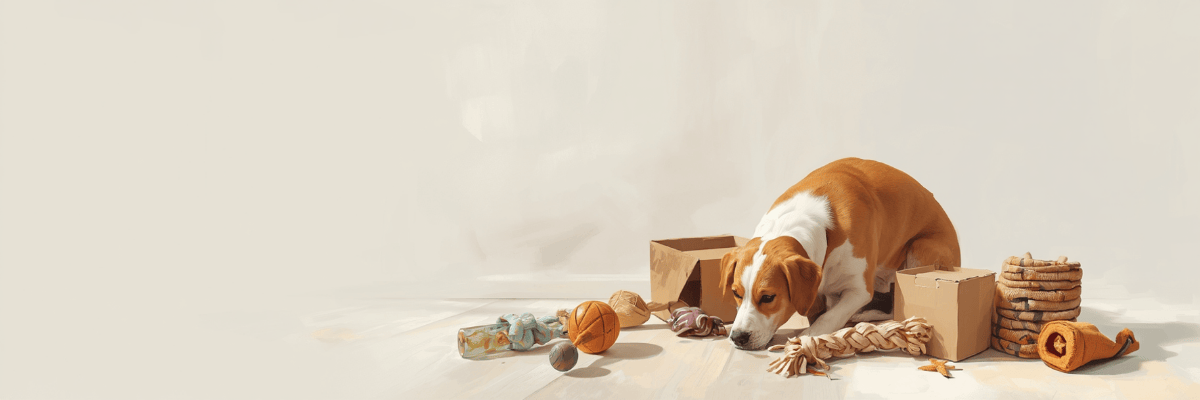
Introduction
Keeping your dog happy, healthy, and mentally stimulated is about more than just daily walks and meals. Just like humans, dogs need activities that challenge their minds, encourage natural behaviors, and prevent boredom. Enrichment toys are a fantastic way to achieve this. They provide mental stimulation, help reduce destructive behaviors, and even promote physical activity. Whether your dog loves sniffing, chewing, or problem-solving, the right toys can make playtime exciting and rewarding.
While store-bought enrichment toys are widely available, they can be expensive, limited in variety, and not always tailored to your dog’s unique preferences or skill level. That’s where DIY homemade enrichment toys come in. By using simple, safe household items, you can create engaging, interactive toys that are not only cost-effective but also fully customizable. This allows you to craft experiences that match your dog’s personality, energy level, and learning style.

In this post, we’ll explore a variety of DIY enrichment toy ideas that you can make at home with everyday materials. From treat-dispensing challenges and snuffle mats to interactive hide-and-seek games and tug toys, each project is designed to stimulate your dog’s mind, encourage natural instincts, and strengthen the bond between you and your furry friend. We’ll also cover essential safety tips, guidance on introducing toys effectively, and strategies for keeping playtime fresh and exciting. By the end, you’ll have a collection of creative, engaging, and safe enrichment toys that your dog will love—and you’ll have the satisfaction of knowing you made them yourself.
Why Homemade Enrichment Toys Matter
Dogs are intelligent, curious animals that thrive when their minds and bodies are engaged. Without enough mental and physical stimulation, even the happiest dog can develop boredom-related behaviors such as chewing furniture, excessive barking, or digging. This is where homemade enrichment toys play a crucial role.

1. Boosts Mental Stimulation and Problem-Solving Skills
Homemade enrichment toys challenge your dog to think, experiment, and solve problems. Puzzle boxes, treat-dispensing toys, and hide-and-seek games encourage your dog to use their natural intelligence to figure out how to reach a reward. Regular mental stimulation not only keeps dogs entertained but also reduces stress and anxiety, promoting overall well-being.
2. Encourages Physical Activity and Natural Instincts
Many DIY toys engage your dog physically, whether through fetching, tugging, or searching for hidden treats. This kind of play taps into natural instincts such as foraging, chewing, and retrieving, making your dog feel fulfilled and satisfied. Even simple games like tossing a homemade ball or rolling a treat-filled bottle can provide low-impact exercise that keeps your dog active.
3. Customizable for Your Dog’s Preferences
Every dog is unique. Some may love sniffing out hidden treats, while others enjoy the challenge of tugging or solving puzzles. Homemade enrichment toys give you the flexibility to tailor activities to your dog’s individual personality, energy level, and skill set. You can adjust the difficulty of puzzle toys, add different scents to snuffle mats, or experiment with textures to find what excites your dog the most.
4. Cost-Effective and Eco-Friendly
Store-bought enrichment toys can be pricey, especially if you want a variety. By making your own toys at home, you can repurpose household items like old t-shirts, socks, cardboard, or plastic bottles. Not only does this save money, but it’s also environmentally friendly, reducing waste while giving new life to items that would otherwise be discarded.
5. Strengthens the Human-Dog Bond
Creating and playing with DIY toys provides quality bonding time. Dogs are social animals, and interactive play fosters trust, communication, and positive reinforcement. Watching your dog engage with a toy you made adds a sense of accomplishment and joy for both of you.
Homemade enrichment toys are more than just fun—they’re an essential tool for a happy, healthy, and well-adjusted dog. By combining mental stimulation, physical activity, customization, and cost-effectiveness, these toys make playtime meaningful while supporting your dog’s overall development.
Materials You Can Use
Creating DIY homemade enrichment toys doesn’t require expensive supplies or specialty stores. In fact, many safe and effective toys can be made from common household items. Choosing the right materials ensures your dog can play safely while still enjoying a mentally stimulating and physically engaging experience.
1. Common Household Items
Many everyday items can be transformed into creative enrichment toys:
- Old T-shirts and Socks: These can be braided into tug toys or used to hide treats. Soft fabrics are gentle on teeth and paws while providing interactive fun.
- Plastic Bottles: Empty water or soda bottles can be converted into treat dispensers. The crinkly sound also adds auditory stimulation that dogs find irresistible.
- Cardboard Boxes: Cardboard is perfect for puzzle boxes or hide-and-seek games. You can cut holes or layers to challenge your dog’s problem-solving skills.
- Muffin Tins: Used with tennis balls or small cups, muffin tins can turn into simple but effective treat-dispensing puzzles.
2. Safe Dog-Friendly Materials
When creating toys, safety should always be a priority. Use materials that are non-toxic, durable, and suitable for chewing or manipulation:
- Non-Toxic Glue or Adhesives: Ensure any glue used is safe for pets and fully dried before play.
- Natural Fabrics: Cotton, fleece, and other natural fibers are safe, durable, and easy to clean. Avoid synthetic fabrics that can fray or cause choking hazards.
- Durable Rope: Cotton or hemp rope can be braided into tug toys or chew toys. Avoid ropes with synthetic fibers that may unravel easily.
3. Tips for Choosing Materials
- Avoid Small Parts: Make sure your toy doesn’t have pieces that can break off and be swallowed.
- Check for Durability: Select materials that withstand chewing and rough play. Weak or flimsy items may pose a choking risk.
- Washable and Hygienic: Choose items that are easy to clean. Homemade toys can harbor dirt or bacteria if not washed regularly.
- Non-Toxic Only: Always double-check that every material, including dyes or decorations, is pet-safe.
By using safe, durable, and accessible materials, you can create a wide variety of DIY enrichment toys without spending a fortune. Not only does this approach save money, but it also allows you to experiment, customize, and make playtime exciting and stimulating for your dog.
DIY Enrichment Toy Ideas
Creating your own enrichment toys is easier than it sounds. With a few household items and some creativity, you can make engaging toys that challenge your dog’s mind, encourage natural instincts, and provide hours of entertainment. Here are some of the most effective DIY enrichment toys:

1. Treat-Dispensing Toys
These toys keep dogs mentally stimulated as they work to retrieve hidden treats.
- Muffin Tin Puzzle:
- Place small treats or kibble in each cup of a muffin tin.
- Cover each cup with a tennis ball or small toy.
- Let your dog figure out how to remove the balls to access the treats.
Benefits: Enhances problem-solving skills and keeps dogs engaged.
- Plastic Bottle Treat Dispenser:
- Take an empty plastic bottle and clean it thoroughly.
- Cut small holes just large enough for kibble to fall through.
- Fill the bottle with treats and let your dog roll or paw it to release the food.
Benefits: Provides both mental stimulation and physical activity.
2. Snuffle Mats
Snuffle mats tap into your dog’s natural foraging instincts.
- DIY Fabric Snuffle Mat:
- Take a rubber mat with holes or a silicone mat and attach strips of fleece or fabric.
- Hide small treats within the folds and layers.
- Encourage your dog to sniff and forage through the fabric to find treats.
Benefits: Reduces boredom, encourages slow feeding, and engages the sense of smell.
3. Tug Toys
Tug toys provide interactive play that also strengthens the bond between you and your dog.
- Braided T-Shirt or Rope Toy:
- Cut old t-shirts or ropes into long strips.
- Braid them together tightly and knot the ends.
- Use the toy for tug-of-war or fetch.
Benefits: Strengthens teeth and jaw muscles while providing interactive play.
4. Puzzle Boxes
Puzzle boxes challenge your dog to problem-solve to access hidden rewards.
- Cardboard Box Puzzle:
- Take a small cardboard box and place treats inside.
- Add flaps, compartments, or smaller boxes inside for added difficulty.
- Let your dog figure out how to open or manipulate the box to get the treats.
Benefits: Boosts cognitive skills and keeps dogs entertained.
5. Interactive Hide-and-Seek Toys
These toys engage curiosity and hunting instincts.
- Rolled-Up Towels or Tubes:
- Take a towel or cardboard tube and hide a small toy or treat inside.
- Roll or fold the towel to make the reward slightly challenging to reach.
- Encourage your dog to sniff and paw to find the hidden item.
Benefits: Stimulates natural searching behaviors and mental engagement.
By creating a mix of these DIY enrichment toys, you can provide variety that keeps playtime exciting and rewarding. Regularly rotating the toys and adjusting the difficulty level ensures your dog is consistently challenged and mentally stimulated.
How to Introduce DIY Toys to Your Dog
Introducing your dog to homemade enrichment toys requires patience and a little strategy. The goal is to make the experience fun, rewarding, and stress-free while encouraging curiosity and problem-solving. Here’s how to do it effectively:

1. Start Slowly and Supervise Initial Play
When presenting a new DIY toy, always supervise your dog during the first few interactions. This allows you to:
- Ensure your dog uses the toy safely.
- Prevent chewing on inappropriate parts or swallowing small pieces.
- Observe how your dog reacts and interacts with the toy.
2. Make It Rewarding
Encourage your dog’s curiosity and engagement by rewarding successful interactions:
- Offer praise, gentle petting, or additional treats when your dog figures out a puzzle or retrieves a hidden treat.
- Gradually increase the challenge to keep your dog motivated without causing frustration.
3. Rotate Toys Regularly
Dogs can get bored with the same toy over time. Rotating DIY toys:
- Maintains novelty and keeps your dog mentally stimulated.
- Encourages exploration and problem-solving with new textures, scents, and challenges.
- Prevents destructive behavior caused by boredom.
4. Observe Preferences and Adjust Difficulty
Every dog has unique play preferences and skill levels:
- Some dogs may love tug toys but struggle with puzzle boxes.
- Adjust the difficulty of treat-dispensing or hide-and-seek toys to match your dog’s abilities.
- Monitor how long your dog engages with each toy and adjust complexity to keep playtime fun and rewarding.
5. Make It Interactive
Whenever possible, play alongside your dog:
- Encourage your dog to explore the toy while you cheer them on.
- Use interactive play to strengthen the bond between you and your pet.
By introducing DIY toys thoughtfully and gradually, you help your dog feel confident and excited about new challenges. Over time, your dog will learn to engage with toys independently while benefiting from the mental stimulation and physical activity these homemade enrichment tools provide.
Safety Considerations
While DIY enrichment toys are fun, engaging, and cost-effective, safety should always be your top priority. Using the right materials and supervising play ensures that your dog enjoys mental stimulation without risk of injury or ingestion of harmful objects.
1. Avoid Small Parts That Can Be Swallowed
- Do not use items that can easily break off, such as buttons, beads, or loose stuffing.
- Even small pieces of plastic or fabric can become choking hazards.
- When creating puzzle boxes or treat-dispensing toys, make holes or openings large enough for treats to fall out safely, but not so small that pieces break off.
2. Monitor Wear and Tear Regularly
- DIY toys, especially those made from fabrics, ropes, or cardboard, can wear down over time.
- Inspect toys before each play session and repair or replace anything that is fraying, cracking, or otherwise damaged.
- Durable materials extend the lifespan of your toys and reduce the risk of accidental ingestion.
3. Use Non-Toxic Materials Only
- Ensure all fabrics, ropes, glue, and dyes are pet-safe.
- Avoid toys that contain chemicals, paints, or adhesives that could be harmful if chewed or ingested.
- Natural fabrics like cotton, fleece, and hemp ropes are generally safe and durable.
4. Supervise Play
- Even the safest DIY toys should be monitored during play, especially for dogs that are heavy chewers or easily excitable.
- Supervision allows you to guide your dog’s interactions, prevent over-enthusiastic chewing, and intervene if a toy becomes unsafe.
- Interactive play also strengthens the bond between you and your dog while ensuring a positive experience.
5. Adjust Toys to Your Dog’s Size and Strength
- Large, strong dogs need more durable toys than small or medium-sized dogs.
- Make sure the size of treat-dispensing toys or tug toys matches your dog’s mouth size and strength.
- Avoid tiny toys for large dogs or heavy-duty ropes for small puppies.
By keeping these safety tips in mind, you can create engaging, durable, and secure DIY enrichment toys that provide hours of safe mental stimulation and physical activity. A little care during toy-making and playtime goes a long way in protecting your dog while keeping them happy and healthy.
Tips for Success
Making and using DIY enrichment toys is both fun and rewarding, but a few simple strategies can help you get the most out of these activities while keeping your dog engaged and safe.
1. Observe Your Dog’s Preferences
- Every dog is unique, with different interests and skill levels.
- Watch how your dog interacts with each toy. Do they prefer sniffing, chewing, tugging, or problem-solving?
- Use these observations to customize toys that match their personality and provide the right level of challenge.
2. Adjust Difficulty Gradually
- Start with simple toys and puzzles, especially for dogs new to enrichment games.
- Slowly increase the challenge by adding more steps, hiding treats in more complex ways, or creating multi-layered puzzles.
- Gradual difficulty ensures your dog stays motivated without becoming frustrated.
3. Combine Mental and Physical Challenges
- Maximize engagement by designing toys that require both brainwork and movement.
- Examples include treat-dispensing balls that need to be rolled, tug toys that incorporate problem-solving, or snuffle mats that encourage both sniffing and pawing.
- This combination supports overall mental and physical health.
4. Make Toy-Making Fun for Yourself
- Crafting toys can be a creative and enjoyable activity for you as well as your dog.
- Experiment with colors, textures, and different household items to keep things interesting.
- Your enthusiasm will make the experience more rewarding for your dog, too.
5. Encourage Variety
- Rotate toys regularly to maintain novelty and prevent boredom.
- Introduce a mix of DIY puzzle toys, tug toys, snuffle mats, and hide-and-seek challenges.
- Variety stimulates different senses and instincts, keeping your dog mentally sharp and physically active.
6. Reward Success and Curiosity
- Positive reinforcement strengthens learning and engagement.
- Praise, treats, or playtime rewards when your dog interacts successfully with a toy encourage repeated interest and confidence.
By following these tips, you can turn DIY enrichment toys into a consistent source of mental stimulation, physical exercise, and bonding. The key is to observe, adapt, and make playtime both challenging and enjoyable for your dog.
Conclusion
DIY homemade enrichment toys are more than just a fun way to keep your dog entertained—they are a powerful tool for supporting your dog’s mental, physical, and emotional well-being. By providing mental stimulation, encouraging natural instincts, and promoting physical activity, these toys help reduce boredom, prevent destructive behaviors, and strengthen the bond between you and your furry friend.
The beauty of DIY toys is that they are fully customizable, cost-effective, and made with love. From simple braided t-shirts and snuffle mats to creative puzzle boxes and treat-dispensing bottles, the possibilities are endless. Each toy can be tailored to your dog’s personality, skill level, and preferences, ensuring playtime is always engaging and rewarding.
Creating these toys also offers a sense of accomplishment for you as a pet parent. Watching your dog problem-solve, sniff out hidden treats, or enjoy a game of tug-of-war with a toy you made is incredibly satisfying—and it deepens the trust and connection you share.
So, gather your materials, get creative, and start making enrichment toys that are safe, stimulating, and fun. Your dog will not only love the games you create but will also benefit from improved mental sharpness, physical activity, and overall happiness. The joy of seeing your dog actively engaged with a toy made by you is unmatched—and every moment of play becomes a step toward a healthier, happier, and more fulfilled life for your four-legged companion.





Leave a Reply